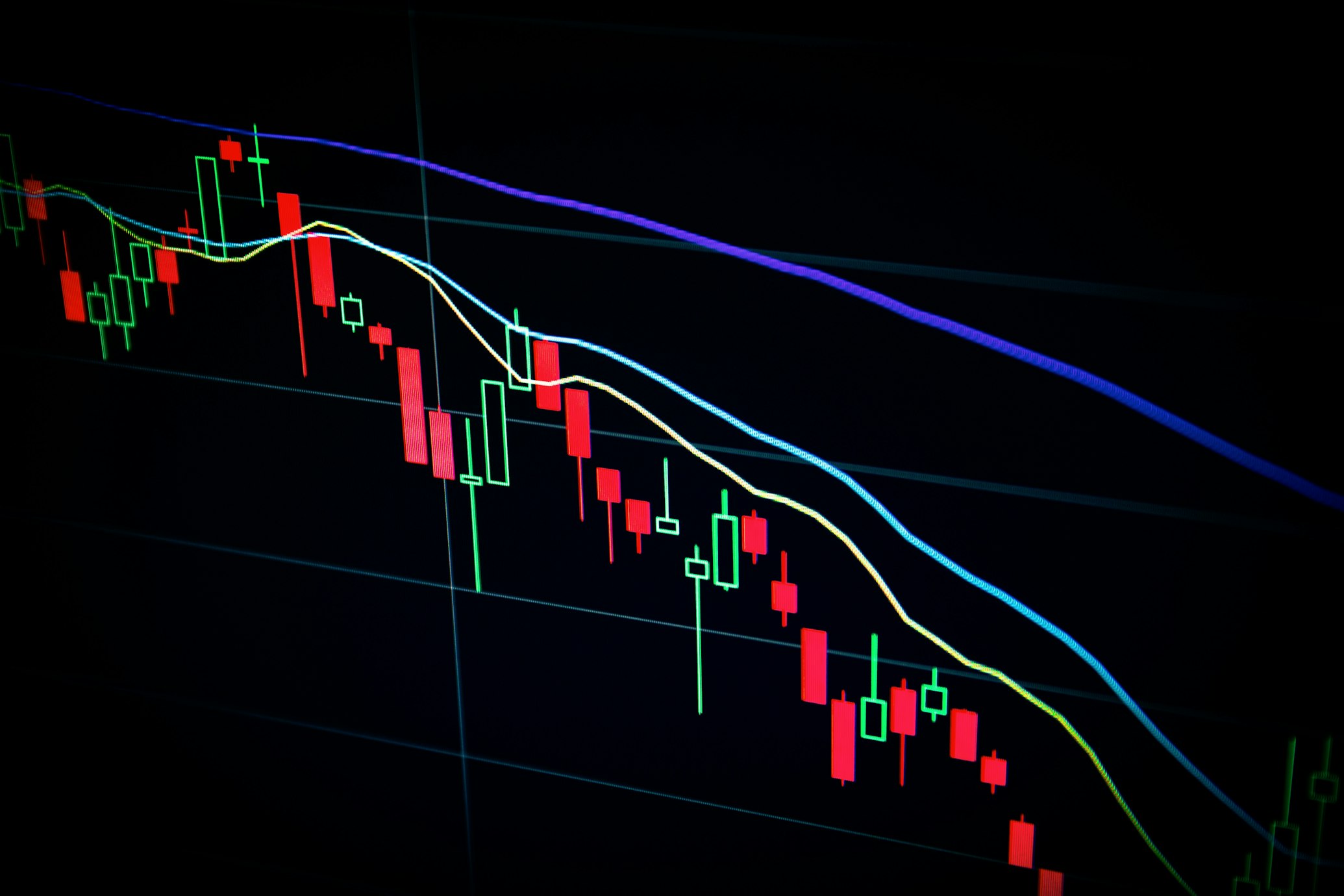
Master
Forex Day Trading
A comprehensive guide to navigating the world's largest financial market with discipline, strategy, and risk management
Market Size
Forex market trades over $6.6 trillion daily, offering unparalleled liquidity and opportunities
24/5 Market
Trade around the clock with sessions in Tokyo, London, and New York
Introduction to Forex Day Trading
What is Forex Day Trading?
Forex day trading involves buying and selling currency pairs within the same trading day, aiming to profit from small, rapid price movements. Traders close all positions before market close to avoid overnight exposure to market risk.
The focus is on capturing intraday volatility, leveraging technical analysis to identify short-term trends and potential entry and exit points in the world's largest and most liquid financial market.
Key Characteristics
- Same-day position closure
- Technical analysis focused
- High liquidity & volatility
- 24/5 market access
"The Forex market offers numerous opportunities for day traders, but also presents significant challenges that demand discipline and continuous learning."
— Core principle of successful trading
The Foundation: Mindset, Knowledge, and Preparation
Cultivating the Right Trading Mindset
Your psychological state is arguably the most critical component of successful day trading. The adage "plan the trade and trade the plan" cannot be overstated.
Discipline is Paramount
Develop a comprehensive trading plan and adhere to it without deviation
Emotional Control
Manage fear, greed, hope, and regret - your greatest adversaries
Patience
Sometimes the best trade is no trade at all
Common Psychological Pitfalls
Acquiring Comprehensive Market Knowledge
Currency Pairs
Focus on major pairs like EUR/USD, GBP/USD, USD/JPY for tighter spreads and predictable movements
Market Hours
Identify most active sessions: London-New York overlap offers highest liquidity and volatility
Key Terminology
Master essential terms: pips, lots, leverage, spread, margin
Demo Account Practice
The Gateway to Real Trading
Before committing real capital, extensive demo account practice is indispensable. Spend ample time testing strategies, getting comfortable with the platform, and managing emotions in a risk-free environment. [8]
What to Practice:
- • Test various order types
- • Experiment with indicators
- • Develop emotional control
- • Refine entry/exit timing
Goals:
- • Consistent methodology
- • Risk management application
- • Platform familiarity
- • Strategy validation
Developing a Comprehensive Trading Plan
Risk Management: The 1% Rule
Implementing strict risk management rules is critical for capital preservation and long-term success. The 1% rule suggests risking no more than 1% of total trading capital on any single trade.
Example Calculation
Why It Matters
- • Mitigates impact of losing streaks
- • Forces disciplined position sizing
- • Encourages favorable risk-reward trades
- • Prevents emotional "revenge trading"
- • Preserves capital for future opportunities
Position Sizing & Timeframes
Position Sizing
Calculate trade volume based on stop-loss distance and risk tolerance
Timeframe Selection
Use multi-timeframe analysis for context and execution
Currency Focus
Start with 1-2 major pairs and become an expert in their behavior
Choosing and Mastering Trading Strategies
Technical Analysis Foundation
Technical analysis is the primary tool for most Forex day traders. It involves studying historical price data, patterns, and indicators to forecast future movements.
Price Action
Study candlestick patterns, support/resistance, trend lines, and chart patterns
Indicators
Use few, well-understood indicators rather than overloading charts
Common Indicators
Common Day Trading Strategies
Scalping
Multiple small profits from tiny price movements
1-min, 5-min
Requires extreme discipline, fast execution, tight spreads, and high focus. Aim for numerous small gains throughout the day.
Trend Following
Trade in direction of established momentum
5-min, 15-min
Use indicators like moving averages to confirm trends and identify pullback entries. Exit before trend reversal.
Range Trading
Buy at support, sell at resistance in sideways markets
15-min, 30-min, 1-hr
Identify clear support and resistance boundaries. Effective in consolidating markets with defined ranges.
News-Based Trading
Trade around high-impact economic releases
Any timeframe
High volatility around news events. Requires quick interpretation and execution. Many experienced traders avoid due to unpredictable spikes.
"Many successful traders combine elements from different strategies to suit their trading style and market conditions."
— Adaptive trading approach
The Day Trading Process: Execution
Pre-Market Analysis Routine
A disciplined pre-market analysis routine is essential for preparing for the trading day ahead. This process involves several key steps to identify opportunities and understand market context.
Review Higher Timeframes
Identify overall trend, major support/resistance, and key chart patterns on daily and 4H charts
Check Economic Calendar
Note high-impact news releases and decide whether to trade or avoid these periods
Identify Setups
Scan preferred pairs for signals aligning with your strategy and entry criteria
Daily Preparation Checklist
Trade Execution & Risk-Reward
Entry Signals
Only enter when all criteria are met. Wait for confirmation, not anticipation.
Stop-Loss Placement
Set immediately upon entry. Never move it further away.
Take-Profit Targets
Define profit targets based on risk-reward ratio and technical levels.
Risk-Reward Ratio (RRR) Example
A favorable RRR means potential profit is significantly higher than potential loss. Aim for 1:2 or 1:3 ratios to maintain profitability even with 50% win rate.
Trade Management Techniques
- • Trailing stops: Protect profits as trade moves favorably
- • Partial profits: Take some off at interim levels
- • No overnight positions: Close all trades before session end
Post-Trade Analysis and Improvement
The Importance of Trade Journaling
Meticulous trade journaling is indispensable for continuous improvement and long-term success. A detailed record transforms trading from random events into a structured learning process.
Quantitative Data to Record
Qualitative Insights
Regular Review and Continuous Learning
Performance Analysis
Identify recurring mistakes, successful patterns, and areas needing refinement
Continuous Learning
Stay updated with market developments, tools, and analytical techniques
Community Engagement
Join reputable trading communities to share insights and learn from others
"The market itself is the ultimate teacher, and every trade offers a lesson."
— Embrace both successes and failures as learning opportunities
Key Principles from Experienced Traders
"Cut your losses short, let your winners run."
Fundamental rule: prevent small losses from becoming large ones by adhering to stop-losses; allow profitable trades to reach their full potential.
Implication: Avoid emotional attachment to losing trades; don't exit winning trades prematurely out of fear.
Focus on Process, Not Just Profit
A good trading process (adhering to your plan, managing risk) will eventually lead to good results. Chasing profits often leads to reckless trading.
Implication: Concentrate on executing your strategy correctly; profits are a byproduct of a sound process.
Simplicity
Don't overcomplicate your strategy with too many indicators or complex rules. A few well-understood tools are more effective.
Implication: Start with a simple, clear strategy; avoid "indicator overload" which can cause confusion.
Consistency
Execute your plan consistently, day in and day out. Small, consistent profits build up over time.
Implication: Develop discipline to follow your trading plan in all market conditions.
Adaptability
The market changes. Be prepared to adapt your strategies, but do so after careful analysis and testing, not impulsively.
Implication: Stay flexible but test changes systematically before applying them to live trading.
Understand Leverage
Leverage can amplify profits, but it also magnifies losses. Use it conservatively, especially as a beginner.
Implication: Start with low leverage; understand how it affects position size and risk.
Protect Your Capital
Your primary goal as a new trader is capital preservation. Profitability comes second.
Implication: Prioritize risk management above all else; focus on staying in the game long enough to learn.
Integrating Trading Simulations
The Role of Simulations in Learning
Trading simulations play a crucial role in the educational journey of a beginner Forex trader. They provide a risk-free environment to test strategies, familiarize with platforms, and learn emotional management without the pressure of losing real capital. [8]
Bridge Theory & Practice
Apply theoretical knowledge in practical scenarios
Emotional Management
Experience psychological aspects in controlled setting
Strategy Testing
Backtest trading plans with historical data
Simulation Benefits
Options for Trading Simulations
Broker Demo Accounts
The most straightforward and recommended approach. Demo accounts from reputable brokers offer access to real-time market data and full platform functionality using virtual money.
Recommended Approach
For this interactive book, we strongly recommend using demo accounts from reputable brokers as the primary simulation method. This provides the most authentic and accessible trading experience for beginners.
How to Get Started:
- • Research regulated brokers
- • Sign up for demo accounts
- • Practice with virtual funds
- • Test different strategies
What to Look For:
- • Real-time price feeds
- • Comprehensive charting tools
- • Order execution speed
- • Educational resources
Building a Simple JavaScript Simulation
While broker demo accounts are recommended, conceptual JavaScript simulations can be developed for specific educational purposes. These would manage virtual accounts, track positions, and calculate P&L based on simulated market movements. [11]
Core Components
Charting Integration
Libraries like JSCharting and AnyChart can provide interactive financial charts for visualizing simulated price data, offering features like candlestick patterns and technical indicators. [76]
Final Encouragement and Next Steps
Day Trading as a Marathon, Not a Sprint
Day trading Forex is a marathon, not a sprint. It requires dedication, continuous learning, and unwavering discipline. Success is not achieved overnight but through persistent effort and commitment to mastering the craft.
Long-Term Focus
Focus on skill development and consistent application of your trading plan
Resilience
Learn from setbacks and view them as valuable learning experiences
Capital Preservation
Your primary goal is protecting your trading account, especially in early stages
The Trading Journey
Foundation Building
Learn fundamentals and develop trading plan
Demo Practice
Test strategies in risk-free environment
Live Trading
Start small with proper risk management
Continuous Improvement
Analyze performance and refine strategies
Continuing Your Trading Education
Educational Resources
Read books and articles by experienced traders to deepen your understanding
Market Awareness
Follow reputable financial news sources to understand macroeconomic trends
