new

Get trending papers in your email inbox!

Subscribe

Daily Papers

byAK and the research community

Oct 29

MixLoRA: Enhancing Large Language Models Fine-Tuning with LoRA based Mixture of Experts

Large Language Models (LLMs) have showcased exceptional performance across a wide array of Natural Language Processing (NLP) tasks. Fine-tuning techniques are commonly utilized to tailor pre-trained models to specific applications. While methods like LoRA have effectively tackled GPU memory constraints during fine-tuning, their applicability is often restricted to limited performance, especially on multi-task. On the other hand, Mix-of-Expert (MoE) models, such as Mixtral 8x7B, demonstrate remarkable performance across multiple NLP tasks while maintaining a reduced parameter count. However, the resource requirements of these MoEs still challenging, particularly for consumer-grade GPUs only have limited VRAM. To address these challenge, we propose MixLoRA, an innovative approach aimed at constructing a resource-efficient sparse MoE model based on LoRA. MixLoRA inserts multiple LoRA-based experts within the feed-forward network block of a frozen pre-trained dense model through fine-tuning, employing a commonly used top-k router. Unlike other LoRA based MoE methods, MixLoRA enhances model performance by utilizing independently configurable attention-layer LoRA adapters, supporting the use of LoRA and its variants for the construction of experts, and applying auxiliary load balance loss to address the imbalance problem of the router. In experiments, MixLoRA achieves commendable performance across all evaluation metrics in both single-task and multi-task learning scenarios. Implemented within the m-LoRA framework, MixLoRA enables parallel fine-tuning of multiple mixture-of-experts models on a single 24GB consumer-grade GPU without quantization, thereby reducing GPU memory consumption by 41\% and latency during the training process by 17\%.

A Multi-Stage Fine-Tuning and Ensembling Strategy for Pancreatic Tumor Segmentation in Diagnostic and Therapeutic MRI

Automated segmentation of Pancreatic Ductal Adenocarcinoma (PDAC) from MRI is critical for clinical workflows but is hindered by poor tumor-tissue contrast and a scarcity of annotated data. This paper details our submission to the PANTHER challenge, addressing both diagnostic T1-weighted (Task 1) and therapeutic T2-weighted (Task 2) segmentation. Our approach is built upon the nnU-Net framework and leverages a deep, multi-stage cascaded pre-training strategy, starting from a general anatomical foundation model and sequentially fine-tuning on CT pancreatic lesion datasets and the target MRI modalities. Through extensive five-fold cross-validation, we systematically evaluated data augmentation schemes and training schedules. Our analysis revealed a critical trade-off, where aggressive data augmentation produced the highest volumetric accuracy, while default augmentations yielded superior boundary precision (achieving a state-of-the-art MASD of 5.46 mm and HD95 of 17.33 mm for Task 1). For our final submission, we exploited this finding by constructing custom, heterogeneous ensembles of specialist models, essentially creating a mix of experts. This metric-aware ensembling strategy proved highly effective, achieving a top cross-validation Tumor Dice score of 0.661 for Task 1 and 0.523 for Task 2. Our work presents a robust methodology for developing specialized, high-performance models in the context of limited data and complex medical imaging tasks (Team MIC-DKFZ).

  • 4 authors
·
Aug 28, 2025

Train Separately, Merge Together: Modular Post-Training with Mixture-of-Experts

Extending a fully post-trained language model with new domain capabilities is fundamentally limited by monolithic training paradigms: retraining from scratch is expensive and scales poorly, while continued training often degrades existing capabilities. We present BAR (Branch-Adapt-Route), which trains independent domain experts, each through its own mid-training, supervised finetuning, and reinforcement learning pipeline, and composes them via a Mixture-of-Experts architecture with lightweight router training. Unlike retraining approaches that mix all domains and require full reprocessing for any update (with cost scaling quadratically), BAR enables updating individual experts independently with linear cost scaling and no degradation to existing domains. At the 7B scale, with experts for math, code, tool use, and safety, BAR achieves an overall score of 49.1 (averaged across 7 evaluation categories), matching or exceeding re-training baselines (47.8 without mid-training, 50.5 with). We further show that modular training provides a structural advantage: by isolating each domain, it avoids the catastrophic forgetting that occurs when late-stage RL degrades capabilities from earlier training stages, while significantly reducing the cost and complexity of updating or adding a domain. Together, these results suggest that decoupled, expert-based training is a scalable alternative to monolithic retraining for extending language models.

  • 6 authors
·
Apr 19

BAM! Just Like That: Simple and Efficient Parameter Upcycling for Mixture of Experts

The Mixture of Experts (MoE) framework has become a popular architecture for large language models due to its superior performance over dense models. However, training MoEs from scratch in a large-scale regime is prohibitively expensive. Existing methods mitigate this by pre-training multiple dense expert models independently and using them to initialize an MoE. This is done by using experts' feed-forward network (FFN) to initialize the MoE's experts while merging other parameters. However, this method limits the reuse of dense model parameters to only the FFN layers, thereby constraining the advantages when "upcycling" these models into MoEs. We propose BAM (Branch-Attend-Mix), a simple yet effective method that addresses this shortcoming. BAM makes full use of specialized dense models by not only using their FFN to initialize the MoE layers but also leveraging experts' attention parameters fully by initializing them into a soft-variant of Mixture of Attention (MoA) layers. We explore two methods for upcycling attention parameters: 1) initializing separate attention experts from dense models including all attention parameters for the best model performance; and 2) sharing key and value parameters across all experts to facilitate for better inference efficiency. To further improve efficiency, we adopt a parallel attention transformer architecture to MoEs, which allows the attention experts and FFN experts to be computed concurrently. Our experiments on seed models ranging from 590 million to 2 billion parameters demonstrate that BAM surpasses baselines in both perplexity and downstream task performance, within the same computational and data constraints.

  • 11 authors
·
Aug 15, 2024 3

Feynman-Kac Correctors in Diffusion: Annealing, Guidance, and Product of Experts

While score-based generative models are the model of choice across diverse domains, there are limited tools available for controlling inference-time behavior in a principled manner, e.g. for composing multiple pretrained models. Existing classifier-free guidance methods use a simple heuristic to mix conditional and unconditional scores to approximately sample from conditional distributions. However, such methods do not approximate the intermediate distributions, necessitating additional 'corrector' steps. In this work, we provide an efficient and principled method for sampling from a sequence of annealed, geometric-averaged, or product distributions derived from pretrained score-based models. We derive a weighted simulation scheme which we call Feynman-Kac Correctors (FKCs) based on the celebrated Feynman-Kac formula by carefully accounting for terms in the appropriate partial differential equations (PDEs). To simulate these PDEs, we propose Sequential Monte Carlo (SMC) resampling algorithms that leverage inference-time scaling to improve sampling quality. We empirically demonstrate the utility of our methods by proposing amortized sampling via inference-time temperature annealing, improving multi-objective molecule generation using pretrained models, and improving classifier-free guidance for text-to-image generation. Our code is available at https://github.com/martaskrt/fkc-diffusion.

  • 9 authors
·
Mar 4, 2025 2

Relax Within, Balance Across: Geometry-Guided Load Balancing for Vision-Language Mixture-of-Experts

Vision-language MoE batches contain different numbers of image and text tokens. Image resolution, image count, tiling, and prompt length all change this token mix. We call the standard token-level Switch auxiliary loss Std-Aux. Std-Aux balances only the mixed load, so large image and text load errors can cancel at one mix. On our main model, the same trained router shows more than a fivefold change in load imbalance across image resolutions. We hold the image and text load profiles fixed and derive the exact load curve as the token mix varies. The image-text load gap controls sensitivity to the token mix. Physical preprocessing can also change the conditional profiles. The fixed-profile law excludes such changes. To design a remedy, we examine the router input structure. Image and text occupy distinct regions, while visual tokens group strongly by source image. The modality boundary motivates separate image and text terms. The image boundary motivates one equal-weight routing instance per image. ReBA, or Relax Within, Balance Across, implements both choices. Across four split backbones, ReBA lowers load on every reported benchmark input while keeping mean task accuracy comparable to Std-Aux. ReBA also lowers average load over the tested range and worst physical load under resolution and tiling shifts. Code is available at https://github.com/ZiangWu-77/ReBA.

MCR-DL: Mix-and-Match Communication Runtime for Deep Learning

In recent years, the training requirements of many state-of-the-art Deep Learning (DL) models have scaled beyond the compute and memory capabilities of a single processor, and necessitated distribution among processors. Training such massive models necessitates advanced parallelism strategies to maintain efficiency. However, such distributed DL parallelism strategies require a varied mixture of collective and point-to-point communication operations across a broad range of message sizes and scales. Examples of models using advanced parallelism strategies include Deep Learning Recommendation Models (DLRM) and Mixture-of-Experts (MoE). Communication libraries' performance varies wildly across different communication operations, scales, and message sizes. We propose MCR-DL: an extensible DL communication framework that supports all point-to-point and collective operations while enabling users to dynamically mix-and-match communication backends for a given operation without deadlocks. MCR-DL also comes packaged with a tuning suite for dynamically selecting the best communication backend for a given input tensor. We select DeepSpeed-MoE and DLRM as candidate DL models and demonstrate a 31% improvement in DS-MoE throughput on 256 V100 GPUs on the Lassen HPC system. Further, we achieve a 20% throughput improvement in a dense Megatron-DeepSpeed model and a 25% throughput improvement in DLRM on 32 A100 GPUs with the Theta-GPU HPC system.

  • 8 authors
·
Mar 14, 2023

X-LoRA: Mixture of Low-Rank Adapter Experts, a Flexible Framework for Large Language Models with Applications in Protein Mechanics and Design

We report a mixture of expert strategy to create fine-tuned large language models using a deep layer-wise token-level approach based on low-rank adaptation (LoRA). Starting with a set of pre-trained LoRA adapters, we propose a gating strategy that uses the hidden states to dynamically mix adapted layers, allowing the resulting X-LoRA model to draw upon different capabilities and create never-before-used deep layer-wise combinations of adaptations are established to solve specific tasks. The design is inspired by the biological principles of universality and diversity, where neural network building blocks are reused in different hierarchical manifestations. Hence, the X-LoRA model can be easily implemented for any existing large language model (LLM) without a need for modifications of the underlying structure. We develop a tailored X-LoRA model that offers scientific capabilities including forward/inverse analysis tasks and enhanced reasoning capability, focused on biomaterial analysis, protein mechanics and design. The impact of this work include access to readily expandable, adaptable and changeable models with strong domain knowledge and the capability to integrate across areas of knowledge. With the X-LoRA model featuring experts in biology, mathematics, reasoning, bio-inspired materials, mechanics and materials, chemistry, and protein mechanics we conduct a series of physics-focused case studies. We examine knowledge recall, protein mechanics forward/inverse tasks, protein design, and adversarial agentic modeling including ontological knowledge graphs. The model is capable not only of making quantitative predictions of nanomechanical properties of proteins, but also reasons over the results and correctly predicts likely mechanisms that explain distinct molecular behaviors.

  • 2 authors
·
Feb 11, 2024 1

Mix Data or Merge Models? Balancing the Helpfulness, Honesty, and Harmlessness of Large Language Model via Model Merging

Achieving balanced alignment of large language models (LLMs) in terms of Helpfulness, Honesty, and Harmlessness (3H optimization) constitutes a cornerstone of responsible AI, with existing methods like data mixture strategies facing limitations including reliance on expert knowledge and conflicting optimization signals. While model merging offers a promising alternative by integrating specialized models, its potential for 3H optimization remains underexplored. This paper establishes the first comprehensive benchmark for model merging in 3H-aligned LLMs, systematically evaluating 15 methods (12 training-free merging and 3 data mixture techniques) across 10 datasets associated with 5 annotation dimensions, 2 LLM families, and 2 training paradigms. Our analysis reveals three pivotal insights: (i) previously overlooked collaborative/conflicting relationships among 3H dimensions, (ii) the consistent superiority of model merging over data mixture approaches in balancing alignment trade-offs, and (iii) the critical role of parameter-level conflict resolution through redundant component pruning and outlier mitigation. Building on these findings, we propose R-TSVM, a Reweighting-enhanced Task Singular Vector Merging method that incorporates outlier-aware parameter weighting and sparsity-adaptive rank selection strategies adapted to the heavy-tailed parameter distribution and sparsity for LLMs, further improving LLM alignment across multiple evaluations. We release our trained models for further exploration.

  • 12 authors
·
Feb 8, 2025

CounselBench: A Large-Scale Expert Evaluation and Adversarial Benchmarking of Large Language Models in Mental Health Question Answering

Medical question answering (QA) benchmarks often focus on multiple-choice or fact-based tasks, leaving open-ended answers to real patient questions underexplored. This gap is particularly critical in mental health, where patient questions often mix symptoms, treatment concerns, and emotional needs, requiring answers that balance clinical caution with contextual sensitivity. We present CounselBench, a large-scale benchmark developed with 100 mental health professionals to evaluate and stress-test large language models (LLMs) in realistic help-seeking scenarios. The first component, CounselBench-EVAL, contains 2,000 expert evaluations of answers from GPT-4, LLaMA 3, Gemini, and online human therapists on patient questions from the public forum CounselChat. Each answer is rated across six clinically grounded dimensions, with span-level annotations and written rationales. Expert evaluations show that while LLMs achieve high scores on several dimensions, they also exhibit recurring issues, including unconstructive feedback, overgeneralization, and limited personalization or relevance. Responses were frequently flagged for safety risks, most notably unauthorized medical advice. Follow-up experiments show that LLM judges systematically overrate model responses and overlook safety concerns identified by human experts. To probe failure modes more directly, we construct CounselBench-Adv, an adversarial dataset of 120 expert-authored mental health questions designed to trigger specific model issues. Expert evaluation of 1,080 responses from nine LLMs reveals consistent, model-specific failure patterns. Together, CounselBench establishes a clinically grounded framework for benchmarking LLMs in mental health QA.

  • 6 authors
·
May 13

To Mix or To Merge: Toward Multi-Domain Reinforcement Learning for Large Language Models

Reinforcement Learning with Verifiable Rewards (RLVR) plays a key role in stimulating the explicit reasoning capability of Large Language Models (LLMs). We can achieve expert-level performance in some specific domains via RLVR, such as coding or math. When a general multi-domain expert-level model is required, we need to carefully consider the collaboration of RLVR across different domains. The current state-of-the-art models mainly employ two different training paradigms for multi-domain RLVR: mixed multi-task RLVR and separate RLVR followed by model merging. However, most of the works did not provide a detailed comparison and analysis about these paradigms. To this end, we choose multiple commonly used high-level tasks (e.g., math, coding, science, instruction following, and agent) as our target domains and design extensive qualitative and quantitative experiments using open-source datasets. We find the RLVR across domains exhibits few mutual interferences, and reasoning-intensive domains demonstrate mutually synergistic effects. Furthermore, we analyze the internal mechanisms of mutual gains from the perspectives of weight space geometry, information constraints, model prediction behavior and self-verification. This project is named as M2RL that means Mixed multi-task training or separate training followed by model Merging for Reinforcement Learning, and the homepage is at https://github.com/Mosi-AI/M2RL.

  • 6 authors
·
Feb 12 1

FlexMoRE: A Flexible Mixture of Rank-heterogeneous Experts for Efficient Federatedly-trained Large Language Models

Recent advances in mixture-of-experts architectures have shown that individual experts models can be trained federatedly, i.e., in isolation from other experts by using a common base model to facilitate coordination. However, we hypothesize that full-sized experts may not be necessary for all domains and that instead low-rank adapters may be sufficient. Here, we introduce FlexMoRE, a Flexible Mixture of Rank-heterogenous Experts, which may be either full-sized experts or adapters of a suitable rank. We systematically investigate the trade-off between expert rank and downstream task performance by evaluating 6 experts with ranks 2^0 to 2^{14} resulting in experiments covering 150 mixtures (96 with 2 experts, 54 with 7 experts) that are evaluated across 120 tasks. For our experiments, we build on FlexOlmo and turn its pre-trained experts into low-rank versions. Our regression analysis from expert rank to downstream task performance reveals that the best-performing rank is substantially higher for reasoning-heavy benchmarks than for knowledge-heavy benchmarks. These findings on rank sensitivity come with direct implications for memory efficiency: Using optimal ranks, FlexMoRE yields improved downstream task performance (average score 47.18) compared to the baseline FlexOlmo-style mixture of full-sized experts (average score 45.46) at less than one third the parameters (10.75B for FlexMoRE vs. 33.27B for FlexOlmo). All code will be made available.

A Survey on Mixture of Experts

Large language models (LLMs) have garnered unprecedented advancements across diverse fields, ranging from natural language processing to computer vision and beyond. The prowess of LLMs is underpinned by their substantial model size, extensive and diverse datasets, and the vast computational power harnessed during training, all of which contribute to the emergent abilities of LLMs (e.g., in-context learning) that are not present in small models. Within this context, the mixture of experts (MoE) has emerged as an effective method for substantially scaling up model capacity with minimal computation overhead, gaining significant attention from academia and industry. Despite its growing prevalence, there lacks a systematic and comprehensive review of the literature on MoE. This survey seeks to bridge that gap, serving as an essential resource for researchers delving into the intricacies of MoE. We first briefly introduce the structure of the MoE layer, followed by proposing a new taxonomy of MoE. Next, we overview the core designs for various MoE models including both algorithmic and systemic aspects, alongside collections of available open-source implementations, hyperparameter configurations and empirical evaluations. Furthermore, we delineate the multifaceted applications of MoE in practice, and outline some potential directions for future research. To facilitate ongoing updates and the sharing of cutting-edge developments in MoE research, we have established a resource repository accessible at https://github.com/withinmiaov/A-Survey-on-Mixture-of-Experts.

  • 6 authors
·
Jun 26, 2024

Harder Tasks Need More Experts: Dynamic Routing in MoE Models

In this paper, we introduce a novel dynamic expert selection framework for Mixture of Experts (MoE) models, aiming to enhance computational efficiency and model performance by adjusting the number of activated experts based on input difficulty. Unlike traditional MoE approaches that rely on fixed Top-K routing, which activates a predetermined number of experts regardless of the input's complexity, our method dynamically selects experts based on the confidence level in expert selection for each input. This allows for a more efficient utilization of computational resources, activating more experts for complex tasks requiring advanced reasoning and fewer for simpler tasks. Through extensive evaluations, our dynamic routing method demonstrates substantial improvements over conventional Top-2 routing across various benchmarks, achieving an average improvement of 0.7% with less than 90% activated parameters. Further analysis shows our model dispatches more experts to tasks requiring complex reasoning skills, like BBH, confirming its ability to dynamically allocate computational resources in alignment with the input's complexity. Our findings also highlight a variation in the number of experts needed across different layers of the transformer model, offering insights into the potential for designing heterogeneous MoE frameworks. The code and models are available at https://github.com/ZhenweiAn/Dynamic_MoE.

  • 11 authors
·
Mar 12, 2024

MoCaE: Mixture of Calibrated Experts Significantly Improves Object Detection

Combining the strengths of many existing predictors to obtain a Mixture of Experts which is superior to its individual components is an effective way to improve the performance without having to develop new architectures or train a model from scratch. However, surprisingly, we find that naïvely combining expert object detectors in a similar way to Deep Ensembles, can often lead to degraded performance. We identify that the primary cause of this issue is that the predictions of the experts do not match their performance, a term referred to as miscalibration. Consequently, the most confident detector dominates the final predictions, preventing the mixture from leveraging all the predictions from the experts appropriately. To address this, when constructing the Mixture of Experts, we propose to combine their predictions in a manner which reflects the individual performance of the experts; an objective we achieve by first calibrating the predictions before filtering and refining them. We term this approach the Mixture of Calibrated Experts and demonstrate its effectiveness through extensive experiments on 5 different detection tasks using a variety of detectors, showing that it: (i) improves object detectors on COCO and instance segmentation methods on LVIS by up to sim 2.5 AP; (ii) reaches state-of-the-art on COCO test-dev with 65.1 AP and on DOTA with 82.62 AP_{50}; (iii) outperforms single models consistently on recent detection tasks such as Open Vocabulary Object Detection.

  • 4 authors
·
Jan 31, 2024

HoME: Hierarchy of Multi-Gate Experts for Multi-Task Learning at Kuaishou

In this paper, we present the practical problems and the lessons learned at short-video services from Kuaishou. In industry, a widely-used multi-task framework is the Mixture-of-Experts (MoE) paradigm, which always introduces some shared and specific experts for each task and then uses gate networks to measure related experts' contributions. Although the MoE achieves remarkable improvements, we still observe three anomalies that seriously affect model performances in our iteration: (1) Expert Collapse: We found that experts' output distributions are significantly different, and some experts have over 90% zero activations with ReLU, making it hard for gate networks to assign fair weights to balance experts. (2) Expert Degradation: Ideally, the shared-expert aims to provide predictive information for all tasks simultaneously. Nevertheless, we find that some shared-experts are occupied by only one task, which indicates that shared-experts lost their ability but degenerated into some specific-experts. (3) Expert Underfitting: In our services, we have dozens of behavior tasks that need to be predicted, but we find that some data-sparse prediction tasks tend to ignore their specific-experts and assign large weights to shared-experts. The reason might be that the shared-experts can perceive more gradient updates and knowledge from dense tasks, while specific-experts easily fall into underfitting due to their sparse behaviors. Motivated by those observations, we propose HoME to achieve a simple, efficient and balanced MoE system for multi-task learning.

  • 5 authors
·
Aug 10, 2024

Unchosen Experts Can Contribute Too: Unleashing MoE Models' Power by Self-Contrast

Mixture-of-Experts (MoE) has emerged as a prominent architecture for scaling model size while maintaining computational efficiency. In MoE, each token in the input sequence activates a different subset of experts determined by a routing mechanism. However, the unchosen experts in MoE models do not contribute to the output, potentially leading to underutilization of the model's capacity. In this work, we first conduct exploratory studies to demonstrate that increasing the number of activated experts does not necessarily improve and can even degrade the output quality. Then, we show that output distributions from an MoE model using different routing strategies substantially differ, indicating that different experts do not always act synergistically. Motivated by these findings, we propose Self-Contrast Mixture-of-Experts (SCMoE), a training-free strategy that utilizes unchosen experts in a self-contrast manner during inference. In SCMoE, the next-token probabilities are determined by contrasting the outputs from strong and weak activation using the same MoE model. Our method is conceptually simple and computationally lightweight, as it incurs minimal latency compared to greedy decoding. Experiments on several benchmarks (GSM8K, StrategyQA, MBPP and HumanEval) demonstrate that SCMoE can consistently enhance Mixtral 8x7B's reasoning capability across various domains. For example, it improves the accuracy on GSM8K from 61.79 to 66.94. Moreover, combining SCMoE with self-consistency yields additional gains, increasing major@20 accuracy from 75.59 to 78.31.

  • 9 authors
·
May 23, 2024

Least-Loaded Expert Parallelism: Load Balancing An Imbalanced Mixture-of-Experts

Mixture-of-Experts (MoE) models are typically pre-trained with explicit load-balancing constraints to ensure statistically balanced expert routing. Despite this, we observe that even well-trained MoE models exhibit significantly imbalanced routing. This behavior is arguably natural-and even desirable - as imbalanced routing allows models to concentrate domain-specific knowledge within a subset of experts. Expert parallelism (EP) is designed to scale MoE models by distributing experts across multiple devices, but with a less-discussed assumption of balanced routing. Under extreme imbalance, EP can funnel a disproportionate number of tokens to a small number of experts, leading to compute- and memory-bound failures on overloaded devices during post-training or inference, where explicit load balancing is often inapplicable. We propose Least-Loaded Expert Parallelism (LLEP), a novel EP algorithm that dynamically reroutes excess tokens and associated expert parameters from overloaded devices to underutilized ones. This ensures that all devices complete their workloads within the minimum collective latency while respecting memory constraints. Across different model scales, LLEP achieves up to 5x speedup and 4x reduction in peak memory usage compared to standard EP. This enables faster and higher-throughput post-training and inference, with ~1.9x faster for gpt-oss-120b. We support our method with extensive theoretical analysis and comprehensive empirical evaluations, including ablation studies. These results illuminate key trade-offs and enable a principled framework for hardware-specific hyper-parameter tuning to achieve optimal performance.

EMO: Pretraining Mixture of Experts for Emergent Modularity

Large language models are typically deployed as monolithic systems, requiring the full model even when applications need only a narrow subset of capabilities, e.g., code, math, or domain-specific knowledge. Mixture-of-Experts (MoEs) seemingly offer a potential alternative by activating only a subset of experts per input, but in practice, restricting inference to a subset of experts for a given domain leads to severe performance degradation. This limits their practicality in memory-constrained settings, especially as models grow larger and sparser. We introduce EMO, an MoE designed for modularity-the independent use and composition of expert subsets-without requiring human-defined priors. Our key idea is to encourage tokens from similar domains to rely on similar experts. Since tokens within a document often share a domain, EMO restricts them to select experts from a shared pool, while allowing different documents to use different pools. This simple constraint enables coherent expert groupings to emerge during pretraining using document boundaries alone. We pretrain a 1B-active, 14B-total EMO on 1T tokens. As a full model, it matches standard MoE performance. Crucially, it enables selective expert use: retaining only 25% (12.5%) of experts incurs just a 1% (3%) absolute drop, whereas standard MoEs break under the same setting. We further find that expert subsets in EMO specialize at semantic levels (e.g., domains such as math or code), in contrast to the low-level syntactic specialization observed in standard MoEs. Altogether, our results demonstrate a path toward modular, memory-efficient deployment of large, sparse models and open new opportunities for composable architectures.

allenai Ai2
·
May 6 2

DeepSeekMoE: Towards Ultimate Expert Specialization in Mixture-of-Experts Language Models

In the era of large language models, Mixture-of-Experts (MoE) is a promising architecture for managing computational costs when scaling up model parameters. However, conventional MoE architectures like GShard, which activate the top-K out of N experts, face challenges in ensuring expert specialization, i.e. each expert acquires non-overlapping and focused knowledge. In response, we propose the DeepSeekMoE architecture towards ultimate expert specialization. It involves two principal strategies: (1) finely segmenting the experts into mN ones and activating mK from them, allowing for a more flexible combination of activated experts; (2) isolating K_s experts as shared ones, aiming at capturing common knowledge and mitigating redundancy in routed experts. Starting from a modest scale with 2B parameters, we demonstrate that DeepSeekMoE 2B achieves comparable performance with GShard 2.9B, which has 1.5 times the expert parameters and computation. In addition, DeepSeekMoE 2B nearly approaches the performance of its dense counterpart with the same number of total parameters, which set the upper bound of MoE models. Subsequently, we scale up DeepSeekMoE to 16B parameters and show that it achieves comparable performance with LLaMA2 7B, with only about 40% of computations. Further, our preliminary efforts to scale up DeepSeekMoE to 145B parameters consistently validate its substantial advantages over the GShard architecture, and show its performance comparable with DeepSeek 67B, using only 28.5% (maybe even 18.2%) of computations.

deepseek-ai DeepSeek
·
Jan 11, 2024 3

Towards Foundational Models for Dynamical System Reconstruction: Hierarchical Meta-Learning via Mixture of Experts

As foundational models reshape scientific discovery, a bottleneck persists in dynamical system reconstruction (DSR): the ability to learn across system hierarchies. Many meta-learning approaches have been applied successfully to single systems, but falter when confronted with sparse, loosely related datasets requiring multiple hierarchies to be learned. Mixture of Experts (MoE) offers a natural paradigm to address these challenges. Despite their potential, we demonstrate that naive MoEs are inadequate for the nuanced demands of hierarchical DSR, largely due to their gradient descent-based gating update mechanism which leads to slow updates and conflicted routing during training. To overcome this limitation, we introduce MixER: Mixture of Expert Reconstructors, a novel sparse top-1 MoE layer employing a custom gating update algorithm based on K-means and least squares. Extensive experiments validate MixER's capabilities, demonstrating efficient training and scalability to systems of up to ten parametric ordinary differential equations. However, our layer underperforms state-of-the-art meta-learners in high-data regimes, particularly when each expert is constrained to process only a fraction of a dataset composed of highly related data points. Further analysis with synthetic and neuroscientific time series suggests that the quality of the contextual representations generated by MixER is closely linked to the presence of hierarchical structure in the data.

  • 5 authors
·
Feb 7, 2025

A Comprehensive Survey of Mixture-of-Experts: Algorithms, Theory, and Applications

Artificial intelligence (AI) has achieved astonishing successes in many domains, especially with the recent breakthroughs in the development of foundational large models. These large models, leveraging their extensive training data, provide versatile solutions for a wide range of downstream tasks. However, as modern datasets become increasingly diverse and complex, the development of large AI models faces two major challenges: (1) the enormous consumption of computational resources and deployment difficulties, and (2) the difficulty in fitting heterogeneous and complex data, which limits the usability of the models. Mixture of Experts (MoE) models has recently attracted much attention in addressing these challenges, by dynamically selecting and activating the most relevant sub-models to process input data. It has been shown that MoEs can significantly improve model performance and efficiency with fewer resources, particularly excelling in handling large-scale, multimodal data. Given the tremendous potential MoE has demonstrated across various domains, it is urgent to provide a comprehensive summary of recent advancements of MoEs in many important fields. Existing surveys on MoE have their limitations, e.g., being outdated or lacking discussion on certain key areas, and we aim to address these gaps. In this paper, we first introduce the basic design of MoE, including gating functions, expert networks, routing mechanisms, training strategies, and system design. We then explore the algorithm design of MoE in important machine learning paradigms such as continual learning, meta-learning, multi-task learning, and reinforcement learning. Additionally, we summarize theoretical studies aimed at understanding MoE and review its applications in computer vision and natural language processing. Finally, we discuss promising future research directions.

  • 2 authors
·
Mar 10, 2025

Elastic MoE: Unlocking the Inference-Time Scalability of Mixture-of-Experts

Mixture-of-Experts (MoE) models typically fix the number of activated experts k at both training and inference. However, real-world deployments often face heterogeneous hardware, fluctuating workloads, and diverse quality-latency requirements, while training separate models for each scenario is costly. Considering that MoE models already operate with sparse activation, adjusting the number of activated experts offers a natural path to serving diverse budgets with a single model. Yet, we find that activating more experts k' (> k) at inference does not yield the expected gains. Instead, performance degrades rapidly after only a slight increase, a phenomenon we term the inference-time scaling wall. Further investigation reveals that this degradation stems from a lack of learned collaboration among experts. To address this, we introduce Elastic Mixture-of-Experts (EMoE), a novel training framework that enables MoE models to elastically vary the number of activated experts at inference. By simultaneously training experts to collaborate in diverse combinations and encouraging the router to make high-quality selections, EMoE ensures robust performance across inference budgets. Extensive experiments across four MoE architectures (7B--21B) and nine benchmarks show that EMoE significantly expands the effective scaling range to 2-3times the training-time k, while also achieving higher peak performance.

  • 11 authors
·
May 10

IntBMoE: Integrating Block-Level Conditioning into Expert Composition for Full-Participation Mixture-of-Experts

Mixture-of-Experts (MoE) scales capacity, but existing designs cannot set three quantities independently. For a single token, participation is how many experts contribute knowledge to its output, execution is how many are actually computed (compute cost), and materialization is how many expert-sized parameter sets must be built and stored (memory cost). Sparse routing keeps execution and materialization low, but shrinks participation: for each token, only a few experts contribute. Dense output-mixing restores full participation, but its execution grows with the number of experts. Parameter-merging keeps execution at one expert, but its materialization grows with the number of routing decisions. We propose IntBMoE, a block-conditioned MoE that decouples all three by pairing dense expert composition with sparse block execution. Its blocks come from a small learned codebook, one per entry. At each internal layer, a lightweight hypernetwork merges all expert bases in that layer's pool into one composed expert. Participation is full, because every composed expert draws on the entire pool. Execution stays sparse, because a router sends each token to only a few blocks. Materialization is bounded, because the codebook, not the input, fixes how many blocks exist. Dual-Path Residual Gating (DPRG) further couples two independently composed paths through multiplicative gating. Experiments on image classification show consistent gains over representative sparse and dense MoE baselines. Additional experiments on language modeling and sequential recommendation validate its generalization beyond vision. IntBMoE is fully deployed in AMap's generative recommendation system, serving hundreds of millions of users under a 60ms latency budget, with a 2.4% relative UVCTR gain in online A/B testing. Our code is available at https://github.com/AMAP-ML/DreamX-Rec/.

  • 5 authors
·
Sep 17 3

Efficiently Editing Mixture-of-Experts Models with Compressed Experts

Mixture-of-Experts (MoE) models have become a key approach for scaling large language models efficiently by activating only a subset of experts during training and inference. Typically, the number of activated experts presents a trade-off: fewer experts reduce computational costs, while more experts improve performance. Recent studies reveal that not all activated experts contribute equally to model performance, with some providing minimal utility, particularly when finetuning pretrained MoE models for specialized downstream tasks. The co-existence of significant and redundant parameters in experts provides us an opportunity to reduce the number of activated experts while maintaining model performance. In this work, we propose the concept of compressed experts, lightweight modules that serve as compact representations of full experts. Our approach preserves the most important experts while replacing other auxiliary activated experts with compressed experts. The reduction of active parameters significantly lowers inference costs while achieving comparable performance. Extensive experiments on models including Phi-MoE and OLMoE demonstrate that compressed experts recover over 90% of full expert performance across various tasks while reducing more than 30% active parameters and saving 20% in inference costs. This approach enables efficient deployment of MoE models in resource-constrained settings and facilitates scaling to larger models with manageable overhead. Our code is available at https://github.com/yifei-he/Compressed-Experts.

  • 4 authors
·
Mar 1, 2025

Union of Experts: Adapting Hierarchical Routing to Equivalently Decomposed Transformer

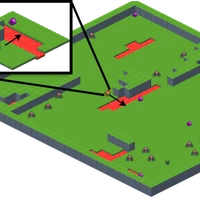
Mixture-of-Experts (MoE) enhances model performance while maintaining computational efficiency, making it well-suited for large-scale applications. However, expert in exist MoE paradigm works as an individual, thereby lacking high-quality expert interactions. Moreover, they have not been effectively extended to attention block, which constrains further efficiency improvements. To tackle these issues, we propose Union-of-Experts (UoE), which decomposes transformer into an equitant group of experts, and then implement dynamic routing on input data and experts. Our approach advances MoE design with three key innovations: (1) We conducted equitant expert decomposition on both MLP blocks and attention blocks based on matrix partition in tensor parallelism. (2) We developed two routing paradigms: patch wise data selection and expert selection, to apply routing across different levels. (3) We design the architecture of UoE model, including Selective Multi-Head Attention (SMHA) and Union-of-MLP-Experts (UoME). (4) We develop parallel implementation of UoE's routing and computation operation, and optimize efficiency based on the hardware processing analysis. The experiments demonstrate that the model employed with UoE surpass Full Attention, state-of-art MoEs and efficient transformers in several tasks across image and natural language domains. The source codes are available at https://github.com/YujiaoYang-work/UoE.
  • 3 authors
·
Mar 4, 2025 4

Domain-Specific Pruning of Large Mixture-of-Experts Models with Few-shot Demonstrations

Mixture-of-Experts (MoE) models achieve a favorable trade-off between performance and inference efficiency by activating only a subset of experts. However, the memory overhead of storing all experts remains a major limitation, especially in large-scale MoE models such as DeepSeek-R1(671B). In this study, we investigate domain specialization and expert redundancy in large-scale MoE models and uncover a consistent behavior we term few-shot expert localization, with only a few in-domain demonstrations, the model consistently activates a sparse and stable subset of experts on tasks within the same domain. Building on this observation, we propose a simple yet effective pruning framework, EASY-EP, that leverages a few domain-specific demonstrations to identify and retain only the most relevant experts. EASY-EP comprises two key components: output-aware expert importance assessment and expert-level token contribution estimation. The former evaluates the importance of each expert for the current token by considering the gating scores and L2 norm of the outputs of activated experts, while the latter assesses the contribution of tokens based on representation similarities before and after routed experts. Experiments on DeepSeek-R1 and DeepSeek-V3-0324 show that our method can achieve comparable performances and 2.99times throughput under the same memory budget with full model with only half the experts.

  • 7 authors
·
Apr 9, 2025

Pangu Pro MoE: Mixture of Grouped Experts for Efficient Sparsity

The surgence of Mixture of Experts (MoE) in Large Language Models promises a small price of execution cost for a much larger model parameter count and learning capacity, because only a small fraction of parameters are activated for each input token. However, it is commonly observed that some experts are activated far more often than others, leading to system inefficiency when running the experts on different devices in parallel. Therefore, we introduce Mixture of Grouped Experts (MoGE), which groups the experts during selection and balances the expert workload better than MoE in nature. It constrains tokens to activate an equal number of experts within each predefined expert group. When a model execution is distributed on multiple devices, this architectural design ensures a balanced computational load across devices, significantly enhancing throughput, particularly for the inference phase. Further, we build Pangu Pro MoE on Ascend NPUs, a sparse model based on MoGE with 72 billion total parameters, 16 billion of which are activated for each token. The configuration of Pangu Pro MoE is optimized for Ascend 300I Duo and 800I A2 through extensive system simulation studies. Our experiments indicate that MoGE indeed leads to better expert load balancing and more efficient execution for both model training and inference on Ascend NPUs. The inference performance of Pangu Pro MoE achieves 1148 tokens/s per card and can be further improved to 1528 tokens/s per card by speculative acceleration, outperforming comparable 32B and 72B Dense models. Furthermore, we achieve an excellent cost-to-performance ratio for model inference on Ascend 300I Duo. Our studies show that Ascend NPUs are capable of training Pangu Pro MoE with massive parallelization to make it a leading model within the sub-100B total parameter class, outperforming prominent open-source models like GLM-Z1-32B and Qwen3-32B.

  • 22 authors
·
May 27, 2025 2

Theory on Mixture-of-Experts in Continual Learning

Continual learning (CL) has garnered significant attention because of its ability to adapt to new tasks that arrive over time. Catastrophic forgetting (of old tasks) has been identified as a major issue in CL, as the model adapts to new tasks. The Mixture-of-Experts (MoE) model has recently been shown to effectively mitigate catastrophic forgetting in CL, by employing a gating network to sparsify and distribute diverse tasks among multiple experts. However, there is a lack of theoretical analysis of MoE and its impact on the learning performance in CL. This paper provides the first theoretical results to characterize the impact of MoE in CL via the lens of overparameterized linear regression tasks. We establish the benefit of MoE over a single expert by proving that the MoE model can diversify its experts to specialize in different tasks, while its router learns to select the right expert for each task and balance the loads across all experts. Our study further suggests an intriguing fact that the MoE in CL needs to terminate the update of the gating network after sufficient training rounds to attain system convergence, which is not needed in the existing MoE studies that do not consider the continual task arrival. Furthermore, we provide explicit expressions for the expected forgetting and overall generalization error to characterize the benefit of MoE in the learning performance in CL. Interestingly, adding more experts requires additional rounds before convergence, which may not enhance the learning performance. Finally, we conduct experiments on both synthetic and real datasets to extend these insights from linear models to deep neural networks (DNNs), which also shed light on the practical algorithm design for MoE in CL.

  • 5 authors
·
Jun 24, 2024

Merge, Then Compress: Demystify Efficient SMoE with Hints from Its Routing Policy

Sparsely activated Mixture-of-Experts (SMoE) has shown promise to scale up the learning capacity of neural networks, however, they have issues like (a) High Memory Usage, due to duplication of the network layers into multiple copies as experts; and (b) Redundancy in Experts, as common learning-based routing policies suffer from representational collapse. Therefore, vanilla SMoE models are memory inefficient and non-scalable, especially for resource-constrained downstream scenarios. In this paper, we ask: Can we craft a compact SMoE model by consolidating expert information? What is the best recipe to merge multiple experts into fewer but more knowledgeable experts? Our pilot investigation reveals that conventional model merging methods fail to be effective in such expert merging for SMoE. The potential reasons are: (1) redundant information overshadows critical experts; (2) appropriate neuron permutation for each expert is missing to bring all of them in alignment. To address this, we propose M-SMoE, which leverages routing statistics to guide expert merging. Specifically, it starts with neuron permutation alignment for experts; then, dominant experts and their "group members" are formed; lastly, every expert group is merged into a single expert by utilizing each expert's activation frequency as their weight for merging, thus diminishing the impact of insignificant experts. Moreover, we observed that our proposed merging promotes a low dimensionality in the merged expert's weight space, naturally paving the way for additional compression. Hence, our final method, MC-SMoE (i.e., Merge, then Compress SMoE), further decomposes the merged experts into low-rank and structural sparse alternatives. Extensive experiments across 8 benchmarks validate the effectiveness of MC-SMoE. For instance, our MC-SMoE achieves up to 80% memory and a 20% FLOPs reduction, with virtually no loss in performance.

  • 7 authors
·
Oct 2, 2023 1

Sub-MoE: Efficient Mixture-of-Expert LLMs Compression via Subspace Expert Merging

Mixture of Experts (MoE) LLMs face significant obstacles due to their massive parameter scale, which imposes memory, storage, and deployment challenges. Although recent expert merging methods promise greater efficiency by consolidating multiple experts, they are fundamentally hindered by parameter conflicts arising from expert specialization. In this paper, we present Sub-MoE, a novel MoE compression framework via Subspace Expert Merging. Our key insight is to perform joint Singular Value Decomposition (SVD) on concatenated expert weights, reducing conflicting parameters by extracting shared U-matrices while enabling effective merging of the expert-specific V components. Specifically, Sub-MoE consists of two innovative phases: (1) Adaptive Expert Clustering, which groups functionally coherent experts via K-means clustering based on cosine similarity of expert outputs; and (2) Subspace Expert Merging, which first enforces Experts Union Decomposition to derive the shared U-matrix across experts in the same group, then pursues frequency-based merging for individual V-matrices, and finalizes expert reconstruction using the merged V-matrix. In this way, we align and fuse experts in a shared subspace, and can be extended with intra-expert compression for further inference optimization. Extensive experiments on Mixtral, DeepSeek, and Qwen-1.5|3 MoE LLMs demonstrate that our Sub-MoE significantly outperforms existing expert pruning and merging methods. Notably, our Sub-MoE maintains 96\%|86\% of original performance with 25\%|50\% expert reduction on Mixtral-8x7B in zero-shot benchmarks. Code will be released at https://github.com/lliai/MoERazor.

  • 7 authors
·
Jun 29, 2025

AdaMoE: Token-Adaptive Routing with Null Experts for Mixture-of-Experts Language Models

Mixture of experts (MoE) has become the standard for constructing production-level large language models (LLMs) due to its promise to boost model capacity without causing significant overheads. Nevertheless, existing MoE methods usually enforce a constant top-k routing for all tokens, which is arguably restrictive because various tokens (e.g., "<EOS>" vs. "apple") may require various numbers of experts for feature abstraction. Lifting such a constraint can help make the most of limited resources and unleash the potential of the model for downstream tasks. In this sense, we introduce AdaMoE to realize token-adaptive routing for MoE, where different tokens are permitted to select a various number of experts. AdaMoE makes minimal modifications to the vanilla MoE with top-k routing -- it simply introduces a fixed number of null experts, which do not consume any FLOPs, to the expert set and increases the value of k. AdaMoE does not force each token to occupy a fixed number of null experts but ensures the average usage of the null experts with a load-balancing loss, leading to an adaptive number of null/true experts used by each token. AdaMoE exhibits a strong resemblance to MoEs with expert choice routing while allowing for trivial auto-regressive modeling. AdaMoE is easy to implement and can be effectively applied to pre-trained (MoE-)LLMs. Extensive studies show that AdaMoE can reduce average expert load (FLOPs) while achieving superior performance. For example, on the ARC-C dataset, applying our method to fine-tuning Mixtral-8x7B can reduce FLOPs by 14.5% while increasing accuracy by 1.69%.

  • 5 authors
·
Jun 19, 2024

Meta-DMoE: Adapting to Domain Shift by Meta-Distillation from Mixture-of-Experts

In this paper, we tackle the problem of domain shift. Most existing methods perform training on multiple source domains using a single model, and the same trained model is used on all unseen target domains. Such solutions are sub-optimal as each target domain exhibits its own specialty, which is not adapted. Furthermore, expecting single-model training to learn extensive knowledge from multiple source domains is counterintuitive. The model is more biased toward learning only domain-invariant features and may result in negative knowledge transfer. In this work, we propose a novel framework for unsupervised test-time adaptation, which is formulated as a knowledge distillation process to address domain shift. Specifically, we incorporate Mixture-of-Experts (MoE) as teachers, where each expert is separately trained on different source domains to maximize their specialty. Given a test-time target domain, a small set of unlabeled data is sampled to query the knowledge from MoE. As the source domains are correlated to the target domains, a transformer-based aggregator then combines the domain knowledge by examining the interconnection among them. The output is treated as a supervision signal to adapt a student prediction network toward the target domain. We further employ meta-learning to enforce the aggregator to distill positive knowledge and the student network to achieve fast adaptation. Extensive experiments demonstrate that the proposed method outperforms the state-of-the-art and validates the effectiveness of each proposed component. Our code is available at https://github.com/n3il666/Meta-DMoE.

  • 6 authors
·
Oct 7, 2022

Dynamic-DINO: Fine-Grained Mixture of Experts Tuning for Real-time Open-Vocabulary Object Detection

The Mixture of Experts (MoE) architecture has excelled in Large Vision-Language Models (LVLMs), yet its potential in real-time open-vocabulary object detectors, which also leverage large-scale vision-language datasets but smaller models, remains unexplored. This work investigates this domain, revealing intriguing insights. In the shallow layers, experts tend to cooperate with diverse peers to expand the search space. While in the deeper layers, fixed collaborative structures emerge, where each expert maintains 2-3 fixed partners and distinct expert combinations are specialized in processing specific patterns. Concretely, we propose Dynamic-DINO, which extends Grounding DINO 1.5 Edge from a dense model to a dynamic inference framework via an efficient MoE-Tuning strategy. Additionally, we design a granularity decomposition mechanism to decompose the Feed-Forward Network (FFN) of base model into multiple smaller expert networks, expanding the subnet search space. To prevent performance degradation at the start of fine-tuning, we further propose a pre-trained weight allocation strategy for the experts, coupled with a specific router initialization. During inference, only the input-relevant experts are activated to form a compact subnet. Experiments show that, pretrained with merely 1.56M open-source data, Dynamic-DINO outperforms Grounding DINO 1.5 Edge, pretrained on the private Grounding20M dataset.

  • 8 authors
·
Jul 23, 2025

Chain-of-Experts: Unlocking the Communication Power of Mixture-of-Experts Models

We propose Chain-of-Experts (CoE), a new Mixture-of-Experts (MoE) architecture that introduces sequential expert communication within each layer. Unlike traditional MoE models, where experts operate independently in parallel, CoE processes tokens iteratively across a chain of experts inside a layer. To support dynamic expert selection across iterations, CoE employs a dedicated router at each iteration step within a layer. This design allows tokens to re-evaluate and select different experts during each iteration, rather than being statically assigned. As a result, CoE introduces a flexible routing mechanism that increases the diversity of expert combinations and enriches the model's representational capacity. CoE demonstrates improved performance under fixed compute: on math reasoning tasks, it reduces validation loss from 1.20 to 1.12 compared to a standard MoE. Beyond performance, CoE offers a new scaling axis: depth through expert iteration, which complements conventional width/depth scaling. For example, using 2x iterations matches the performance of 3x expert selections (in width), while reducing memory usage by 17.6-42% relative to other scaling strategies. Our analysis reveals that CoE's benefits stem from its iterative residual structure and enhanced expert specialization empowered by iterative routing, which together unlock more expressive representations. Code is available at https://github.com/ZihanWang314/coe.

  • 10 authors
·
Jun 22, 2025 1

Sigma-Moe-Tiny Technical Report

Mixture-of-Experts (MoE) has emerged as a promising paradigm for foundation models due to its efficient and powerful scalability. In this work, we present Sigma-MoE-Tiny, an MoE language model that achieves the highest sparsity compared to existing open-source models. Sigma-MoE-Tiny employs fine-grained expert segmentation with up to 96 experts per layer, while activating only one expert for each token, resulting in 20B total parameters with just 0.5B activated. The major challenge introduced by such extreme sparsity lies in expert load balancing. We find that the widely-used load balancing loss tends to become ineffective in the lower layers under this setting. To address this issue, we propose a progressive sparsification schedule aiming to balance expert utilization and training stability. Sigma-MoE-Tiny is pre-trained on a diverse and high-quality corpus, followed by post-training to further unlock its capabilities. The entire training process remains remarkably stable, with no occurrence of irrecoverable loss spikes. Comprehensive evaluations reveal that, despite activating only 0.5B parameters, Sigma-MoE-Tiny achieves top-tier performance among counterparts of comparable or significantly larger scale. In addition, we provide an in-depth discussion of load balancing in highly sparse MoE models, offering insights for advancing sparsity in future MoE architectures. Project page: https://qghuxmu.github.io/Sigma-MoE-Tiny Code: https://github.com/microsoft/ltp-megatron-lm

microsoft Microsoft
·
Dec 18, 2025

Efficient Deweather Mixture-of-Experts with Uncertainty-aware Feature-wise Linear Modulation

The Mixture-of-Experts (MoE) approach has demonstrated outstanding scalability in multi-task learning including low-level upstream tasks such as concurrent removal of multiple adverse weather effects. However, the conventional MoE architecture with parallel Feed Forward Network (FFN) experts leads to significant parameter and computational overheads that hinder its efficient deployment. In addition, the naive MoE linear router is suboptimal in assigning task-specific features to multiple experts which limits its further scalability. In this work, we propose an efficient MoE architecture with weight sharing across the experts. Inspired by the idea of linear feature modulation (FM), our architecture implicitly instantiates multiple experts via learnable activation modulations on a single shared expert block. The proposed Feature Modulated Expert (FME) serves as a building block for the novel Mixture-of-Feature-Modulation-Experts (MoFME) architecture, which can scale up the number of experts with low overhead. We further propose an Uncertainty-aware Router (UaR) to assign task-specific features to different FM modules with well-calibrated weights. This enables MoFME to effectively learn diverse expert functions for multiple tasks. The conducted experiments on the multi-deweather task show that our MoFME outperforms the baselines in the image restoration quality by 0.1-0.2 dB and achieves SOTA-compatible performance while saving more than 72% of parameters and 39% inference time over the conventional MoE counterpart. Experiments on the downstream segmentation and classification tasks further demonstrate the generalizability of MoFME to real open-world applications.

  • 11 authors
·
Dec 27, 2023

SEAL: Reinforcing Global Safety in Mixture-of-Experts through Shared Expert ALignment

Mixture-of-Experts (MoE) is a scaling architecture for large language models that activates only a small subset of expert modules per token, enabling massive parameter growth with nearly constant computation. Recent Hybrid MoE architecture adds shared experts to capture consistently useful representations, further improving stability and generalization. MoE now powers many flagship open-source and commercial models, yet remains vulnerable to adversarial attacks. Specifically, sparse routing introduces a structural vulnerability: MoE safety hinges on which experts are activated, and adversaries can subvert this selection through jailbreak prompts, malicious fine-tuning, and weight-level pruning of safety-critical neurons. Existing defenses primarily focus on hardening the router, but an adversary may still manipulate or bypass the routing trajectory due to the routing process's nondeterministic nature, thereby collapsing the defense. To cope with this problem, we first identify theoretically and empirically that shared expert, an always-activated component containing a small proportion of safety-critical neurons, can overcome the uncertainty of sparsely activated routing path and serve as a router-independent anchor to enhance global safety alignment. Based on this insight, we propose SEAL, a training-time parameter-efficient defense that produces a plug-and-play adapter attached to shared expert, and SEAL++, a variant that adds an orthogonal constraint preserving pre-existing safety subspaces during training. We evaluate SEAL and SEAL++ across six attack scenarios that combine three adversarial inputs (harmful prompting, jailbreak, malicious fine-tuning) with and without neuron pruning. SEAL reduces attack success rate (ASR) by up to 60\%, at a capability cost of at most 1.4\% on a five-benchmark average. Additionally, SEAL can seamlessly integrate with router-level ......

  • 6 authors
·
Sep 1

RAZOR: Pruning Replaceable Experts in LLMs

Mixture-of-experts (MoE) models activate few experts per token but store the full expert pool. Expert pruning reduces this storage burden; at a fixed pruning budget, the goal is to preserve the original model's output distribution as closely as possible. Yet an expert's usage or contribution magnitude does not by itself determine the damage caused by its removal. What matters is whether the surviving computation can replace its function. We introduce RAZOR, a training-free expert pruning method that scores functional replaceability using consensus residuals: deviations of expert outputs from the original weighted mixture. An exact single-deletion identity at a fixed layer input accounts for survivor renormalization and router-selected refill, providing local scores aggregated over calibration tokens for budgeted pruning without gradients or recovery training. On GLM-4.7-Flash, Qwen3.6-35B-A3B, DeepSeek-V4-Flash-0731, and Hy3 at 25\% and 50\% expert removal, RAZOR achieves the highest nine-task macro average among the evaluated pruning methods in all eight settings. On the two backbones with matched REAP benchmark runs, it exceeds REAP by 2.12--5.59 points and wins all 36 paired task comparisons. It also lowers reverse KL relative to REAP in all four matched GLM-4.7-Flash and Qwen3.6-35B-A3B model--budget settings. Analysis of responses generated by Qwen3.6-35B-A3B nevertheless reveals changes in diversity, formatting, and termination, underscoring that task retention and predictive fidelity do not ensure generation stability.

  • 2 authors
·
Sep 23

Is MoE Routing a Huffman Code? Discovering the Frequency-Diversity Law in Chain-of-Thought

Mixture-of-Experts architectures have revolutionized scaling, yet the underlying logic of their routing remains a black box. In this paper, we uncover a fundamental governing principle: MoE routing is not merely selection, but a manifestation of Huffman Coding. We introduce the Frequency-Diversity Law, revealing that state-of-the-art models, such as Phi-3.5-MoE and Gemma-4-27B-A4B, spontaneously act as information-theoretic engines. These models allocate sparse expert resources for common tokens while invoking high-diversity expert committees for rare, complex tasks found in chain-of-thought trajectories. However, we identify a critical redundancy trap in Qwen3.5-35B-A3B: when effective sparsity (k/E_eff) is sufficiently low, load-balancing inadvertently imposes functional redundancy, masking the underlying Huffman efficiency signal. To bridge this gap, we propose Subset Difference Pruning, a surgical strategy to eliminate functional duplicates. We demonstrate that pruning does not degrade reasoning; instead, it unleashes the model's latent Huffman efficiency, forcing the logic to collapse into streamlined, high-density paths. Our findings suggest that the next generation of MoEs should move beyond forced load-balancing toward Minimum Description Length (MDL) optimality, assigning shorter expert-routing codes to high-frequency information and longer, more diverse codes to low-frequency information, thereby transforming routing from a heuristic into a principled compression engine.

  • 3 authors
·
May 7

Beyond Geometric Complementarity: Coherent Overlap in Sparse Mixture-of-Experts Routing

Sparse mixture-of-experts (MoE) language models route each token to multiple experts, suggesting a geometric account of their benefit: co-selected experts should contribute distinct representation directions. Existing evidence often conflates route coherence, candidate quality, and candidate-by-context interaction. We distinguish these quantities using an Expert Subspace Separation Index (ESSI), matched-route residuals, and a prefix-controlled 2times2 factorial; frozen-route interventions and a controlled Top-k study assess functional value. Three paired contrasts organize the findings. First, across six MoE architectures, expert subspaces overlap substantially, yet actual routes explain token representations better than matched alternatives. Second, across the 39 factorial cells in OLMoE, Mixtral, and DeepSeek, the selected candidate explains more of the residual representation than the strongest unselected rival in every cell, yet the actual prefix narrows this advantage throughout: all interactions are negative, and every 95% confidence interval lies below zero. Third, this geometric narrowing does not imply functional redundancy: adding later experts improves next-token prediction in 24 of 39 frozen-route comparisons, while the other 15 estimates are inconclusive; a controlled training study also favors Top-2 over Top-1 in all three seeds. We call this joint pattern coherent overlap: routing selects token-relevant experts from a shared geometric neighborhood, while useful multi-expert computation persists without disjoint linear coverage. Separating these quantities clarifies why geometric similarity alone cannot determine redundancy or pruning value.

  • 3 authors
·
Jul 29 2

A Mixture of Expert Approach for Low-Cost Customization of Deep Neural Networks

The ability to customize a trained Deep Neural Network (DNN) locally using user-specific data may greatly enhance user experiences, reduce development costs, and protect user's privacy. In this work, we propose to incorporate a novel Mixture of Experts (MOE) approach to accomplish this goal. This architecture comprises of a Global Expert (GE), a Local Expert (LE) and a Gating Network (GN). The GE is a trained DNN developed on a large training dataset representative of many potential users. After deployment on an embedded edge device, GE will be subject to customized, user-specific data (e.g., accent in speech) and its performance may suffer. This problem may be alleviated by training a local DNN (the local expert, LE) on a small size customized training data to correct the errors made by GE. A gating network then will be trained to determine whether an incoming data should be handled by GE or LE. Since the customized dataset is in general very small, the cost of training LE and GN would be much lower than that of re-training of GE. The training of LE and GN thus can be performed at local device, properly protecting the privacy of customized training data. In this work, we developed a prototype MOE architecture for handwritten alphanumeric character recognition task. We use EMNIST as the generic dataset, LeNet5 as GE, and handwritings of 10 users as the customized dataset. We show that with the LE and GN, the classification accuracy is significantly enhanced over the customized dataset with almost no degradation of accuracy over the generic dataset. In terms of energy and network size, the overhead of LE and GN is around 2.5% compared to those of GE.

  • 3 authors
·
Oct 31, 2018

D^{2}MoE: Dual Routing and Dynamic Scheduling for Efficient On-Device MoE-based LLM Serving

The mixture of experts (MoE) model is a sparse variant of large language models (LLMs), designed to hold a better balance between intelligent capability and computational overhead. Despite its benefits, MoE is still too expensive to deploy on resource-constrained edge devices, especially with the demands of on-device inference services. Recent research efforts often apply model compression techniques, such as quantization, pruning and merging, to restrict MoE complexity. Unfortunately, due to their predefined static model optimization strategies, they cannot always achieve the desired quality-overhead trade-off when handling multiple requests, finally degrading the on-device quality of service. These limitations motivate us to propose the D^2MoE, an algorithm-system co-design framework that matches diverse task requirements by dynamically allocating the most proper bit-width to each expert. Specifically, inspired by the nested structure of matryoshka dolls, we propose the matryoshka weight quantization (MWQ) to progressively compress expert weights in a bit-nested manner and reduce the required runtime memory. On top of it, we further optimize the I/O-computation pipeline and design a heuristic scheduling algorithm following our hottest-expert-bit-first (HEBF) principle, which maximizes the expert parallelism between I/O and computation queue under constrained memory budgets, thus significantly reducing the idle temporal bubbles waiting for the experts to load. Evaluations on real edge devices show that D^2MoE improves the overall inference throughput by up to 1.39times and reduces the peak memory footprint by up to 53% over the latest on-device inference frameworks, while still preserving comparable serving accuracy as its INT8 counterparts.

  • 4 authors
·
Apr 17, 2025

Ban&Pick: Ehancing Performance and Efficiency of MoE-LLMs via Smarter Routing

Sparse Mixture-of-Experts (MoE) has become a key architecture for scaling large language models (LLMs) efficiently. Recent fine-grained MoE designs introduce hundreds of experts per layer, with multiple experts activated per token, enabling stronger specialization. However, during pre-training, routers are optimized mainly for stability and robustness: they converge prematurely and enforce balanced usage, limiting the full potential of model performance and efficiency at inference. In this work, we uncover two overlooked issues: (i) a few highly influential experts are underutilized due to premature and balanced routing decisions; and (ii) enforcing a fixed number of active experts per token introduces substantial redundancy. Instead of retraining models or redesigning MoE architectures, we introduce Ban&Pick, a post-training, plug-and-play strategy for smarter routing. Pick discovers and reinforces key experts-a small group with outsized impact on performance-leading to notable accuracy gains across domains. Ban further dynamically prunes redundant experts based on layer and token sensitivity, delivering faster inference with minimal accuracy loss. Experiments on fine-grained MoE-LLMs (DeepSeek, Qwen3) across math, code, and general reasoning benchmarks demonstrate that Ban\&Pick delivers free performance gains and inference acceleration without retraining or architectural changes. For instance, on Qwen3-30B-A3B, it improves accuracy from 80.67 to 84.66 on AIME2024 and from 65.66 to 68.18 on GPQA-Diamond, while accelerating inference by 1.25x under the vLLM.

  • 6 authors
·
Sep 29, 2025

Unveiling Super Experts in Mixture-of-Experts Large Language Models

Sparsely activated Mixture-of-Experts (MoE) models have shown promise in enhancing the learning capacity of large language models (LLMs). Leveraging the intrinsic importance differences among experts, recent research has explored expert-level compression techniques to improve the efficiency of MoE LLMs. However, existing approaches often rely on empirical criteria to identify critical experts, lacking a deeper exploration and understanding of the heterogeneous importance of experts. In this study, we present the first discovery and investigation of a distinct subset of experts that play a crucial role in the underlying mechanisms during the model's forward inference. These experts are prevalent in open-source MoE LLMs, and despite their limited number, pruning them leads to a significant decline in model performance (e.g., pruning three causes Qwen3-30B-A3B to produce repetitive and uninformative outputs). We refer to these experts as Super Experts (SEs). Our comprehensive analysis provides progressively deeper insights into SEs. (i) SEs are characterized by rare but extreme activation outliers in the output of the down_proj, which give rise to massive activations in the hidden states between decoder layers. Moreover, the distribution of SEs remains model-specific and is unaffected by post-training processes. (ii) By pruning SEs, we assess their significance across a variety of tasks, revealing their considerable impact on the model's overall performance, particularly in mathematical reasoning. (iii) We further enhance our understanding of the influence of SEs compression. Our findings confirm that MoE LLMs rely on SEs to induce attention sinks, which are crucial for the distribution of attention scores but are significantly disrupted by SE pruning. The code is available at https://github.com/ZunhaiSu/Super-Experts-Profilling.

  • 6 authors
·
Jul 31, 2025

MoE-GRPO: Optimizing Mixture-of-Experts via Reinforcement Learning in Vision-Language Models

Mixture-of-Experts (MoE) has emerged as an effective approach to reduce the computational overhead of Transformer architectures by sparsely activating a subset of parameters for each token while preserving high model capacity. This paradigm has recently been extended to Vision-Language Models (VLMs), enabling scalable multi-modal understanding with reduced computational cost. However, the widely adopted deterministic top-K routing mechanism may overlook more optimal expert combinations and lead to expert overfitting. To address this limitation and improve the diversity of expert selection, we propose MoE-GRPO, a reinforcement learning (RL)-based framework for optimizing expert routing in MoE-based VLMs. Specifically, we formulate expert selection as a sequential decision-making problem and optimize it using Group Relative Policy Optimization (GRPO), allowing the model to learn adaptive expert routing policies through exploration and reward-based feedback. Furthermore, we introduce a modality-aware router guidance that enhances training stability and efficiency by discouraging the router from exploring experts that are infrequently activated for a given modality. Extensive experiments on multi-modal image and video benchmarks show that MoE-GRPO consistently outperforms standard top-K routing and its variants by promoting more diverse expert selection, thereby mitigating expert overfitting and enabling a task-level expert specialization.

  • 6 authors
·
Mar 28