new

Get trending papers in your email inbox!

Subscribe

Daily Papers

byAK and the research community

Jul 29

PointNSP: Autoregressive 3D Point Cloud Generation with Next-Scale Level-of-Detail Prediction

Autoregressive point cloud generation has long lagged behind diffusion-based approaches in quality. The performance gap stems from the fact that autoregressive models impose an artificial ordering on inherently unordered point sets, forcing shape generation to proceed as a sequence of local predictions. This sequential bias emphasizes short-range continuity but undermines the model's capacity to capture long-range dependencies, hindering its ability to enforce global structural properties such as symmetry, consistent topology, and large-scale geometric regularities. Inspired by the level-of-detail (LOD) principle in shape modeling, we propose PointNSP, a coarse-to-fine generative framework that preserves global shape structure at low resolutions and progressively refines fine-grained geometry at higher scales through a next-scale prediction paradigm. This multi-scale factorization aligns the autoregressive objective with the permutation-invariant nature of point sets, enabling rich intra-scale interactions while avoiding brittle fixed orderings. Experiments on ShapeNet show that PointNSP establishes state-of-the-art (SOTA) generation quality for the first time within the autoregressive paradigm. In addition, it surpasses strong diffusion-based baselines in parameter, training, and inference efficiency. Finally, in dense generation with 8,192 points, PointNSP's advantages become even more pronounced, underscoring its scalability potential.

  • 7 authors
·
Mar 11, 2025

KNN Transformer with Pyramid Prompts for Few-Shot Learning

Few-Shot Learning (FSL) aims to recognize new classes with limited labeled data. Recent studies have attempted to address the challenge of rare samples with textual prompts to modulate visual features. However, they usually struggle to capture complex semantic relationships between textual and visual features. Moreover, vanilla self-attention is heavily affected by useless information in images, severely constraining the potential of semantic priors in FSL due to the confusion of numerous irrelevant tokens during interaction. To address these aforementioned issues, a K-NN Transformer with Pyramid Prompts (KTPP) is proposed to select discriminative information with K-NN Context Attention (KCA) and adaptively modulate visual features with Pyramid Cross-modal Prompts (PCP). First, for each token, the KCA only selects the K most relevant tokens to compute the self-attention matrix and incorporates the mean of all tokens as the context prompt to provide the global context in three cascaded stages. As a result, irrelevant tokens can be progressively suppressed. Secondly, pyramid prompts are introduced in the PCP to emphasize visual features via interactions between text-based class-aware prompts and multi-scale visual features. This allows the ViT to dynamically adjust the importance weights of visual features based on rich semantic information at different scales, making models robust to spatial variations. Finally, augmented visual features and class-aware prompts are interacted via the KCA to extract class-specific features. Consequently, our model further enhances noise-free visual representations via deep cross-modal interactions, extracting generalized visual representation in scenarios with few labeled samples. Extensive experiments on four benchmark datasets demonstrate the effectiveness of our method.

  • 4 authors
·
Oct 13, 2024

Multi-Scale Grouped Prototypes for Interpretable Semantic Segmentation

Prototypical part learning is emerging as a promising approach for making semantic segmentation interpretable. The model selects real patches seen during training as prototypes and constructs the dense prediction map based on the similarity between parts of the test image and the prototypes. This improves interpretability since the user can inspect the link between the predicted output and the patterns learned by the model in terms of prototypical information. In this paper, we propose a method for interpretable semantic segmentation that leverages multi-scale image representation for prototypical part learning. First, we introduce a prototype layer that explicitly learns diverse prototypical parts at several scales, leading to multi-scale representations in the prototype activation output. Then, we propose a sparse grouping mechanism that produces multi-scale sparse groups of these scale-specific prototypical parts. This provides a deeper understanding of the interactions between multi-scale object representations while enhancing the interpretability of the segmentation model. The experiments conducted on Pascal VOC, Cityscapes, and ADE20K demonstrate that the proposed method increases model sparsity, improves interpretability over existing prototype-based methods, and narrows the performance gap with the non-interpretable counterpart models. Code is available at github.com/eceo-epfl/ScaleProtoSeg.

  • 4 authors
·
Sep 14, 2024

Multi-scale Iterative Refinement towards Robust and Versatile Molecular Docking

Molecular docking is a key computational tool utilized to predict the binding conformations of small molecules to protein targets, which is fundamental in the design of novel drugs. Despite recent advancements in geometric deep learning-based approaches leading to improvements in blind docking efficiency, these methods have encountered notable challenges, such as limited generalization performance on unseen proteins, the inability to concurrently address the settings of blind docking and site-specific docking, and the frequent occurrence of physical implausibilities such as inter-molecular steric clash. In this study, we introduce DeltaDock, a robust and versatile framework designed for efficient molecular docking to overcome these challenges. DeltaDock operates in a two-step process: rapid initial complex structures sampling followed by multi-scale iterative refinement of the initial structures. In the initial stage, to sample accurate structures with high efficiency, we develop a ligand-dependent binding site prediction model founded on large protein models and graph neural networks. This model is then paired with GPU-accelerated sampling algorithms. The sampled structures are updated using a multi-scale iterative refinement module that captures both protein-ligand atom-atom interactions and residue-atom interactions in the following stage. Distinct from previous geometric deep learning methods that are conditioned on the blind docking setting, DeltaDock demonstrates superior performance in both blind docking and site-specific docking settings. Comprehensive experimental results reveal that DeltaDock consistently surpasses baseline methods in terms of docking accuracy. Furthermore, it displays remarkable generalization capabilities and proficiency for predicting physically valid structures, thereby attesting to its robustness and reliability in various scenarios.

  • 4 authors
·
Nov 30, 2023

Multi-modal and Multi-scale Spatial Environment Understanding for Immersive Visual Text-to-Speech

Visual Text-to-Speech (VTTS) aims to take the environmental image as the prompt to synthesize the reverberant speech for the spoken content. The challenge of this task lies in understanding the spatial environment from the image. Many attempts have been made to extract global spatial visual information from the RGB space of an spatial image. However, local and depth image information are crucial for understanding the spatial environment, which previous works have ignored. To address the issues, we propose a novel multi-modal and multi-scale spatial environment understanding scheme to achieve immersive VTTS, termed M2SE-VTTS. The multi-modal aims to take both the RGB and Depth spaces of the spatial image to learn more comprehensive spatial information, and the multi-scale seeks to model the local and global spatial knowledge simultaneously. Specifically, we first split the RGB and Depth images into patches and adopt the Gemini-generated environment captions to guide the local spatial understanding. After that, the multi-modal and multi-scale features are integrated by the local-aware global spatial understanding. In this way, M2SE-VTTS effectively models the interactions between local and global spatial contexts in the multi-modal spatial environment. Objective and subjective evaluations suggest that our model outperforms the advanced baselines in environmental speech generation. The code and audio samples are available at: https://github.com/AI-S2-Lab/M2SE-VTTS.

  • 4 authors
·
Dec 15, 2024

Multi-scale Feature Learning Dynamics: Insights for Double Descent

A key challenge in building theoretical foundations for deep learning is the complex optimization dynamics of neural networks, resulting from the high-dimensional interactions between the large number of network parameters. Such non-trivial dynamics lead to intriguing behaviors such as the phenomenon of "double descent" of the generalization error. The more commonly studied aspect of this phenomenon corresponds to model-wise double descent where the test error exhibits a second descent with increasing model complexity, beyond the classical U-shaped error curve. In this work, we investigate the origins of the less studied epoch-wise double descent in which the test error undergoes two non-monotonous transitions, or descents as the training time increases. By leveraging tools from statistical physics, we study a linear teacher-student setup exhibiting epoch-wise double descent similar to that in deep neural networks. In this setting, we derive closed-form analytical expressions for the evolution of generalization error over training. We find that double descent can be attributed to distinct features being learned at different scales: as fast-learning features overfit, slower-learning features start to fit, resulting in a second descent in test error. We validate our findings through numerical experiments where our theory accurately predicts empirical findings and remains consistent with observations in deep neural networks.

  • 4 authors
·
Dec 6, 2021

MAFormer: A Transformer Network with Multi-scale Attention Fusion for Visual Recognition

Vision Transformer and its variants have demonstrated great potential in various computer vision tasks. But conventional vision transformers often focus on global dependency at a coarse level, which suffer from a learning challenge on global relationships and fine-grained representation at a token level. In this paper, we introduce Multi-scale Attention Fusion into transformer (MAFormer), which explores local aggregation and global feature extraction in a dual-stream framework for visual recognition. We develop a simple but effective module to explore the full potential of transformers for visual representation by learning fine-grained and coarse-grained features at a token level and dynamically fusing them. Our Multi-scale Attention Fusion (MAF) block consists of: i) a local window attention branch that learns short-range interactions within windows, aggregating fine-grained local features; ii) global feature extraction through a novel Global Learning with Down-sampling (GLD) operation to efficiently capture long-range context information within the whole image; iii) a fusion module that self-explores the integration of both features via attention. Our MAFormer achieves state-of-the-art performance on common vision tasks. In particular, MAFormer-L achieves 85.9% Top-1 accuracy on ImageNet, surpassing CSWin-B and LV-ViT-L by 1.7% and 0.6% respectively. On MSCOCO, MAFormer outperforms the prior art CSWin by 1.7% mAPs on object detection and 1.4% on instance segmentation with similar-sized parameters, demonstrating the potential to be a general backbone network.

  • 9 authors
·
Aug 31, 2022

Orion-MSP: Multi-Scale Sparse Attention for Tabular In-Context Learning

Tabular data remain the predominant format for real-world applications. Yet, developing effective neural models for tabular data remains challenging due to heterogeneous feature types and complex interactions occurring at multiple scales. Recent advances in tabular in-context learning (ICL), such as TabPFN and TabICL, have achieved state-of-the-art performance comparable to gradient-boosted trees (GBTs) without task-specific fine-tuning. However, current architectures exhibit key limitations: (1) single-scale feature processing that overlooks hierarchical dependencies, (2) dense attention with quadratic scaling in table width, and (3) strictly sequential component processing that prevents iterative representation refinement and cross-component communication. To address these challenges, we introduce Orion-MSP, a tabular ICL architecture featuring three key innovations: (1) multi-scale processing to capture hierarchical feature interactions; (2) block-sparse attention combining windowed, global, and random patterns for scalable efficiency and long-range connectivity; and (3) a Perceiver-style memory enabling safe bidirectional information flow across components. Across diverse benchmarks, Orion-MSP matches or surpasses state-of-the-art performance while scaling effectively to high-dimensional tables, establishing a new standard for efficient tabular in-context learning. The model is publicly available at https://github.com/Lexsi-Labs/Orion-MSP .

Lexsi Lexsi Labs
·
Nov 4, 2025 2

Serpent: Scalable and Efficient Image Restoration via Multi-scale Structured State Space Models

The landscape of computational building blocks of efficient image restoration architectures is dominated by a combination of convolutional processing and various attention mechanisms. However, convolutional filters, while efficient, are inherently local and therefore struggle with modeling long-range dependencies in images. In contrast, attention excels at capturing global interactions between arbitrary image regions, but suffers from a quadratic cost in image dimension. In this work, we propose Serpent, an efficient architecture for high-resolution image restoration that combines recent advances in state space models (SSMs) with multi-scale signal processing in its core computational block. SSMs, originally introduced for sequence modeling, can maintain a global receptive field with a favorable linear scaling in input size. We propose a novel hierarchical architecture inspired by traditional signal processing principles, that converts the input image into a collection of sequences and processes them in a multi-scale fashion. Our experimental results demonstrate that Serpent can achieve reconstruction quality on par with state-of-the-art techniques, while requiring orders of magnitude less compute (up to 150 fold reduction in FLOPS) and a factor of up to 5times less GPU memory while maintaining a compact model size. The efficiency gains achieved by Serpent are especially notable at high image resolutions.

  • 3 authors
·
Mar 26, 2024

X-MeshGraphNet: Scalable Multi-Scale Graph Neural Networks for Physics Simulation

Graph Neural Networks (GNNs) have gained significant traction for simulating complex physical systems, with models like MeshGraphNet demonstrating strong performance on unstructured simulation meshes. However, these models face several limitations, including scalability issues, requirement for meshing at inference, and challenges in handling long-range interactions. In this work, we introduce X-MeshGraphNet, a scalable, multi-scale extension of MeshGraphNet designed to address these challenges. X-MeshGraphNet overcomes the scalability bottleneck by partitioning large graphs and incorporating halo regions that enable seamless message passing across partitions. This, combined with gradient aggregation, ensures that training across partitions is equivalent to processing the entire graph at once. To remove the dependency on simulation meshes, X-MeshGraphNet constructs custom graphs directly from tessellated geometry files (e.g., STLs) by generating point clouds on the surface or volume of the object and connecting k-nearest neighbors. Additionally, our model builds multi-scale graphs by iteratively combining coarse and fine-resolution point clouds, where each level refines the previous, allowing for efficient long-range interactions. Our experiments demonstrate that X-MeshGraphNet maintains the predictive accuracy of full-graph GNNs while significantly improving scalability and flexibility. This approach eliminates the need for time-consuming mesh generation at inference, offering a practical solution for real-time simulation across a wide range of applications. The code for reproducing the results presented in this paper is available through NVIDIA Modulus.

  • 4 authors
·
Dec 19, 2024

Explaining multimodal LLMs via intra-modal token interactions

Multimodal Large Language Models (MLLMs) have achieved remarkable success across diverse vision-language tasks, yet their internal decision-making mechanisms remain insufficiently understood. Existing interpretability research has primarily focused on cross-modal attribution, identifying which image regions the model attends to during output generation. However, these approaches often overlook intra-modal dependencies. In the visual modality, attributing importance to isolated image patches ignores spatial context due to limited receptive fields, resulting in fragmented and noisy explanations. In the textual modality, reliance on preceding tokens introduces spurious activations. Failing to effectively mitigate these interference compromises attribution fidelity. To address these limitations, we propose enhancing interpretability by leveraging intra-modal interaction. For the visual branch, we introduce Multi-Scale Explanation Aggregation (MSEA), which aggregates attributions over multi-scale inputs to dynamically adjust receptive fields, producing more holistic and spatially coherent visual explanations. For the textual branch, we propose Activation Ranking Correlation (ARC), which measures the relevance of contextual tokens to the current token via alignment of their top-k prediction rankings. ARC leverages this relevance to suppress spurious activations from irrelevant contexts while preserving semantically coherent ones. Extensive experiments across state-of-the-art MLLMs and benchmark datasets demonstrate that our approach consistently outperforms existing interpretability methods, yielding more faithful and fine-grained explanations of model behavior.

  • 8 authors
·
Sep 26, 2025

HOTFormerLoc: Hierarchical Octree Transformer for Versatile Lidar Place Recognition Across Ground and Aerial Views

We present HOTFormerLoc, a novel and versatile Hierarchical Octree-based TransFormer, for large-scale 3D place recognition in both ground-to-ground and ground-to-aerial scenarios across urban and forest environments. We propose an octree-based multi-scale attention mechanism that captures spatial and semantic features across granularities. To address the variable density of point distributions from spinning lidar, we present cylindrical octree attention windows to reflect the underlying distribution during attention. We introduce relay tokens to enable efficient global-local interactions and multi-scale representation learning at reduced computational cost. Our pyramid attentional pooling then synthesises a robust global descriptor for end-to-end place recognition in challenging environments. In addition, we introduce CS-Wild-Places, a novel 3D cross-source dataset featuring point cloud data from aerial and ground lidar scans captured in dense forests. Point clouds in CS-Wild-Places contain representational gaps and distinctive attributes such as varying point densities and noise patterns, making it a challenging benchmark for cross-view localisation in the wild. HOTFormerLoc achieves a top-1 average recall improvement of 5.5% - 11.5% on the CS-Wild-Places benchmark. Furthermore, it consistently outperforms SOTA 3D place recognition methods, with an average performance gain of 4.9% on well-established urban and forest datasets. The code and CS-Wild-Places benchmark is available at https://csiro-robotics.github.io/HOTFormerLoc.

  • 5 authors
·
Mar 11, 2025

IDNP: Interest Dynamics Modeling using Generative Neural Processes for Sequential Recommendation

Recent sequential recommendation models rely increasingly on consecutive short-term user-item interaction sequences to model user interests. These approaches have, however, raised concerns about both short- and long-term interests. (1) {\it short-term}: interaction sequences may not result from a monolithic interest, but rather from several intertwined interests, even within a short period of time, resulting in their failures to model skip behaviors; (2) {\it long-term}: interaction sequences are primarily observed sparsely at discrete intervals, other than consecutively over the long run. This renders difficulty in inferring long-term interests, since only discrete interest representations can be derived, without taking into account interest dynamics across sequences. In this study, we address these concerns by learning (1) multi-scale representations of short-term interests; and (2) dynamics-aware representations of long-term interests. To this end, we present an Interest Dynamics modeling framework using generative Neural Processes, coined IDNP, to model user interests from a functional perspective. IDNP learns a global interest function family to define each user's long-term interest as a function instantiation, manifesting interest dynamics through function continuity. Specifically, IDNP first encodes each user's short-term interactions into multi-scale representations, which are then summarized as user context. By combining latent global interest with user context, IDNP then reconstructs long-term user interest functions and predicts interactions at upcoming query timestep. Moreover, IDNP can model such interest functions even when interaction sequences are limited and non-consecutive. Extensive experiments on four real-world datasets demonstrate that our model outperforms state-of-the-arts on various evaluation metrics.

  • 5 authors
·
Aug 9, 2022

RestoreFormer++: Towards Real-World Blind Face Restoration from Undegraded Key-Value Pairs

Blind face restoration aims at recovering high-quality face images from those with unknown degradations. Current algorithms mainly introduce priors to complement high-quality details and achieve impressive progress. However, most of these algorithms ignore abundant contextual information in the face and its interplay with the priors, leading to sub-optimal performance. Moreover, they pay less attention to the gap between the synthetic and real-world scenarios, limiting the robustness and generalization to real-world applications. In this work, we propose RestoreFormer++, which on the one hand introduces fully-spatial attention mechanisms to model the contextual information and the interplay with the priors, and on the other hand, explores an extending degrading model to help generate more realistic degraded face images to alleviate the synthetic-to-real-world gap. Compared with current algorithms, RestoreFormer++ has several crucial benefits. First, instead of using a multi-head self-attention mechanism like the traditional visual transformer, we introduce multi-head cross-attention over multi-scale features to fully explore spatial interactions between corrupted information and high-quality priors. In this way, it can facilitate RestoreFormer++ to restore face images with higher realness and fidelity. Second, in contrast to the recognition-oriented dictionary, we learn a reconstruction-oriented dictionary as priors, which contains more diverse high-quality facial details and better accords with the restoration target. Third, we introduce an extending degrading model that contains more realistic degraded scenarios for training data synthesizing, and thus helps to enhance the robustness and generalization of our RestoreFormer++ model. Extensive experiments show that RestoreFormer++ outperforms state-of-the-art algorithms on both synthetic and real-world datasets.

  • 5 authors
·
Aug 14, 2023

Large-Scale Multi-omic Biosequence Transformers for Modeling Peptide-Nucleotide Interactions

The transformer architecture has revolutionized bioinformatics and driven progress in the understanding and prediction of the properties of biomolecules. Almost all research on large-scale biosequence transformers has focused on one domain at a time (single-omic), usually nucleotides or peptides. These models have seen incredible success in downstream tasks in each domain and have achieved particularly noteworthy breakthroughs in sequences of peptides and structural modeling. However, these single-omic models are naturally incapable of modeling multi-omic tasks, one of the most biologically critical being nucleotide-peptide interactions. We present our work training the first multi-omic nucleotide-peptide foundation models. We show that these multi-omic models (MOMs) can learn joint representations between various single-omic distributions that are emergently consistent with the Central Dogma of molecular biology, despite only being trained on unlabeled biosequences. We further demonstrate that MOMs can be fine-tuned to achieve state-of-the-art results on peptide-nucleotide interaction tasks, namely predicting the change in Gibbs free energy ({\Delta}G) of the binding interaction between a given oligonucleotide and peptide, as well as the effect on this binding interaction due to mutations in the oligonucleotide sequence ({\Delta}{\Delta}G). Remarkably, we show that multi-omic biosequence transformers emergently learn useful structural information without any prior structural training, allowing us to predict which peptide residues are most involved in the peptide-nucleotide binding interaction. Lastly, we provide evidence that multi-omic biosequence models are non-inferior to foundation models trained on single-omics distributions, suggesting a more generalized or foundational approach to building these models.

  • 5 authors
·
Aug 28, 2024 1

Compress, Cross and Scale: Multi-Level Compression Cross Networks for Efficient Scaling in Recommender Systems

Modeling high-order feature interactions efficiently is a central challenge in click-through rate and conversion rate prediction. Modern industrial recommender systems are predominantly built upon deep learning recommendation models, where the interaction backbone plays a critical role in determining both predictive performance and system efficiency. However, existing interaction modules often struggle to simultaneously achieve strong interaction capacity, high computational efficiency, and good scalability, resulting in limited ROI when models are scaled under strict production constraints. In this work, we propose MLCC, a structured feature interaction architecture that organizes feature crosses through hierarchical compression and dynamic composition, which can efficiently capture high-order feature dependencies while maintaining favorable computational complexity. We further introduce MC-MLCC, a Multi-Channel extension that decomposes feature interactions into parallel subspaces, enabling efficient horizontal scaling with improved representation capacity and significantly reduced parameter growth. Extensive experiments on three public benchmarks and a large-scale industrial dataset show that our proposed models consistently outperform strong DLRM-style baselines by up to 0.52 AUC, while reducing model parameters and FLOPs by up to 26times under comparable performance. Comprehensive scaling analyses demonstrate stable and predictable scaling behavior across embedding dimension, head number, and channel count, with channel-based scaling achieving substantially better efficiency than conventional embedding inflation. Finally, online A/B testing on a real-world advertising platform validates the practical effectiveness of our approach, which has been widely adopted in Bilibili advertising system under strict latency and resource constraints.

  • 7 authors
·
Feb 11

UrbanIng-V2X: A Large-Scale Multi-Vehicle, Multi-Infrastructure Dataset Across Multiple Intersections for Cooperative Perception

Recent cooperative perception datasets have played a crucial role in advancing smart mobility applications by enabling information exchange between intelligent agents, helping to overcome challenges such as occlusions and improving overall scene understanding. While some existing real-world datasets incorporate both vehicle-to-vehicle and vehicle-to-infrastructure interactions, they are typically limited to a single intersection or a single vehicle. A comprehensive perception dataset featuring multiple connected vehicles and infrastructure sensors across several intersections remains unavailable, limiting the benchmarking of algorithms in diverse traffic environments. Consequently, overfitting can occur, and models may demonstrate misleadingly high performance due to similar intersection layouts and traffic participant behavior. To address this gap, we introduce UrbanIng-V2X, the first large-scale, multi-modal dataset supporting cooperative perception involving vehicles and infrastructure sensors deployed across three urban intersections in Ingolstadt, Germany. UrbanIng-V2X consists of 34 temporally aligned and spatially calibrated sensor sequences, each lasting 20 seconds. All sequences contain recordings from one of three intersections, involving two vehicles and up to three infrastructure-mounted sensor poles operating in coordinated scenarios. In total, UrbanIng-V2X provides data from 12 vehicle-mounted RGB cameras, 2 vehicle LiDARs, 17 infrastructure thermal cameras, and 12 infrastructure LiDARs. All sequences are annotated at a frequency of 10 Hz with 3D bounding boxes spanning 13 object classes, resulting in approximately 712k annotated instances across the dataset. We provide comprehensive evaluations using state-of-the-art cooperative perception methods and publicly release the codebase, dataset, HD map, and a digital twin of the complete data collection environment.

  • 9 authors
·
Oct 27, 2025

Very Large-Scale Multi-Agent Simulation in AgentScope

Recent advances in large language models (LLMs) have opened new avenues for applying multi-agent systems in very large-scale simulations. However, there remain several challenges when conducting multi-agent simulations with existing platforms, such as limited scalability and low efficiency, unsatisfied agent diversity, and effort-intensive management processes. To address these challenges, we develop several new features and components for AgentScope, a user-friendly multi-agent platform, enhancing its convenience and flexibility for supporting very large-scale multi-agent simulations. Specifically, we propose an actor-based distributed mechanism as the underlying technological infrastructure towards great scalability and high efficiency, and provide flexible environment support for simulating various real-world scenarios, which enables parallel execution of multiple agents, centralized workflow orchestration, and both inter-agent and agent-environment interactions among agents. Moreover, we integrate an easy-to-use configurable tool and an automatic background generation pipeline in AgentScope, simplifying the process of creating agents with diverse yet detailed background settings. Last but not least, we provide a web-based interface for conveniently monitoring and managing a large number of agents that might deploy across multiple devices. We conduct a comprehensive simulation to demonstrate the effectiveness of the proposed enhancements in AgentScope, and provide detailed observations and discussions to highlight the great potential of applying multi-agent systems in large-scale simulations. The source code is released on GitHub at https://github.com/modelscope/agentscope to inspire further research and development in large-scale multi-agent simulations.

  • 8 authors
·
Jul 25, 2024 2

Harmony4D: A Video Dataset for In-The-Wild Close Human Interactions

Understanding how humans interact with each other is key to building realistic multi-human virtual reality systems. This area remains relatively unexplored due to the lack of large-scale datasets. Recent datasets focusing on this issue mainly consist of activities captured entirely in controlled indoor environments with choreographed actions, significantly affecting their diversity. To address this, we introduce Harmony4D, a multi-view video dataset for human-human interaction featuring in-the-wild activities such as wrestling, dancing, MMA, and more. We use a flexible multi-view capture system to record these dynamic activities and provide annotations for human detection, tracking, 2D/3D pose estimation, and mesh recovery for closely interacting subjects. We propose a novel markerless algorithm to track 3D human poses in severe occlusion and close interaction to obtain our annotations with minimal manual intervention. Harmony4D consists of 1.66 million images and 3.32 million human instances from more than 20 synchronized cameras with 208 video sequences spanning diverse environments and 24 unique subjects. We rigorously evaluate existing state-of-the-art methods for mesh recovery and highlight their significant limitations in modeling close interaction scenarios. Additionally, we fine-tune a pre-trained HMR2.0 model on Harmony4D and demonstrate an improved performance of 54.8% PVE in scenes with severe occlusion and contact. Code and data are available at https://jyuntins.github.io/harmony4d/.

  • 5 authors
·
Oct 26, 2024

LongCat-Flash-Thinking-2601 Technical Report

We introduce LongCat-Flash-Thinking-2601, a 560-billion-parameter open-source Mixture-of-Experts (MoE) reasoning model with superior agentic reasoning capability. LongCat-Flash-Thinking-2601 achieves state-of-the-art performance among open-source models on a wide range of agentic benchmarks, including agentic search, agentic tool use, and tool-integrated reasoning. Beyond benchmark performance, the model demonstrates strong generalization to complex tool interactions and robust behavior under noisy real-world environments. Its advanced capability stems from a unified training framework that combines domain-parallel expert training with subsequent fusion, together with an end-to-end co-design of data construction, environments, algorithms, and infrastructure spanning from pre-training to post-training. In particular, the model's strong generalization capability in complex tool-use are driven by our in-depth exploration of environment scaling and principled task construction. To optimize long-tailed, skewed generation and multi-turn agentic interactions, and to enable stable training across over 10,000 environments spanning more than 20 domains, we systematically extend our asynchronous reinforcement learning framework, DORA, for stable and efficient large-scale multi-environment training. Furthermore, recognizing that real-world tasks are inherently noisy, we conduct a systematic analysis and decomposition of real-world noise patterns, and design targeted training procedures to explicitly incorporate such imperfections into the training process, resulting in improved robustness for real-world applications. To further enhance performance on complex reasoning tasks, we introduce a Heavy Thinking mode that enables effective test-time scaling by jointly expanding reasoning depth and width through intensive parallel thinking.

meituan-longcat LongCat
·
Jan 23 6

Network Representation of Large-Scale Heterogeneous RNA Sequences with Integration of Diverse Multi-omics, Interactions, and Annotations Data

Long non-coding RNA, microRNA, and messenger RNA enable key regulations of various biological processes through a variety of diverse interaction mechanisms. Identifying the interactions and cross-talk between these heterogeneous RNA classes is essential in order to uncover the functional role of individual RNA transcripts, especially for unannotated and newly-discovered RNA sequences with no known interactions. Recently, sequence-based deep learning and network embedding methods are becoming promising approaches that can either predict RNA-RNA interactions from a sequence or infer missing interactions from patterns that may exist in the network topology. However, the majority of these methods have several limitations, eg, the inability to perform inductive predictions, to distinguish the directionality of interactions, or to integrate various sequence, interaction, and annotation biological datasets. We proposed a novel deep learning-based framework, rna2rna, which learns from RNA sequences to produce a low-dimensional embedding that preserves the proximities in both the interactions topology and the functional affinity topology. In this proposed embedding space, we have designated a two-part" source and target contexts" to capture the targeting and receptive fields of each RNA transcript, while encapsulating the heterogenous cross-talk interactions between lncRNAs and miRNAs. From experimental results, our method exhibits superior performance in AUPR rates compared to state-of-art approaches at predicting missing interactions in different RNA-RNA interaction databases and was shown to accurately perform link predictions to novel RNA sequences not seen at training time, even without any prior information. Additional results suggest that our proposed framework can capture a manifold for heterogeneous RNA sequences to discover novel functional annotations.

  • 2 authors
·
Dec 7, 2020

DEBATE: A Large-Scale Benchmark for Role-Playing LLM Agents in Multi-Agent, Long-Form Debates

Accurately modeling opinion change through social interactions is crucial for addressing issues like misinformation and polarization. While role-playing large language models (LLMs) offer a promising way to simulate human-like interactions, existing research shows that single-agent alignment does not guarantee authentic multi-agent group dynamics. Current LLM role-play setups often produce unnatural dynamics (e.g., premature convergence), without an empirical benchmark to measure authentic human opinion trajectories. To bridge this gap, we introduce DEBATE, the first large-scale empirical benchmark explicitly designed to evaluate the authenticity of the interaction between multi-agent role-playing LLMs. DEBATE contains 29,417 messages from multi-round debate conversations among over 2,792 U.S.-based participants discussing 107 controversial topics, capturing both publicly-expressed messages and privately-reported opinions. Using DEBATE, we systematically evaluate and identify critical discrepancies between simulated and authentic group dynamics. We further demonstrate DEBATE's utility for aligning LLMs with human behavior through supervised fine-tuning, achieving improvements in surface-level metrics (e.g., ROUGE-L and message length) while highlighting limitations in deeper semantic alignment (e.g., semantic similarity). Our findings highlight both the potential and current limitations of role-playing LLM agents for realistically simulating human-like social dynamics.

  • 11 authors
·
Oct 28, 2025

VideoCAD: A Large-Scale Video Dataset for Learning UI Interactions and 3D Reasoning from CAD Software

Computer-Aided Design (CAD) is a time-consuming and complex process, requiring precise, long-horizon user interactions with intricate 3D interfaces. While recent advances in AI-driven user interface (UI) agents show promise, most existing datasets and methods focus on short, low-complexity tasks in mobile or web applications, failing to capture the demands of professional engineering tools. In this work, we introduce VideoCAD, the first attempt at engineering UI interaction learning for precision tasks. Specifically, VideoCAD is a large-scale synthetic dataset consisting of over 41K annotated video recordings of CAD operations, generated using an automated framework for collecting high-fidelity UI action data from human-made CAD designs. Compared to existing datasets, VideoCAD offers an order of magnitude higher complexity in UI interaction learning for real-world engineering tasks, having up to a 20x longer time horizon than other datasets. We show two important downstream applications of VideoCAD: learning UI interactions from professional precision 3D CAD tools and a visual question-answering (VQA) benchmark designed to evaluate multimodal large language models' (LLM) spatial reasoning and video understanding abilities. To learn the UI interactions, we propose VideoCADFormer - a state-of-the-art model in learning CAD interactions directly from video, which outperforms multiple behavior cloning baselines. Both VideoCADFormer and the VQA benchmark derived from VideoCAD reveal key challenges in the current state of video-based UI understanding, including the need for precise action grounding, multi-modal and spatial reasoning, and long-horizon dependencies.

  • 4 authors
·
May 30, 2025

When Does Multi-Agent RL Improve LLM Workflows? Workflow, Scale, and Policy-Sharing Tradeoffs

Multi-agent LLM workflows route inference through specialized roles to lift end-task accuracy, but jointly training those roles with reinforcement learning is unstable in ways that are poorly understood. We study when end-to-end RL training of multi-agent LLM workflows improves over their base models, comparing Shared-Policy training, where all roles update one policy, with Isolated-Policy training, where each role has its own parameters. Our experimental matrix spans Eval-Opt, Voting, and Orch-Workers workflows, math and code tasks, and three model scales (0.6B, 1.7B, 4B). We find that multi-agent RL usually improves over base models, but gains depend jointly on workflow, task, and scale, not on policy sharing alone. Isolated-Policy tends to reach higher peak accuracy yet more often falls off a terminal accuracy cliff, while Shared-Policy training does not eliminate failure; it redistributes failure into qualitatively different patterns. We then explain the strongest of these patterns through role-level gradient dynamics induced by workflow topology and policy routing: under Isolated-Policy, parallel same-role agents on shared prompts amplify per-role gradients and drive terminal degradation in Voting and Orch-Workers workflows; under Shared-Policy, asymmetric per-step gradient mass causes the shared policy to be captured by the dominant role, producing different failure signatures by task and workflow. Together, the empirical map and its underlying mechanisms show that policy sharing routes training pressure through different channels rather than offering uniform stability, making it a design choice with workflow- and task-conditional tradeoffs.

Hi-SAM: A Hierarchical Structure-Aware Multi-modal Framework for Large-Scale Recommendation

Multi-modal recommendation has gained traction as items possess rich attributes like text and images. Semantic ID-based approaches effectively discretize this information into compact tokens. However, two challenges persist: (1) Suboptimal Tokenization: existing methods (e.g., RQ-VAE) lack disentanglement between shared cross-modal semantics and modality-specific details, causing redundancy or collapse; (2) Architecture-Data Mismatch: vanilla Transformers treat semantic IDs as flat streams, ignoring the hierarchy of user interactions, items, and tokens. Expanding items into multiple tokens amplifies length and noise, biasing attention toward local details over holistic semantics. We propose Hi-SAM, a Hierarchical Structure-Aware Multi-modal framework with two designs: (1) Disentangled Semantic Tokenizer (DST): unifies modalities via geometry-aware alignment and quantizes them via a coarse-to-fine strategy. Shared codebooks distill consensus while modality-specific ones recover nuances from residuals, enforced by mutual information minimization; (2) Hierarchical Memory-Anchor Transformer (HMAT): splits positional encoding into inter- and intra-item subspaces via Hierarchical RoPE to restore hierarchy. It inserts Anchor Tokens to condense items into compact memory, retaining details for the current item while accessing history only through compressed summaries. Experiments on real-world datasets show consistent improvements over SOTA baselines, especially in cold-start scenarios. Deployed on a large-scale social platform serving millions of users, Hi-SAM achieved a 6.55% gain in the core online metric.

  • 6 authors
·
May 25

TOUCH: Text-guided Controllable Generation of Free-Form Hand-Object Interactions

Hand-object interaction (HOI) is fundamental for humans to express intent. Existing HOI generation research is predominantly confined to fixed grasping patterns, where control is tied to physical priors such as force closure or generic intent instructions, even when expressed through elaborate language. Such an overly general conditioning imposes a strong inductive bias for stable grasps, thus failing to capture the diversity of daily HOI. To address these limitations, we introduce Free-Form HOI Generation, which aims to generate controllable, diverse, and physically plausible HOI conditioned on fine-grained intent, extending HOI from grasping to free-form interactions, like pushing, poking, and rotating. To support this task, we construct WildO2, an in-the-wild diverse 3D HOI dataset, which includes diverse HOI derived from internet videos. Specifically, it contains 4.4k unique interactions across 92 intents and 610 object categories, each with detailed semantic annotations. Building on this dataset, we propose TOUCH, a three-stage framework centered on a multi-level diffusion model that facilitates fine-grained semantic control to generate versatile hand poses beyond grasping priors. This process leverages explicit contact modeling for conditioning and is subsequently refined with contact consistency and physical constraints to ensure realism. Comprehensive experiments demonstrate our method's ability to generate controllable, diverse, and physically plausible hand interactions representative of daily activities. The project page is https://guangyid.github.io/hoi123touch{here}.

  • 5 authors
·
Oct 16, 2025

Toolshed: Scale Tool-Equipped Agents with Advanced RAG-Tool Fusion and Tool Knowledge Bases

Recent advancements in tool-equipped Agents (LLMs) have enabled complex tasks like secure database interactions and multi-agent code development. However, scaling tool capacity beyond agent reasoning or model limits remains a challenge. In this paper, we address these challenges by introducing Toolshed Knowledge Bases, a tool knowledge base (vector database) designed to store enhanced tool representations and optimize tool selection for large-scale tool-equipped Agents. Additionally, we propose Advanced RAG-Tool Fusion, a novel ensemble of tool-applied advanced retrieval-augmented generation (RAG) techniques across the pre-retrieval, intra-retrieval, and post-retrieval phases, without requiring model fine-tuning. During pre-retrieval, tool documents are enhanced with key information and stored in the Toolshed Knowledge Base. Intra-retrieval focuses on query planning and transformation to increase retrieval accuracy. Post-retrieval refines the retrieved tool documents and enables self-reflection. Furthermore, by varying both the total number of tools (tool-M) an Agent has access to and the tool selection threshold (top-k), we address trade-offs between retrieval accuracy, agent performance, and token cost. Our approach achieves 46%, 56%, and 47% absolute improvements on the ToolE single-tool, ToolE multi-tool and Seal-Tools benchmark datasets, respectively (Recall@5).

  • 5 authors
·
Oct 18, 2024

CHILDES-Aligned: A Curated Children's Speech Dataset via Multi-Model Timestamp Ensembling

CHILDES is a large-scale child speech corpus containing long-form recordings of naturalistic child-adult interactions, making it a valuable resource for studying child speech and language development. However, utterance-level timestamps provided in this corpus are often noisy, incomplete, or misaligned with the audio. As a result, utterances cannot always be reliably localized within long recordings, which limits the direct use of these data for training and evaluating speech models. In this work, we propose BEACON (Boundary Estimation via Alignment CONsensus), an ensemble timestamp-curation framework that refines utterance-level timestamps by aggregating knowledge from multiple off-the-shelf ASR models. Specifically, each model's word-level timestamp predictions are first aligned to provided human transcripts, and the final utterance time boundaries are determined by a consensus voting strategy. The framework is corpus-agnostic and applies to any long-form recording paired with a trusted transcript whose timestamps are unreliable or missing, offering a general recipe for timestamp curation. Leveraging this pipeline, we curate and release a 413-hour general-purpose child-speech dataset with corrected utterance-level timestamps, together with a 283-hour quality-controlled subset for ASR training. Fine-tuning on this subset yields up to an average 19.5% relative WER reduction on four out-of-domain child-speech benchmarks.

  • 10 authors
·
Jul 3

WOMD-Reasoning: A Large-Scale Dataset for Interaction Reasoning in Driving

Language models uncover unprecedented abilities in analyzing driving scenarios, owing to their limitless knowledge accumulated from text-based pre-training. Naturally, they should particularly excel in analyzing rule-based interactions, such as those triggered by traffic laws, which are well documented in texts. However, such interaction analysis remains underexplored due to the lack of dedicated language datasets that address it. Therefore, we propose Waymo Open Motion Dataset-Reasoning (WOMD-Reasoning), a comprehensive large-scale Q&As dataset built on WOMD focusing on describing and reasoning traffic rule-induced interactions in driving scenarios. WOMD-Reasoning also presents by far the largest multi-modal Q&A dataset, with 3 million Q&As on real-world driving scenarios, covering a wide range of driving topics from map descriptions and motion status descriptions to narratives and analyses of agents' interactions, behaviors, and intentions. To showcase the applications of WOMD-Reasoning, we design Motion-LLaVA, a motion-language model fine-tuned on WOMD-Reasoning. Quantitative and qualitative evaluations are performed on WOMD-Reasoning dataset as well as the outputs of Motion-LLaVA, supporting the data quality and wide applications of WOMD-Reasoning, in interaction predictions, traffic rule compliance plannings, etc. The dataset and its vision modal extension are available on https://waymo.com/open/download/. The codes & prompts to build it are available on https://github.com/yhli123/WOMD-Reasoning.

  • 12 authors
·
Jul 5, 2024

DiffSensei: Bridging Multi-Modal LLMs and Diffusion Models for Customized Manga Generation

Story visualization, the task of creating visual narratives from textual descriptions, has seen progress with text-to-image generation models. However, these models often lack effective control over character appearances and interactions, particularly in multi-character scenes. To address these limitations, we propose a new task: customized manga generation and introduce DiffSensei, an innovative framework specifically designed for generating manga with dynamic multi-character control. DiffSensei integrates a diffusion-based image generator with a multimodal large language model (MLLM) that acts as a text-compatible identity adapter. Our approach employs masked cross-attention to seamlessly incorporate character features, enabling precise layout control without direct pixel transfer. Additionally, the MLLM-based adapter adjusts character features to align with panel-specific text cues, allowing flexible adjustments in character expressions, poses, and actions. We also introduce MangaZero, a large-scale dataset tailored to this task, containing 43,264 manga pages and 427,147 annotated panels, supporting the visualization of varied character interactions and movements across sequential frames. Extensive experiments demonstrate that DiffSensei outperforms existing models, marking a significant advancement in manga generation by enabling text-adaptable character customization. The project page is https://jianzongwu.github.io/projects/diffsensei/.

  • 6 authors
·
Dec 10, 2024 4

MANIQA: Multi-dimension Attention Network for No-Reference Image Quality Assessment

No-Reference Image Quality Assessment (NR-IQA) aims to assess the perceptual quality of images in accordance with human subjective perception. Unfortunately, existing NR-IQA methods are far from meeting the needs of predicting accurate quality scores on GAN-based distortion images. To this end, we propose Multi-dimension Attention Network for no-reference Image Quality Assessment (MANIQA) to improve the performance on GAN-based distortion. We firstly extract features via ViT, then to strengthen global and local interactions, we propose the Transposed Attention Block (TAB) and the Scale Swin Transformer Block (SSTB). These two modules apply attention mechanisms across the channel and spatial dimension, respectively. In this multi-dimensional manner, the modules cooperatively increase the interaction among different regions of images globally and locally. Finally, a dual branch structure for patch-weighted quality prediction is applied to predict the final score depending on the weight of each patch's score. Experimental results demonstrate that MANIQA outperforms state-of-the-art methods on four standard datasets (LIVE, TID2013, CSIQ, and KADID-10K) by a large margin. Besides, our method ranked first place in the final testing phase of the NTIRE 2022 Perceptual Image Quality Assessment Challenge Track 2: No-Reference. Codes and models are available at https://github.com/IIGROUP/MANIQA.

  • 8 authors
·
Apr 19, 2022

MindEval: Benchmarking Language Models on Multi-turn Mental Health Support

Demand for mental health support through AI chatbots is surging, though current systems present several limitations, like sycophancy or overvalidation, and reinforcement of maladaptive beliefs. A core obstacle to the creation of better systems is the scarcity of benchmarks that capture the complexity of real therapeutic interactions. Most existing benchmarks either only test clinical knowledge through multiple-choice questions or assess single responses in isolation. To bridge this gap, we present MindEval, a framework designed in collaboration with Ph.D-level Licensed Clinical Psychologists for automatically evaluating language models in realistic, multi-turn mental health therapy conversations. Through patient simulation and automatic evaluation with LLMs, our framework balances resistance to gaming with reproducibility via its fully automated, model-agnostic design. We begin by quantitatively validating the realism of our simulated patients against human-generated text and by demonstrating strong correlations between automatic and human expert judgments. Then, we evaluate 12 state-of-the-art LLMs and show that all models struggle, scoring below 4 out of 6, on average, with particular weaknesses in problematic AI-specific patterns of communication. Notably, reasoning capabilities and model scale do not guarantee better performance, and systems deteriorate with longer interactions or when supporting patients with severe symptoms. We release all code, prompts, and human evaluation data.

  • 6 authors
·
Nov 23, 2025

Reinforce Lifelong Interaction Value of User-Author Pairs for Large-Scale Recommendation Systems

Recommendation systems (RS) help users find interested content and connect authors with their target audience. Most research in RS tends to focus either on predicting users' immediate feedback (like click-through rate) accurately or improving users' long-term engagement. However, they ignore the influence for authors and the lifelong interaction value (LIV) of user-author pairs, which is particularly crucial for improving the prosperity of social community in short-video platforms. Currently, reinforcement learning (RL) can optimize long-term benefits and has been widely applied in RS. In this paper, we introduce RL to Reinforce Lifelong Interaction Value of User-Author pairs (RLIV-UA) based on each interaction of UA pairs. To address the long intervals between UA interactions and the large scale of the UA space, we propose a novel Sparse Cross-Request Interaction Markov Decision Process (SCRI-MDP) and introduce an Adjacent State Approximation (ASA) method to construct RL training samples. Additionally, we introduce Multi-Task Critic Learning (MTCL) to capture the progressive nature of UA interactions (click -> follow -> gift), where denser interaction signals are leveraged to compensate for the learning of sparse labels. Finally, an auxiliary supervised learning task is designed to enhance the convergence of the RLIV-UA model. In offline experiments and online A/B tests, the RLIV-UA model achieves both higher user satisfaction and higher platform profits than compared methods.

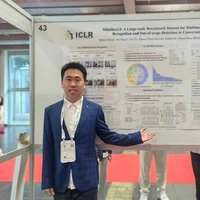
MIntRec2.0: A Large-scale Benchmark Dataset for Multimodal Intent Recognition and Out-of-scope Detection in Conversations

Multimodal intent recognition poses significant challenges, requiring the incorporation of non-verbal modalities from real-world contexts to enhance the comprehension of human intentions. Existing benchmark datasets are limited in scale and suffer from difficulties in handling out-of-scope samples that arise in multi-turn conversational interactions. We introduce MIntRec2.0, a large-scale benchmark dataset for multimodal intent recognition in multi-party conversations. It contains 1,245 dialogues with 15,040 samples, each annotated within a new intent taxonomy of 30 fine-grained classes. Besides 9,304 in-scope samples, it also includes 5,736 out-of-scope samples appearing in multi-turn contexts, which naturally occur in real-world scenarios. Furthermore, we provide comprehensive information on the speakers in each utterance, enriching its utility for multi-party conversational research. We establish a general framework supporting the organization of single-turn and multi-turn dialogue data, modality feature extraction, multimodal fusion, as well as in-scope classification and out-of-scope detection. Evaluation benchmarks are built using classic multimodal fusion methods, ChatGPT, and human evaluators. While existing methods incorporating nonverbal information yield improvements, effectively leveraging context information and detecting out-of-scope samples remains a substantial challenge. Notably, large language models exhibit a significant performance gap compared to humans, highlighting the limitations of machine learning methods in the cognitive intent understanding task. We believe that MIntRec2.0 will serve as a valuable resource, providing a pioneering foundation for research in human-machine conversational interactions, and significantly facilitating related applications. The full dataset and codes are available at https://github.com/thuiar/MIntRec2.0.

  • 9 authors
·
Mar 16, 2024

WebLINX: Real-World Website Navigation with Multi-Turn Dialogue

We propose the problem of conversational web navigation, where a digital agent controls a web browser and follows user instructions to solve real-world tasks in a multi-turn dialogue fashion. To support this problem, we introduce WEBLINX - a large-scale benchmark of 100K interactions across 2300 expert demonstrations of conversational web navigation. Our benchmark covers a broad range of patterns on over 150 real-world websites and can be used to train and evaluate agents in diverse scenarios. Due to the magnitude of information present, Large Language Models (LLMs) cannot process entire web pages in real-time. To solve this bottleneck, we design a retrieval-inspired model that efficiently prunes HTML pages by ranking relevant elements. We use the selected elements, along with screenshots and action history, to assess a variety of models for their ability to replicate human behavior when navigating the web. Our experiments span from small text-only to proprietary multimodal LLMs. We find that smaller finetuned decoders surpass the best zero-shot LLMs (including GPT-4V), but also larger finetuned multimodal models which were explicitly pretrained on screenshots. However, all finetuned models struggle to generalize to unseen websites. Our findings highlight the need for large multimodal models that can generalize to novel settings. Our code, data and models are available for research: https://mcgill-nlp.github.io/weblinx

  • 3 authors
·
Feb 8, 2024 4

OmniWorld: A Multi-Domain and Multi-Modal Dataset for 4D World Modeling

The field of 4D world modeling - aiming to jointly capture spatial geometry and temporal dynamics - has witnessed remarkable progress in recent years, driven by advances in large-scale generative models and multimodal learning. However, the development of truly general 4D world models remains fundamentally constrained by the availability of high-quality data. Existing datasets and benchmarks often lack the dynamic complexity, multi-domain diversity, and spatial-temporal annotations required to support key tasks such as 4D geometric reconstruction, future prediction, and camera-control video generation. To address this gap, we introduce OmniWorld, a large-scale, multi-domain, multi-modal dataset specifically designed for 4D world modeling. OmniWorld consists of a newly collected OmniWorld-Game dataset and several curated public datasets spanning diverse domains. Compared with existing synthetic datasets, OmniWorld-Game provides richer modality coverage, larger scale, and more realistic dynamic interactions. Based on this dataset, we establish a challenging benchmark that exposes the limitations of current state-of-the-art (SOTA) approaches in modeling complex 4D environments. Moreover, fine-tuning existing SOTA methods on OmniWorld leads to significant performance gains across 4D reconstruction and video generation tasks, strongly validating OmniWorld as a powerful resource for training and evaluation. We envision OmniWorld as a catalyst for accelerating the development of general-purpose 4D world models, ultimately advancing machines' holistic understanding of the physical world.

  • 19 authors
·
Sep 15, 2025 4

CarCrashNet: A Large-Scale Dataset and Hierarchical Neural Solver for Data-Driven Structural Crash Simulation

Crash simulation is a cornerstone of modern vehicle development because it reduces the need for costly physical prototypes, accelerates safety-driven design iteration, and increasingly supports virtual testing workflows. At the same time, modeling structural crash mechanics remains exceptionally challenging: the response is governed by nonlinear contact, large deformation, material plasticity, failure, and complex multi-body interactions evolving over space and time on high-resolution finite-element meshes. In this work, we introduce CarCrashNet, a public high-fidelity open-source benchmark for data-driven structural crash simulation. CarCrashNet combines component-scale and full-vehicle simulations in a multi-modal format, including more than 14{,}000 bumper-beam pole-impact simulations with varying geometry, materials, and boundary conditions, together with 825 full-vehicle crash simulations built from three industry-standard vehicle models of increasing structural complexity: Dodge Neon, Toyota Yaris, and Chevrolet Silverado. To establish the reliability of the benchmark, we validate our open-source finite-element workflow based on OpenRadioss against both experimental crash data and the commercial solver Ansys LS-DYNA. We also introduce CrashSolver, a machine-learning model designed for full-vehicle crash prediction from high-resolution finite-element crash data. We further perform extensive benchmarking across the released datasets and evaluate CrashSolver against state-of-the-art geometric deep learning and transformer-based neural solvers. Our results position CarCrashNet as a foundation for reproducible research in structural simulation, crashworthiness modeling, and AI-driven virtual crash testing. The dataset is available at https://github.com/Mohamedelrefaie/CarCrashNet.

  • 4 authors
·
May 7

IntTravel: A Real-World Dataset and Generative Framework for Integrated Multi-Task Travel Recommendation

Next Point of Interest (POI) recommendation is essential for modern mobility and location-based services. To provide a smooth user experience, models must understand several components of a journey holistically: "when to depart", "how to travel", "where to go", and "what needs arise via the route". However, current research is limited by fragmented datasets that focus merely on next POI recommendation ("where to go"), neglecting the departure time, travel mode, and situational requirements along the journey. Furthermore, the limited scale of these datasets impedes accurate evaluation of performance. To bridge this gap, we introduce IntTravel, the first large-scale public dataset for integrated travel recommendation, including 4.1 billion interactions from 163 million users with 7.3 million POIs. Built upon this dataset, we introduce an end-to-end, decoder-only generative framework for multi-task recommendation. It incorporates information preservation, selection, and factorization to balance task collaboration with specialized differentiation, yielding substantial performance gains. The framework's generalizability is highlighted by its state-of-the-art performance across both IntTravel dataset and an additional non-travel benchmark. IntTravel has been successfully deployed on Amap serving hundreds of millions of users, leading to a 1.09% increase in CTR. IntTravel is available at https://github.com/AMAP-ML/IntTravel.

  • 7 authors
·
Feb 12

CanvasAgent: Enabling Complex Image Creation and Editing via Visual Tool Orchestration

Complex image creation and editing often require more than a single generation or editing model. A user request may involve synthesizing images, localizing objects, segmenting regions, editing selected content, compositing intermediate assets, reading text, and enhancing the final result. Such tasks shift multimodal agents from perception-augmented reasoning to manipulation-centered visual creation, where tools must actively transform visual states rather than merely inspect them. However, existing multimodal tool-use agents are mostly optimized for perception, search, or domain-specific editing, and lack large-scale supervision for executable image-creation trajectories. In this paper, we introduce CanvasCraft, a large-scale multimodal tool-use dataset for complex image creation and editing, and CanvasAgent, a tool-augmented multimodal agent that learns to orchestrate heterogeneous visual tools through multi-turn interaction. CanvasCraft contains 140K fully annotated executable trajectories and 10K RL task specifications. CanvasAgent is first trained with SFT to learn executable reasoning-action trajectories, and is then optimized with GRPO using a hybrid reward that combines outcome- and process-level signals. During rollout, CanvasAgent inspects intermediate results, tracks visual assets, and adapts tool decisions to the evolving visual state. Experiments evaluate both final image quality and trajectory behavior, demonstrating the effectiveness of CanvasAgent and the proposed dataset for complex multi-tool image creation workflows.

  • 8 authors
·
Jul 5 3

IMUG-Bench: Benchmarking Unified Multimodal Models on Interleaved Understanding and Generation

In recent years, unified multimodal models (UMMs) have emerged to support both understanding and generation within a single framework. Mastering dynamic, multi-turn interleaved image-text dialogues is a crucial task for UMMs in real-world applications. However, existing benchmarks fail to evaluate this important task, as they are often limited to single-turn or static settings, and typically overlook exposure bias in multi-turn interactions. To bridge this gap, we propose IMUG-Bench, a comprehensive benchmark for multi-turn interleaved image-text dialogue of UMMs that jointly evaluates their understanding and generation capabilities. Our IMUG-Bench comprises three classes: Static Spatial, Temporal Causal, and Hybrid, covering 3,113 samples and 12,034 interaction turns. It also includes dynamic understanding questions, thereby supporting evaluation that better reflects real-world multi-turn interaction scenarios. Large-scale experiments on IMUG-Bench systematically evaluate mainstream open-source and closed-source UMMs, revealing their capability boundaries and failure modes, and uncovering pronounced exposure bias on the generation side in multi-turn interactions. We further explore several test-time scaling strategies, including Chain-of-Thought, Self-Verification, and Best-of-N Sampling, which effectively improve generation accuracy and mitigate exposure bias in generation tasks. These findings provide insights into enhancing the robustness and multi-turn interaction capability of future UMMs.

  • 15 authors
·
Jun 7

STREAM: A Data-Centric Framework for Mining High-Value Task-Oriented Dialogues from Streaming Media

Large language models for vertical domains are bottlenecked by the scarcity of complex, domain-specific task-oriented dialogues. Existing data acquisition pipelines face a persistent trilemma: expert annotation is expensive, real-world service conversations are constrained by privacy and commercial restrictions, and static corpora quickly become temporally stale. We propose Stream, a data-centric framework that leverages publicly available streaming media (live streams and short videos) to synthesize high-value service dialogues at scale. Stream mines authentic interaction signals from noisy streams and synthesizes conversations by integrating role-grounded persona construction with Conversational Blueprint construction; it further adopts retrieval-augmented generation (RAG) to support knowledge-aware responses. Based on Stream, we release StreamDial, a large-scale multi-domain dataset covering Automotive, Restaurant, and Hotel. StreamDial contains 87,498 dialogue sessions and 1,497,320 turns in total, with an average of 17.11 turns per session and a comparable scale across domains. Each session is organized as a structured quadruplet langle P_u, P_a, B, H rangle that pairs dialogue history with explicit user/agent personas and a Conversational Blueprint, capturing realistic service behaviors such as requirement mining, constraint conflicts, negotiation, and recovery. Evaluations with automatic judges and downstream tasks show that StreamDial improves intrinsic dialogue quality over strong baselines, and models trained with StreamDial improve Dialogue State Tracking across backbones; we further report a completed human-evaluation set and encouraging multilingual transfer on Qwen3-8B under a controlled training budget. The data is released in https://github.com/hitxueliang/DialogDataSetBySTREAM.

Byering Byering
·
May 23 2

AutoInt: Automatic Feature Interaction Learning via Self-Attentive Neural Networks

Click-through rate (CTR) prediction, which aims to predict the probability of a user clicking on an ad or an item, is critical to many online applications such as online advertising and recommender systems. The problem is very challenging since (1) the input features (e.g., the user id, user age, item id, item category) are usually sparse and high-dimensional, and (2) an effective prediction relies on high-order combinatorial features (a.k.a. cross features), which are very time-consuming to hand-craft by domain experts and are impossible to be enumerated. Therefore, there have been efforts in finding low-dimensional representations of the sparse and high-dimensional raw features and their meaningful combinations. In this paper, we propose an effective and efficient method called the AutoInt to automatically learn the high-order feature interactions of input features. Our proposed algorithm is very general, which can be applied to both numerical and categorical input features. Specifically, we map both the numerical and categorical features into the same low-dimensional space. Afterwards, a multi-head self-attentive neural network with residual connections is proposed to explicitly model the feature interactions in the low-dimensional space. With different layers of the multi-head self-attentive neural networks, different orders of feature combinations of input features can be modeled. The whole model can be efficiently fit on large-scale raw data in an end-to-end fashion. Experimental results on four real-world datasets show that our proposed approach not only outperforms existing state-of-the-art approaches for prediction but also offers good explainability. Code is available at: https://github.com/DeepGraphLearning/RecommenderSystems.

  • 7 authors
·
Oct 28, 2018

Bridging the Gap: Exploring the Capabilities of Bridge-Architectures for Complex Visual Reasoning Tasks

In recent times there has been a surge of multi-modal architectures based on Large Language Models, which leverage the zero shot generation capabilities of LLMs and project image embeddings into the text space and then use the auto-regressive capacity to solve tasks such as VQA, captioning, and image retrieval. We name these architectures as "bridge-architectures" as they project from the image space to the text space. These models deviate from the traditional recipe of training transformer based multi-modal models, which involve using large-scale pre-training and complex multi-modal interactions through co or cross attention. However, the capabilities of bridge architectures have not been tested on complex visual reasoning tasks which require fine grained analysis about the image. In this project, we investigate the performance of these bridge-architectures on the NLVR2 dataset, and compare it to state-of-the-art transformer based architectures. We first extend the traditional bridge architectures for the NLVR2 dataset, by adding object level features to faciliate fine-grained object reasoning. Our analysis shows that adding object level features to bridge architectures does not help, and that pre-training on multi-modal data is key for good performance on complex reasoning tasks such as NLVR2. We also demonstrate some initial results on a recently bridge-architecture, LLaVA, in the zero shot setting and analyze its performance.

  • 4 authors
·
Jul 30, 2023

Kimi K2: Open Agentic Intelligence

We introduce Kimi K2, a Mixture-of-Experts (MoE) large language model with 32 billion activated parameters and 1 trillion total parameters. We propose the MuonClip optimizer, which improves upon Muon with a novel QK-clip technique to address training instability while enjoying the advanced token efficiency of Muon. Based on MuonClip, K2 was pre-trained on 15.5 trillion tokens with zero loss spike. During post-training, K2 undergoes a multi-stage post-training process, highlighted by a large-scale agentic data synthesis pipeline and a joint reinforcement learning (RL) stage, where the model improves its capabilities through interactions with real and synthetic environments. Kimi K2 achieves state-of-the-art performance among open-source non-thinking models, with strengths in agentic capabilities. Notably, K2 obtains 66.1 on Tau2-Bench, 76.5 on ACEBench (En), 65.8 on SWE-Bench Verified, and 47.3 on SWE-Bench Multilingual -- surpassing most open and closed-sourced baselines in non-thinking settings. It also exhibits strong capabilities in coding, mathematics, and reasoning tasks, with a score of 53.7 on LiveCodeBench v6, 49.5 on AIME 2025, 75.1 on GPQA-Diamond, and 27.1 on OJBench, all without extended thinking. These results position Kimi K2 as one of the most capable open-source large language models to date, particularly in software engineering and agentic tasks. We release our base and post-trained model checkpoints to facilitate future research and applications of agentic intelligence.

  • 169 authors
·
Jul 28, 2025 2

PieArena: Frontier Language Agents Achieve MBA-Level Negotiation Performance and Reveal Novel Behavioral Differences

We present an in-depth evaluation of LLMs' ability to negotiate, a central business task that requires strategic reasoning, theory of mind, and economic value creation. To do so, we introduce PieArena, a large-scale negotiation benchmark grounded in multi-agent interactions over realistic scenarios drawn from an MBA negotiation course at an elite business school. We develop a statistically grounded ranking model for continuous negotiation payoffs that produces leaderboards with principled confidence intervals and corrects for experimental asymmetries. We find systematic evidence of human-expert-level performance in which a representative frontier language agent (GPT-5) matches or outperforms trained business-school students, despite a semester of general negotiation instruction and targeted coaching immediately prior to the task. We further study the effects of joint-intentionality agentic scaffolding and observe asymmetric gains, with large improvements for mid- and lower-tier LMs and diminishing returns for frontier LMs. Beyond deal outcomes, PieArena provides a multi-dimensional negotiation behavioral profile, revealing novel cross-model heterogeneity, masked by deal-outcome-only benchmarks, in deception, computation accuracy, instruction compliance, and perceived reputation. Overall, our results suggest that frontier language agents are already intellectually and psychologically capable of deployment in high-stakes economic settings, but deficiencies in robustness and trustworthiness remain open challenges.

  • 7 authors
·
Feb 10

MultiTab: A Scalable Foundation for Multitask Learning on Tabular Data

Tabular data is the most abundant data type in the world, powering systems in finance, healthcare, e-commerce, and beyond. As tabular datasets grow and span multiple related targets, there is an increasing need to exploit shared task information for improved multitask generalization. Multitask learning (MTL) has emerged as a powerful way to improve generalization and efficiency, yet most existing work focuses narrowly on large-scale recommendation systems, leaving its potential in broader tabular domains largely underexplored. Also, existing MTL approaches for tabular data predominantly rely on multi-layer perceptron-based backbones, which struggle to capture complex feature interactions and often fail to scale when data is abundant, a limitation that transformer architectures have overcome in other domains. Motivated by this, we introduce MultiTab-Net, the first multitask transformer architecture specifically designed for large tabular data. MultiTab-Net employs a novel multitask masked-attention mechanism that dynamically models feature-feature dependencies while mitigating task competition. Through extensive experiments, we show that MultiTab-Net consistently achieves higher multitask gain than existing MTL architectures and single-task transformers across diverse domains including large-scale recommendation data, census-like socioeconomic data, and physics datasets, spanning a wide range of task counts, task types, and feature modalities. In addition, we contribute MultiTab-Bench, a generalized multitask synthetic dataset generator that enables systematic evaluation of multitask dynamics by tuning task count, task correlations, and relative task complexity. Our code is publicly available at https://github.com/Armanfard-Lab/MultiTab.

  • 3 authors
·
Nov 13, 2025

RadVLM: A Multitask Conversational Vision-Language Model for Radiology

The widespread use of chest X-rays (CXRs), coupled with a shortage of radiologists, has driven growing interest in automated CXR analysis and AI-assisted reporting. While existing vision-language models (VLMs) show promise in specific tasks such as report generation or abnormality detection, they often lack support for interactive diagnostic capabilities. In this work we present RadVLM, a compact, multitask conversational foundation model designed for CXR interpretation. To this end, we curate a large-scale instruction dataset comprising over 1 million image-instruction pairs containing both single-turn tasks -- such as report generation, abnormality classification, and visual grounding -- and multi-turn, multi-task conversational interactions. After fine-tuning RadVLM on this instruction dataset, we evaluate it across different tasks along with re-implemented baseline VLMs. Our results show that RadVLM achieves state-of-the-art performance in conversational capabilities and visual grounding while remaining competitive in other radiology tasks. Ablation studies further highlight the benefit of joint training across multiple tasks, particularly for scenarios with limited annotated data. Together, these findings highlight the potential of RadVLM as a clinically relevant AI assistant, providing structured CXR interpretation and conversational capabilities to support more effective and accessible diagnostic workflows.

  • 15 authors
·
Feb 5, 2025

Search Arena: Analyzing Search-Augmented LLMs

Search-augmented language models combine web search with Large Language Models (LLMs) to improve response groundedness and freshness. However, analyzing these systems remains challenging: existing datasets are limited in scale and narrow in scope, often constrained to static, single-turn, fact-checking questions. In this work, we introduce Search Arena, a crowd-sourced, large-scale, human-preference dataset of over 24,000 paired multi-turn user interactions with search-augmented LLMs. The dataset spans diverse intents and languages, and contains full system traces with around 12,000 human preference votes. Our analysis reveals that user preferences are influenced by the number of citations, even when the cited content does not directly support the attributed claims, uncovering a gap between perceived and actual credibility. Furthermore, user preferences vary across cited sources, revealing that community-driven platforms are generally preferred and static encyclopedic sources are not always appropriate and reliable. To assess performance across different settings, we conduct cross-arena analyses by testing search-augmented LLMs in a general-purpose chat environment and conventional LLMs in search-intensive settings. We find that web search does not degrade and may even improve performance in non-search settings; however, the quality in search settings is significantly affected if solely relying on the model's parametric knowledge. We open-sourced the dataset to support future research in this direction. Our dataset and code are available at: https://github.com/lmarena/search-arena.

  • 11 authors
·
Jun 5, 2025 1

Large Reward Models: Generalizable Online Robot Reward Generation with Vision-Language Models

Reinforcement Learning (RL) has shown great potential in refining robotic manipulation policies, yet its efficacy remains strongly bottlenecked by the difficulty of designing generalizable reward functions. In this paper, we propose a framework for online policy refinement by adapting foundation VLMs into online reward generators. We develop a robust, scalable reward model based on a state-of-the-art VLM, trained on a large-scale, multi-source dataset encompassing real-world robot trajectories, human-object interactions, and diverse simulated environments. Unlike prior approaches that evaluate entire trajectories post-hoc, our method leverages the VLM to formulate a multifaceted reward signal comprising process, completion, and temporal contrastive rewards based on current visual observations. Initializing with a base policy trained via Imitation Learning (IL), we employ these VLM rewards to guide the model to correct sub-optimal behaviors in a closed-loop manner. We evaluate our framework on challenging long-horizon manipulation benchmarks requiring sequential execution and precise control. Crucially, our reward model operates in a purely zero-shot manner within these test environments. Experimental results demonstrate that our method significantly improves the success rate of the initial IL policy within just 30 RL iterations, demonstrating remarkable sample efficiency. This empirical evidence highlights that VLM-generated signals can provide reliable feedback to resolve execution errors, effectively eliminating the need for manual reward engineering and facilitating efficient online refinement for robot learning.

  • 6 authors
·
Mar 16

MD-RWKV-UNet: Scale-Aware Anatomical Encoding with Cross-Stage Fusion for Multi-Organ Segmentation

Multi-organ segmentation in medical imaging remains challenging due to large anatomical variability, complex inter-organ dependencies, and diverse organ scales and shapes. Conventional encoder-decoder architectures often struggle to capture both fine-grained local details and long-range context, which are crucial for accurate delineation - especially for small or deformable organs. To address these limitations, we propose MD-RWKV-UNet, a dynamic encoder network that enables scale-aware representation and spatially adaptive context modeling. At its core is the MD-RWKV block, a dual-path module that integrates deformable spatial shifts with the Receptance Weighted Key Value mechanism, allowing the receptive field to adapt dynamically to local structural cues. We further incorporate Selective Kernel Attention to enable adaptive selection of convolutional kernels with varying receptive fields, enhancing multi-scale interaction and improving robustness to organ size and shape variation. In parallel, a cross-stage dual-attention fusion strategy aggregates multi-level features across the encoder, preserving low-level structure while enhancing semantic consistency. Unlike methods that stack static convolutions or rely heavily on global attention, our approach provides a lightweight yet expressive solution for dynamic organ modeling. Experiments on Synapse and ACDC demonstrate state-of-the-art performance, particularly in boundary precision and small-organ segmentation.

  • 1 authors
·
Mar 27

LSMS: Language-guided Scale-aware MedSegmentor for Medical Image Referring Segmentation

Conventional medical image segmentation methods have been found inadequate in facilitating physicians with the identification of specific lesions for diagnosis and treatment. Given the utility of text as an instructional format, we introduce a novel task termed Medical Image Referring Segmentation (MIRS), which requires segmenting specified lesions in images based on the given language expressions. Due to the varying object scales in medical images, MIRS demands robust vision-language modeling and comprehensive multi-scale interaction for precise localization and segmentation under linguistic guidance. However, existing medical image segmentation methods fall short in meeting these demands, resulting in insufficient segmentation accuracy. In response, we propose an approach named Language-guided Scale-aware MedSegmentor (LSMS), incorporating two appealing designs: (1)~a Scale-aware Vision-Language Attention module that leverages diverse convolutional kernels to acquire rich visual knowledge and interact closely with linguistic features, thereby enhancing lesion localization capability; (2)~a Full-Scale Decoder that globally models multi-modal features across various scales, capturing complementary information between scales to accurately outline lesion boundaries. Addressing the lack of suitable datasets for MIRS, we constructed a vision-language medical dataset called Reference Hepatic Lesion Segmentation (RefHL-Seg). This dataset comprises 2,283 abdominal CT slices from 231 cases, with corresponding textual annotations and segmentation masks for various liver lesions in images. We validated the performance of LSMS for MIRS and conventional medical image segmentation tasks across various datasets. Our LSMS consistently outperforms on all datasets with lower computational costs. The code and datasets will be released.

  • 7 authors
·
Aug 30, 2024

DETRs Beat YOLOs on Real-time Object Detection

The YOLO series has become the most popular framework for real-time object detection due to its reasonable trade-off between speed and accuracy. However, we observe that the speed and accuracy of YOLOs are negatively affected by the NMS. Recently, end-to-end Transformer-based detectors (DETRs) have provided an alternative to eliminating NMS. Nevertheless, the high computational cost limits their practicality and hinders them from fully exploiting the advantage of excluding NMS. In this paper, we propose the Real-Time DEtection TRansformer (RT-DETR), the first real-time end-to-end object detector to our best knowledge that addresses the above dilemma. We build RT-DETR in two steps, drawing on the advanced DETR: first we focus on maintaining accuracy while improving speed, followed by maintaining speed while improving accuracy. Specifically, we design an efficient hybrid encoder to expeditiously process multi-scale features by decoupling intra-scale interaction and cross-scale fusion to improve speed. Then, we propose the uncertainty-minimal query selection to provide high-quality initial queries to the decoder, thereby improving accuracy. In addition, RT-DETR supports flexible speed tuning by adjusting the number of decoder layers to adapt to various scenarios without retraining. Our RT-DETR-R50 / R101 achieves 53.1% / 54.3% AP on COCO and 108 / 74 FPS on T4 GPU, outperforming previously advanced YOLOs in both speed and accuracy. We also develop scaled RT-DETRs that outperform the lighter YOLO detectors (S and M models). Furthermore, RT-DETR-R50 outperforms DINO-R50 by 2.2% AP in accuracy and about 21 times in FPS. After pre-training with Objects365, RT-DETR-R50 / R101 achieves 55.3% / 56.2% AP. The project page: https://zhao-yian.github.io/RTDETR.

  • 8 authors
·
Apr 17, 2023

ViT-CoMer: Vision Transformer with Convolutional Multi-scale Feature Interaction for Dense Predictions

Although Vision Transformer (ViT) has achieved significant success in computer vision, it does not perform well in dense prediction tasks due to the lack of inner-patch information interaction and the limited diversity of feature scale. Most existing studies are devoted to designing vision-specific transformers to solve the above problems, which introduce additional pre-training costs. Therefore, we present a plain, pre-training-free, and feature-enhanced ViT backbone with Convolutional Multi-scale feature interaction, named ViT-CoMer, which facilitates bidirectional interaction between CNN and transformer. Compared to the state-of-the-art, ViT-CoMer has the following advantages: (1) We inject spatial pyramid multi-receptive field convolutional features into the ViT architecture, which effectively alleviates the problems of limited local information interaction and single-feature representation in ViT. (2) We propose a simple and efficient CNN-Transformer bidirectional fusion interaction module that performs multi-scale fusion across hierarchical features, which is beneficial for handling dense prediction tasks. (3) We evaluate the performance of ViT-CoMer across various dense prediction tasks, different frameworks, and multiple advanced pre-training. Notably, our ViT-CoMer-L achieves 64.3% AP on COCO val2017 without extra training data, and 62.1% mIoU on ADE20K val, both of which are comparable to state-of-the-art methods. We hope ViT-CoMer can serve as a new backbone for dense prediction tasks to facilitate future research. The code will be released at https://github.com/Traffic-X/ViT-CoMer.

  • 5 authors
·
Mar 12, 2024

Multi-Modal Interaction Graph Convolutional Network for Temporal Language Localization in Videos

This paper focuses on tackling the problem of temporal language localization in videos, which aims to identify the start and end points of a moment described by a natural language sentence in an untrimmed video. However, it is non-trivial since it requires not only the comprehensive understanding of the video and sentence query, but also the accurate semantic correspondence capture between them. Existing efforts are mainly centered on exploring the sequential relation among video clips and query words to reason the video and sentence query, neglecting the other intra-modal relations (e.g., semantic similarity among video clips and syntactic dependency among the query words). Towards this end, in this work, we propose a Multi-modal Interaction Graph Convolutional Network (MIGCN), which jointly explores the complex intra-modal relations and inter-modal interactions residing in the video and sentence query to facilitate the understanding and semantic correspondence capture of the video and sentence query. In addition, we devise an adaptive context-aware localization method, where the context information is taken into the candidate moments and the multi-scale fully connected layers are designed to rank and adjust the boundary of the generated coarse candidate moments with different lengths. Extensive experiments on Charades-STA and ActivityNet datasets demonstrate the promising performance and superior efficiency of our model.

  • 5 authors
·
Oct 12, 2021

EMDFNet: Efficient Multi-scale and Diverse Feature Network for Traffic Sign Detection

The detection of small objects, particularly traffic signs, is a critical subtask within object detection and autonomous driving. Despite the notable achievements in previous research, two primary challenges persist. Firstly, the main issue is the singleness of feature extraction. Secondly, the detection process fails to effectively integrate with objects of varying sizes or scales. These issues are also prevalent in generic object detection. Motivated by these challenges, in this paper, we propose a novel object detection network named Efficient Multi-scale and Diverse Feature Network (EMDFNet) for traffic sign detection that integrates an Augmented Shortcut Module and an Efficient Hybrid Encoder to address the aforementioned issues simultaneously. Specifically, the Augmented Shortcut Module utilizes multiple branches to integrate various spatial semantic information and channel semantic information, thereby enhancing feature diversity. The Efficient Hybrid Encoder utilizes global feature fusion and local feature interaction based on various features to generate distinctive classification features by integrating feature information in an adaptable manner. Extensive experiments on the Tsinghua-Tencent 100K (TT100K) benchmark and the German Traffic Sign Detection Benchmark (GTSDB) demonstrate that our EMDFNet outperforms other state-of-the-art detectors in performance while retaining the real-time processing capabilities of single-stage models. This substantiates the effectiveness of EMDFNet in detecting small traffic signs.

  • 6 authors
·
Aug 26, 2024

Modality Alignment with Multi-scale Bilateral Attention for Multimodal Recommendation

Multimodal recommendation systems are increasingly becoming foundational technologies for e-commerce and content platforms, enabling personalized services by jointly modeling users' historical behaviors and the multimodal features of items (e.g., visual and textual). However, most existing methods rely on either static fusion strategies or graph-based local interaction modeling, facing two critical limitations: (1) insufficient ability to model fine-grained cross-modal associations, leading to suboptimal fusion quality; and (2) a lack of global distribution-level consistency, causing representational bias. To address these, we propose MambaRec, a novel framework that integrates local feature alignment and global distribution regularization via attention-guided learning. At its core, we introduce the Dilated Refinement Attention Module (DREAM), which uses multi-scale dilated convolutions with channel-wise and spatial attention to align fine-grained semantic patterns between visual and textual modalities. This module captures hierarchical relationships and context-aware associations, improving cross-modal semantic modeling. Additionally, we apply Maximum Mean Discrepancy (MMD) and contrastive loss functions to constrain global modality alignment, enhancing semantic consistency. This dual regularization reduces mode-specific deviations and boosts robustness. To improve scalability, MambaRec employs a dimensionality reduction strategy to lower the computational cost of high-dimensional multimodal features. Extensive experiments on real-world e-commerce datasets show that MambaRec outperforms existing methods in fusion quality, generalization, and efficiency. Our code has been made publicly available at https://github.com/rkl71/MambaRec.

  • 3 authors
·
Sep 10, 2025 2

PMAA: A Progressive Multi-scale Attention Autoencoder Model for High-Performance Cloud Removal from Multi-temporal Satellite Imagery

Satellite imagery analysis plays a vital role in remote sensing, but the information loss caused by cloud cover seriously hinders its application. This study presents a high-performance cloud removal architecture called Progressive Multi-scale Attention Autoencoder (PMAA), which simultaneously leverages global and local information. It mainly consists of a cloud detection backbone and a cloud removal module. The cloud detection backbone uses cloud masks to reinforce cloudy areas to prompt the cloud removal module. The cloud removal module mainly comprises a novel Multi-scale Attention Module (MAM) and a Local Interaction Module (LIM). PMAA establishes the long-range dependency of multi-scale features using MAM and modulates the reconstruction of the fine-grained details using LIM, allowing for the simultaneous representation of fine- and coarse-grained features at the same level. With the help of diverse and multi-scale feature representation, PMAA outperforms the previous state-of-the-art model CTGAN consistently on the Sen2_MTC_Old and Sen2_MTC_New datasets. Furthermore, PMAA has a considerable efficiency advantage, with only 0.5% and 14.6% of the parameters and computational complexity of CTGAN, respectively. These extensive results highlight the potential of PMAA as a lightweight cloud removal network suitable for deployment on edge devices. We will release the code and trained models to facilitate the study in this direction.

  • 5 authors
·
Mar 29, 2023

MRMS-Net and LMRMS-Net: Scalable Multi-Representation Multi-Scale Networks for Time Series Classification

Time series classification (TSC) performance depends not only on architectural design but also on the diversity of input representations. In this work, we propose a scalable multi-scale convolutional framework that systematically integrates structured multi-representation inputs for univariate time series. We introduce two architectures: MRMS-Net, a hierarchical multi-scale convolutional network optimized for robustness and calibration, and LMRMS-Net, a lightweight variant designed for efficiency-aware deployment. In addition, we adapt LiteMV -- originally developed for multivariate inputs -- to operate on multi-representation univariate signals, enabling cross-representation interaction. We evaluate all models across 142 benchmark datasets under a unified experimental protocol. Critical Difference (CD) analysis confirms statistically significant performance differences among the top models. Results show that LiteMV achieves the highest mean accuracy, MRMS-Net provides superior probabilistic calibration (lowest NLL), and LMRMS-Net offers the best efficiency-accuracy tradeoff. Pareto analysis further demonstrates that multi-representation multi-scale modeling yields a flexible design space that can be tuned for accuracy-oriented, calibration-oriented, or resource-constrained settings. These findings establish scalable multi-representation multi-scale learning as a principled and practical direction for modern TSC. Reference implementation of MRMS-Net and LMRMS-Net is available at: https://github.com/alagoz/mrmsnet-tsc

  • 3 authors
·
Mar 24

Voila: Voice-Language Foundation Models for Real-Time Autonomous Interaction and Voice Role-Play

A voice AI agent that blends seamlessly into daily life would interact with humans in an autonomous, real-time, and emotionally expressive manner. Rather than merely reacting to commands, it would continuously listen, reason, and respond proactively, fostering fluid, dynamic, and emotionally resonant interactions. We introduce Voila, a family of large voice-language foundation models that make a step towards this vision. Voila moves beyond traditional pipeline systems by adopting a new end-to-end architecture that enables full-duplex, low-latency conversations while preserving rich vocal nuances such as tone, rhythm, and emotion. It achieves a response latency of just 195 milliseconds, surpassing the average human response time. Its hierarchical multi-scale Transformer integrates the reasoning capabilities of large language models (LLMs) with powerful acoustic modeling, enabling natural, persona-aware voice generation -- where users can simply write text instructions to define the speaker's identity, tone, and other characteristics. Moreover, Voila supports over one million pre-built voices and efficient customization of new ones from brief audio samples as short as 10 seconds. Beyond spoken dialogue, Voila is designed as a unified model for a wide range of voice-based applications, including automatic speech recognition (ASR), Text-to-Speech (TTS), and, with minimal adaptation, multilingual speech translation. Voila is fully open-sourced to support open research and accelerate progress toward next-generation human-machine interactions.

  • 7 authors
·
May 5, 2025 4

Nonverbal Interaction Detection

This work addresses a new challenge of understanding human nonverbal interaction in social contexts. Nonverbal signals pervade virtually every communicative act. Our gestures, facial expressions, postures, gaze, even physical appearance all convey messages, without anything being said. Despite their critical role in social life, nonverbal signals receive very limited attention as compared to the linguistic counterparts, and existing solutions typically examine nonverbal cues in isolation. Our study marks the first systematic effort to enhance the interpretation of multifaceted nonverbal signals. First, we contribute a novel large-scale dataset, called NVI, which is meticulously annotated to include bounding boxes for humans and corresponding social groups, along with 22 atomic-level nonverbal behaviors under five broad interaction types. Second, we establish a new task NVI-DET for nonverbal interaction detection, which is formalized as identifying triplets in the form <individual, group, interaction> from images. Third, we propose a nonverbal interaction detection hypergraph (NVI-DEHR), a new approach that explicitly models high-order nonverbal interactions using hypergraphs. Central to the model is a dual multi-scale hypergraph that adeptly addresses individual-to-individual and group-to-group correlations across varying scales, facilitating interactional feature learning and eventually improving interaction prediction. Extensive experiments on NVI show that NVI-DEHR improves various baselines significantly in NVI-DET. It also exhibits leading performance on HOI-DET, confirming its versatility in supporting related tasks and strong generalization ability. We hope that our study will offer the community new avenues to explore nonverbal signals in more depth.

  • 4 authors
·
Jul 10, 2024

M2H-MX: Multi-Task Dense Visual Perception for Real-Time Monocular Spatial Understanding

Monocular cameras are attractive for robotic perception due to their low cost and ease of deployment, yet achieving reliable real-time spatial understanding from a single image stream remains challenging. While recent multi-task dense prediction models have improved per-pixel depth and semantic estimation, translating these advances into stable monocular mapping systems is still non-trivial. This paper presents M2H-MX, a real-time multi-task perception model for monocular spatial understanding. The model preserves multi-scale feature representations while introducing register-gated global context and controlled cross-task interaction in a lightweight decoder, enabling depth and semantic predictions to reinforce each other under strict latency constraints. Its outputs integrate directly into an unmodified monocular SLAM pipeline through a compact perception-to-mapping interface. We evaluate both dense prediction accuracy and in-the-loop system performance. On NYUDv2, M2H-MX-L achieves state-of-the-art results, improving semantic mIoU by 6.6% and reducing depth RMSE by 9.4% over representative multi-task baselines. When deployed in a real-time monocular mapping system on ScanNet, M2H-MX reduces average trajectory error by 60.7% compared to a strong monocular SLAM baseline while producing cleaner metric-semantic maps. These results demonstrate that modern multi-task dense prediction can be reliably deployed for real-time monocular spatial perception in robotic systems.

  • 3 authors
·
Mar 30

Capturing More: Learning Multi-Domain Representations for Robust Online Handwriting Verification

In this paper, we propose SPECTRUM, a temporal-frequency synergistic model that unlocks the untapped potential of multi-domain representation learning for online handwriting verification (OHV). SPECTRUM comprises three core components: (1) a multi-scale interactor that finely combines temporal and frequency features through dual-modal sequence interaction and multi-scale aggregation, (2) a self-gated fusion module that dynamically integrates global temporal and frequency features via self-driven balancing. These two components work synergistically to achieve micro-to-macro spectral-temporal integration. (3) A multi-domain distance-based verifier then utilizes both temporal and frequency representations to improve discrimination between genuine and forged handwriting, surpassing conventional temporal-only approaches. Extensive experiments demonstrate SPECTRUM's superior performance over existing OHV methods, underscoring the effectiveness of temporal-frequency multi-domain learning. Furthermore, we reveal that incorporating multiple handwritten biometrics fundamentally enhances the discriminative power of handwriting representations and facilitates verification. These findings not only validate the efficacy of multi-domain learning in OHV but also pave the way for future research in multi-domain approaches across both feature and biometric domains. Code is publicly available at https://github.com/NiceRingNode/SPECTRUM.

  • 3 authors
·
Aug 2, 2025

Spatiotemporal Heterogeneity of AI-Driven Traffic Flow Patterns and Land Use Interaction: A GeoAI-Based Analysis of Multimodal Urban Mobility

Urban traffic flow is governed by the complex, nonlinear interaction between land use configuration and spatiotemporally heterogeneous mobility demand. Conventional global regression and time-series models cannot simultaneously capture these multi-scale dynamics across multiple travel modes. This study proposes a GeoAI Hybrid analytical framework that sequentially integrates Multiscale Geographically Weighted Regression (MGWR), Random Forest (RF), and Spatio-Temporal Graph Convolutional Networks (ST-GCN) to model the spatiotemporal heterogeneity of traffic flow patterns and their interaction with land use across three mobility modes: motor vehicle, public transit, and active transport. Applying the framework to an empirically calibrated dataset of 350 traffic analysis zones across six cities spanning two contrasting urban morphologies, four key findings emerge: (i) the GeoAI Hybrid achieves a root mean squared error (RMSE) of 0.119 and an R^2 of 0.891, outperforming all benchmarks by 23-62%; (ii) SHAP analysis identifies land use mix as the strongest predictor for motor vehicle flows and transit stop density as the strongest predictor for public transit; (iii) DBSCAN clustering identifies five functionally distinct urban traffic typologies with a silhouette score of 0.71, and GeoAI Hybrid residuals exhibit Moran's I=0.218 (p<0.001), a 72% reduction relative to OLS baselines; and (iv) cross-city transfer experiments reveal moderate within-cluster transferability (R^2>=0.78) and limited cross-cluster generalisability, underscoring the primacy of urban morphological context. The framework offers planners and transportation engineers an interpretable, scalable toolkit for evidence-based multimodal mobility management and land use policy design.

  • 1 authors
·
Mar 5 2

One Click per Cell Type Suffices: Training-free Group Interaction for Cell Instance Segmentation

Cell instance segmentation models trained on cell-specific datasets suffer severe performance drops on out-of-distribution cell types, while interactive foundation models overcome this through per-instance prompting at a cost that is prohibitively expensive for histopathology images containing hundreds to thousands of densely packed instances. We introduce Group Prompting, a new paradigm that shifts interactive segmentation from per-instance O(N) to per-type O(T), where a single click per cell type suffices to segment all instances of that type. Our key observation is that the frozen image encoder of the Segment Anything Model (SAM) already clusters same-type cells in its feature space before any prompt is given. Exploiting this property, we propose Chain-of-Prompts (CoP), a training-free framework that recursively expands a single user click by (1) identifying reliable same-type locations through non-parametric gating of multi-scale encoder features, and (2) selecting the most spatially distant reliable point as the next prompt to maximize coverage. On three cell-type-annotated benchmarks, CoP with one click per type retains over 90% of per-instance performance and surpasses fully-supervised methods without any additional training. On four morphologically homogeneous benchmarks, a single click retains over 99%. Project Page: https://shjo-april.github.io/Chain-of-Prompts/

SemDINO: DINOv3-Guided Cross-Temporal Semantic Alignment Network for Remote Sensing Change Detection

Semantic change detection (SCD) in remote sensing aims to identify land-cover transitions between bi-temporal observations while suppressing pseudo-changes caused by illumination variations, seasonal differences, and registration errors. Although Vision Foundation Models (VFMs) provide transferable semantic priors, their application to SCD remains challenging due to the mismatch between foundation-model representations and task-specific spatial features, as well as temporal-order sensitivity. To address these issues, this paper proposes SemDINO, an alignment-driven framework that integrates DINOv3 priors with hierarchical convolutional representations for cross-temporal semantic reasoning. Specifically, a Gated Pyramid Fusion (PyFu) module is developed to adaptively combine foundation-model semantics with CNN spatial details while reducing domain noise. A Multi-scale Temporal Bi-directional Transformer (M-TBTT) is introduced to achieve symmetric cross-temporal feature interaction and alleviate temporal-order bias. Furthermore, a Feature Change Enhancement (FeaCE) flow is designed to refine aligned representations and distinguish genuine semantic transitions from pseudo variations. Finally, a multi-branch decoupled prediction head jointly generates change masks, bi-temporal semantic maps, and edge constraints. Extensive experiments across five benchmark datasets demonstrate that SemDINO consistently outperforms state-of-the-art methods on both semantic and binary change detection tasks. The results validate the effectiveness of alignment-oriented representation learning for robust remote sensing change analysis. The code will be available in brown{https://github.com/tonxycs/SemDINO}

  • 4 authors
·
Jul 19

Spatial Frequency Modulation for Semantic Segmentation

High spatial frequency information, including fine details like textures, significantly contributes to the accuracy of semantic segmentation. However, according to the Nyquist-Shannon Sampling Theorem, high-frequency components are vulnerable to aliasing or distortion when propagating through downsampling layers such as strided-convolution. Here, we propose a novel Spatial Frequency Modulation (SFM) that modulates high-frequency features to a lower frequency before downsampling and then demodulates them back during upsampling. Specifically, we implement modulation through adaptive resampling (ARS) and design a lightweight add-on that can densely sample the high-frequency areas to scale up the signal, thereby lowering its frequency in accordance with the Frequency Scaling Property. We also propose Multi-Scale Adaptive Upsampling (MSAU) to demodulate the modulated feature and recover high-frequency information through non-uniform upsampling This module further improves segmentation by explicitly exploiting information interaction between densely and sparsely resampled areas at multiple scales. Both modules can seamlessly integrate with various architectures, extending from convolutional neural networks to transformers. Feature visualization and analysis confirm that our method effectively alleviates aliasing while successfully retaining details after demodulation. Finally, we validate the broad applicability and effectiveness of SFM by extending it to image classification, adversarial robustness, instance segmentation, and panoptic segmentation tasks. The code is available at https://github.com/Linwei-Chen/SFM.

  • 5 authors
·
Jul 16, 2025

PartRM: Modeling Part-Level Dynamics with Large Cross-State Reconstruction Model

As interest grows in world models that predict future states from current observations and actions, accurately modeling part-level dynamics has become increasingly relevant for various applications. Existing approaches, such as Puppet-Master, rely on fine-tuning large-scale pre-trained video diffusion models, which are impractical for real-world use due to the limitations of 2D video representation and slow processing times. To overcome these challenges, we present PartRM, a novel 4D reconstruction framework that simultaneously models appearance, geometry, and part-level motion from multi-view images of a static object. PartRM builds upon large 3D Gaussian reconstruction models, leveraging their extensive knowledge of appearance and geometry in static objects. To address data scarcity in 4D, we introduce the PartDrag-4D dataset, providing multi-view observations of part-level dynamics across over 20,000 states. We enhance the model's understanding of interaction conditions with a multi-scale drag embedding module that captures dynamics at varying granularities. To prevent catastrophic forgetting during fine-tuning, we implement a two-stage training process that focuses sequentially on motion and appearance learning. Experimental results show that PartRM establishes a new state-of-the-art in part-level motion learning and can be applied in manipulation tasks in robotics. Our code, data, and models are publicly available to facilitate future research.

  • 9 authors
·
Mar 25, 2025

Decoding with Structured Awareness: Integrating Directional, Frequency-Spatial, and Structural Attention for Medical Image Segmentation

To address the limitations of Transformer decoders in capturing edge details, recognizing local textures and modeling spatial continuity, this paper proposes a novel decoder framework specifically designed for medical image segmentation, comprising three core modules. First, the Adaptive Cross-Fusion Attention (ACFA) module integrates channel feature enhancement with spatial attention mechanisms and introduces learnable guidance in three directions (planar, horizontal, and vertical) to enhance responsiveness to key regions and structural orientations. Second, the Triple Feature Fusion Attention (TFFA) module fuses features from Spatial, Fourier and Wavelet domains, achieving joint frequency-spatial representation that strengthens global dependency and structural modeling while preserving local information such as edges and textures, making it particularly effective in complex and blurred boundary scenarios. Finally, the Structural-aware Multi-scale Masking Module (SMMM) optimizes the skip connections between encoder and decoder by leveraging multi-scale context and structural saliency filtering, effectively reducing feature redundancy and improving semantic interaction quality. Working synergistically, these modules not only address the shortcomings of traditional decoders but also significantly enhance performance in high-precision tasks such as tumor segmentation and organ boundary extraction, improving both segmentation accuracy and model generalization. Experimental results demonstrate that this framework provides an efficient and practical solution for medical image segmentation.

  • 3 authors
·
Dec 5, 2025

AFM-Net: Advanced Fusing Hierarchical CNN Visual Priors with Global Sequence Modeling for Remote Sensing Image Scene Classification

Remote sensing image scene classification remains a challenging task, primarily due to the complex spatial structures and multi-scale characteristics of ground objects. Existing approaches see CNNs excel at modeling local textures, while Transformers excel at capturing global context. However, efficiently integrating them remains a bottleneck due to the high computational cost of Transformers. To tackle this, we propose AFM-Net, a novel Advanced Hierarchical Fusing framework that achieves effective local and global co-representation through two pathways: a CNN branch for extracting hierarchical visual priors, and a Mamba branch for efficient global sequence modeling. The core innovation of AFM-Net lies in its Hierarchical Fusion Mechanism, which progressively aggregates multi-scale features from both pathways, enabling dynamic cross-level feature interaction and contextual reconstruction to produce highly discriminative representations. These fused features are then adaptively routed through a Mixture-of-Experts classifier module, which dispatches them to the most suitable experts for fine-grained scene recognition. Experiments on AID, NWPU-RESISC45, and UC Merced show that AFM-Net obtains 93.72, 95.54, and 96.92 percent accuracy, surpassing state-of-the-art methods with balanced performance and efficiency. Code is available at https://github.com/tangyuanhao-qhu/AFM-Net.

  • 6 authors
·
Oct 30, 2025

TOPIQ: A Top-down Approach from Semantics to Distortions for Image Quality Assessment

Image Quality Assessment (IQA) is a fundamental task in computer vision that has witnessed remarkable progress with deep neural networks. Inspired by the characteristics of the human visual system, existing methods typically use a combination of global and local representations (\ie, multi-scale features) to achieve superior performance. However, most of them adopt simple linear fusion of multi-scale features, and neglect their possibly complex relationship and interaction. In contrast, humans typically first form a global impression to locate important regions and then focus on local details in those regions. We therefore propose a top-down approach that uses high-level semantics to guide the IQA network to focus on semantically important local distortion regions, named as TOPIQ. Our approach to IQA involves the design of a heuristic coarse-to-fine network (CFANet) that leverages multi-scale features and progressively propagates multi-level semantic information to low-level representations in a top-down manner. A key component of our approach is the proposed cross-scale attention mechanism, which calculates attention maps for lower level features guided by higher level features. This mechanism emphasizes active semantic regions for low-level distortions, thereby improving performance. CFANet can be used for both Full-Reference (FR) and No-Reference (NR) IQA. We use ResNet50 as its backbone and demonstrate that CFANet achieves better or competitive performance on most public FR and NR benchmarks compared with state-of-the-art methods based on vision transformers, while being much more efficient (with only {sim}13% FLOPS of the current best FR method). Codes are released at https://github.com/chaofengc/IQA-PyTorch.

  • 8 authors
·
Aug 6, 2023

Act2Goal: From World Model To General Goal-conditioned Policy

Specifying robotic manipulation tasks in a manner that is both expressive and precise remains a central challenge. While visual goals provide a compact and unambiguous task specification, existing goal-conditioned policies often struggle with long-horizon manipulation due to their reliance on single-step action prediction without explicit modeling of task progress. We propose Act2Goal, a general goal-conditioned manipulation policy that integrates a goal-conditioned visual world model with multi-scale temporal control. Given a current observation and a target visual goal, the world model generates a plausible sequence of intermediate visual states that captures long-horizon structure. To translate this visual plan into robust execution, we introduce Multi-Scale Temporal Hashing (MSTH), which decomposes the imagined trajectory into dense proximal frames for fine-grained closed-loop control and sparse distal frames that anchor global task consistency. The policy couples these representations with motor control through end-to-end cross-attention, enabling coherent long-horizon behavior while remaining reactive to local disturbances. Act2Goal achieves strong zero-shot generalization to novel objects, spatial layouts, and environments. We further enable reward-free online adaptation through hindsight goal relabeling with LoRA-based finetuning, allowing rapid autonomous improvement without external supervision. Real-robot experiments demonstrate that Act2Goal improves success rates from 30% to 90% on challenging out-of-distribution tasks within minutes of autonomous interaction, validating that goal-conditioned world models with multi-scale temporal control provide structured guidance necessary for robust long-horizon manipulation. Project page: https://act2goal.github.io/

agibot-world AgiBot World
·
Dec 29, 2025 3

StomaD2: An All-in-One System for Intelligent Stomatal Phenotype Analysis via Diffusion-Based Restoration Detection Network

Stomata play a crucial role in regulating plant physiological processes and reflecting environmental responses. However, accurate and high-throughput stomatal phenotyping remains challenging, as conventional approaches rely on destructive sampling and manual annotation, restricting large-scale and field deployment. To overcome these limitations, a noninvasive restoration-detection integrated framework, termed StomaD2, is developed to achieve accurate and fast stomatal phenotyping under complex imaging conditions. The framework incorporates a diffusion-based restoration module to recover degraded images and a specialized rotated object detection network tailored to the small, dense, and cluttered characteristics of stomata. The proposed network enhances feature representation through three key innovations: a column-wise structure for global feature interaction, context-aware resampling and reweighting mechanism to improve multi-scale consistency, and a feature reassembly module to boost discrimination against complex backgrounds. In extensive comparisons, StomaD2 demonstrated state-of-the-art performance. On public Maize and Wheat datasets, it achieved accuracies of 0.994 and 0.992, respectively, significantly outperforming existing benchmarks. When benchmarked against ten other advanced models, including Oriented Former and YOLOv12, StomaD2 achieved a top-tier F1-score/mAP of 0.989. The framework is integrated into a user-friendly, field-operable system that supports the fast extraction of eight stomatal phenotypes, such as density and conductance. Validated on more than 130 plant species, StomaD2's results highlight its strong generalizability and potential for large-scale phenotyping, plant physiology analysis, and precision agriculture applications.

  • 5 authors
·
Apr 17

Plane2Depth: Hierarchical Adaptive Plane Guidance for Monocular Depth Estimation

Monocular depth estimation aims to infer a dense depth map from a single image, which is a fundamental and prevalent task in computer vision. Many previous works have shown impressive depth estimation results through carefully designed network structures, but they usually ignore the planar information and therefore perform poorly in low-texture areas of indoor scenes. In this paper, we propose Plane2Depth, which adaptively utilizes plane information to improve depth prediction within a hierarchical framework. Specifically, in the proposed plane guided depth generator (PGDG), we design a set of plane queries as prototypes to softly model planes in the scene and predict per-pixel plane coefficients. Then the predicted plane coefficients can be converted into metric depth values with the pinhole camera model. In the proposed adaptive plane query aggregation (APGA) module, we introduce a novel feature interaction approach to improve the aggregation of multi-scale plane features in a top-down manner. Extensive experiments show that our method can achieve outstanding performance, especially in low-texture or repetitive areas. Furthermore, under the same backbone network, our method outperforms the state-of-the-art methods on the NYU-Depth-v2 dataset, achieves competitive results with state-of-the-art methods KITTI dataset and can be generalized to unseen scenes effectively.

FiLo: Zero-Shot Anomaly Detection by Fine-Grained Description and High-Quality Localization

Zero-shot anomaly detection (ZSAD) methods entail detecting anomalies directly without access to any known normal or abnormal samples within the target item categories. Existing approaches typically rely on the robust generalization capabilities of multimodal pretrained models, computing similarities between manually crafted textual features representing "normal" or "abnormal" semantics and image features to detect anomalies and localize anomalous patches. However, the generic descriptions of "abnormal" often fail to precisely match diverse types of anomalies across different object categories. Additionally, computing feature similarities for single patches struggles to pinpoint specific locations of anomalies with various sizes and scales. To address these issues, we propose a novel ZSAD method called FiLo, comprising two components: adaptively learned Fine-Grained Description (FG-Des) and position-enhanced High-Quality Localization (HQ-Loc). FG-Des introduces fine-grained anomaly descriptions for each category using Large Language Models (LLMs) and employs adaptively learned textual templates to enhance the accuracy and interpretability of anomaly detection. HQ-Loc, utilizing Grounding DINO for preliminary localization, position-enhanced text prompts, and Multi-scale Multi-shape Cross-modal Interaction (MMCI) module, facilitates more accurate localization of anomalies of different sizes and shapes. Experimental results on datasets like MVTec and VisA demonstrate that FiLo significantly improves the performance of ZSAD in both detection and localization, achieving state-of-the-art performance with an image-level AUC of 83.9% and a pixel-level AUC of 95.9% on the VisA dataset. Code is available at https://github.com/CASIA-IVA-Lab/FiLo.

  • 7 authors
·
Apr 21, 2024

Cataract-LMM Large-Scale Multi-Source Multi-Task Benchmark for Deep Learning in Surgical Video Analysis

The development of computer-assisted surgery systems relies on large-scale, annotated datasets. Existing cataract surgery resources lack the diversity and annotation depth required to train generalizable deep-learning models. To address this gap, we present a dataset of 3,000 phacoemulsification cataract surgery videos acquired at two surgical centers from surgeons with varying expertise. The dataset provides four annotation layers: temporal surgical phases, instance segmentation of instruments and anatomical structures, instrument-tissue interaction tracking, and quantitative skill scores based on competency rubrics adapted from ICO-OSCAR and GRASIS. We demonstrate the technical utility of the dataset through benchmarking deep learning models across four tasks: workflow recognition, scene segmentation, instrument-tissue interaction tracking, and automated skill assessment. Furthermore, we establish a domain-adaptation baseline for phase recognition and instance segmentation by training on one surgical center and evaluating on a held-out center. Ultimately, these multi-source acquisitions, multi-layer annotations, and paired skill-kinematic labels facilitate the development of generalizable multi-task models for surgical workflow analysis, scene understanding, and competency-based training research. The dataset and annotations are available in Google Form (https://docs.google.com/forms/d/e/1FAIpQLSfmyMAPSTGrIy2sTnz0-TMw08ZagTimRulbAQcWdaPwDy187A/viewform?usp=dialog).

  • 9 authors
·
Apr 24

TouchAnything: A Dataset and Framework for Bimanual Tactile Estimation from Egocentric Video

Egocentric human video data, which captures rich human-environment interactions and can be collected at scale, has become a key driver of embodied intelligence research. However, existing egocentric datasets typically lack tactile sensing, a critical modality that provides direct cues about contact, force, and pressure in human-object interaction. Without such signals, models struggle to learn physically grounded representations of real-world interaction dynamics. While tactile sensors provide these cues, deploying high-quality tactile hardware at scale remains expensive and cumbersome. This raises a central question: can tactile feedback be inferred directly from visual observations, enabling scalable tactile supervision for egocentric video data and supporting physically grounded embodied learning? To enable research in this direction, we introduce EgoTouch, a large-scale multi-view egocentric dataset with dense tactile supervision for bimanual hand-object interaction. EgoTouch comprises 208 manipulation tasks spanning 1,891 episodes in diverse indoor and outdoor environments, with synchronized multi-view RGB (head-mounted egocentric and dual wrist-mounted cameras), bimanual 3D hand pose, and continuous pressure maps from wearable tactile sensors. Building on EgoTouch, we introduce TouchAnything, a baseline multi-view vision-to-touch prediction framework that uses the egocentric view as the primary input and flexibly leverages available wrist-mounted views at inference time. Experiments show that incorporating wrist-mounted views generally improves tactile prediction over egocentric-only input, achieving up to 5.0% relative improvement in Contact IoU and 6.1% relative improvement in Volumetric IoU. We will publicly release the dataset, code, and benchmark.

  • 14 authors
·
May 12

GenDoP: Auto-regressive Camera Trajectory Generation as a Director of Photography

Camera trajectory design plays a crucial role in video production, serving as a fundamental tool for conveying directorial intent and enhancing visual storytelling. In cinematography, Directors of Photography meticulously craft camera movements to achieve expressive and intentional framing. However, existing methods for camera trajectory generation remain limited: Traditional approaches rely on geometric optimization or handcrafted procedural systems, while recent learning-based methods often inherit structural biases or lack textual alignment, constraining creative synthesis. In this work, we introduce an auto-regressive model inspired by the expertise of Directors of Photography to generate artistic and expressive camera trajectories. We first introduce DataDoP, a large-scale multi-modal dataset containing 29K real-world shots with free-moving camera trajectories, depth maps, and detailed captions in specific movements, interaction with the scene, and directorial intent. Thanks to the comprehensive and diverse database, we further train an auto-regressive, decoder-only Transformer for high-quality, context-aware camera movement generation based on text guidance and RGBD inputs, named GenDoP. Extensive experiments demonstrate that compared to existing methods, GenDoP offers better controllability, finer-grained trajectory adjustments, and higher motion stability. We believe our approach establishes a new standard for learning-based cinematography, paving the way for future advancements in camera control and filmmaking. Our project website: https://kszpxxzmc.github.io/GenDoP/.

  • 6 authors
·
Apr 9, 2025 2

World knowledge-enhanced Reasoning Using Instruction-guided Interactor in Autonomous Driving

The Multi-modal Large Language Models (MLLMs) with extensive world knowledge have revitalized autonomous driving, particularly in reasoning tasks within perceivable regions. However, when faced with perception-limited areas (dynamic or static occlusion regions), MLLMs struggle to effectively integrate perception ability with world knowledge for reasoning. These perception-limited regions can conceal crucial safety information, especially for vulnerable road users. In this paper, we propose a framework, which aims to improve autonomous driving performance under perceptionlimited conditions by enhancing the integration of perception capabilities and world knowledge. Specifically, we propose a plug-and-play instruction-guided interaction module that bridges modality gaps and significantly reduces the input sequence length, allowing it to adapt effectively to multi-view video inputs. Furthermore, to better integrate world knowledge with driving-related tasks, we have collected and refined a large-scale multi-modal dataset that includes 2 million natural language QA pairs, 1.7 million grounding task data. To evaluate the model's utilization of world knowledge, we introduce an object-level risk assessment dataset comprising 200K QA pairs, where the questions necessitate multi-step reasoning leveraging world knowledge for resolution. Extensive experiments validate the effectiveness of our proposed method.

  • 10 authors
·
Dec 9, 2024

Griffin: Aerial-Ground Cooperative Detection and Tracking Dataset and Benchmark

Despite significant advancements, autonomous driving systems continue to struggle with occluded objects and long-range detection due to the inherent limitations of single-perspective sensing. Aerial-ground cooperation offers a promising solution by integrating UAVs' aerial views with ground vehicles' local observations. However, progress in this emerging field has been hindered by the absence of public datasets and standardized evaluation benchmarks. To address this gap, this paper presents a comprehensive solution for aerial-ground cooperative 3D perception through three key contributions: (1) Griffin, a large-scale multi-modal dataset featuring over 200 dynamic scenes (30k+ frames) with varied UAV altitudes (20-60m), diverse weather conditions, and occlusion-aware 3D annotations, enhanced by CARLA-AirSim co-simulation for realistic UAV dynamics; (2) A unified benchmarking framework for aerial-ground cooperative detection and tracking tasks, including protocols for evaluating communication efficiency, latency tolerance, and altitude adaptability; (3) AGILE, an instance-level intermediate fusion baseline that dynamically aligns cross-view features through query-based interaction, achieving an advantageous balance between communication overhead and perception accuracy. Extensive experiments prove the effectiveness of aerial-ground cooperative perception and demonstrate the direction of further research. The dataset and codes are available at https://github.com/wang-jh18-SVM/Griffin.

  • 7 authors
·
Mar 10, 2025

InterBERT: Vision-and-Language Interaction for Multi-modal Pretraining

Multi-modal pretraining for learning high-level multi-modal representation is a further step towards deep learning and artificial intelligence. In this work, we propose a novel model, namely InterBERT (BERT for Interaction), which is the first model of our series of multimodal pretraining methods M6 (MultiModality-to-MultiModality Multitask Mega-transformer). The model owns strong capability of modeling interaction between the information flows of different modalities. The single-stream interaction module is capable of effectively processing information of multiple modalilties, and the two-stream module on top preserves the independence of each modality to avoid performance downgrade in single-modal tasks. We pretrain the model with three pretraining tasks, including masked segment modeling (MSM), masked region modeling (MRM) and image-text matching (ITM); and finetune the model on a series of vision-and-language downstream tasks. Experimental results demonstrate that InterBERT outperforms a series of strong baselines, including the most recent multi-modal pretraining methods, and the analysis shows that MSM and MRM are effective for pretraining and our method can achieve performances comparable to BERT in single-modal tasks. Besides, we propose a large-scale dataset for multi-modal pretraining in Chinese, and we develop the Chinese InterBERT which is the first Chinese multi-modal pretrained model. We pretrain the Chinese InterBERT on our proposed dataset of 3.1M image-text pairs from the mobile Taobao, the largest Chinese e-commerce platform. We finetune the model for text-based image retrieval, and recently we deployed the model online for topic-based recommendation.

  • 6 authors
·
Mar 29, 2020