


Binarized Spectral Compressive Imaging
Paper • 2305.10299 • Published





Code and project documentation
This repository provides pretrained PyTorch checkpoints for spectral compressive imaging reconstruction, including MST, CST, DAUHST, BiSRNet, MST++, HDNet, and other learning-based baselines supported by the MST toolbox.
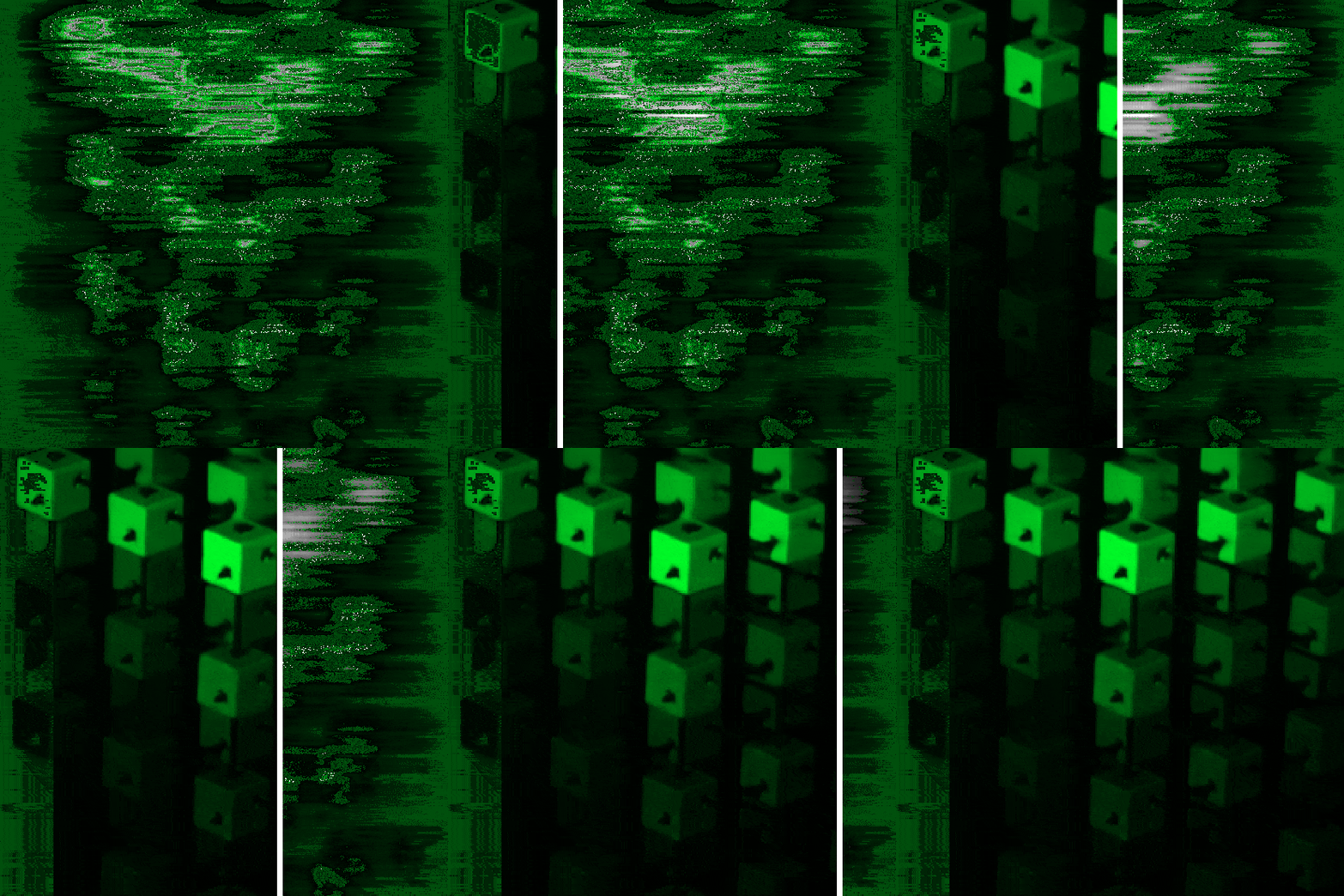
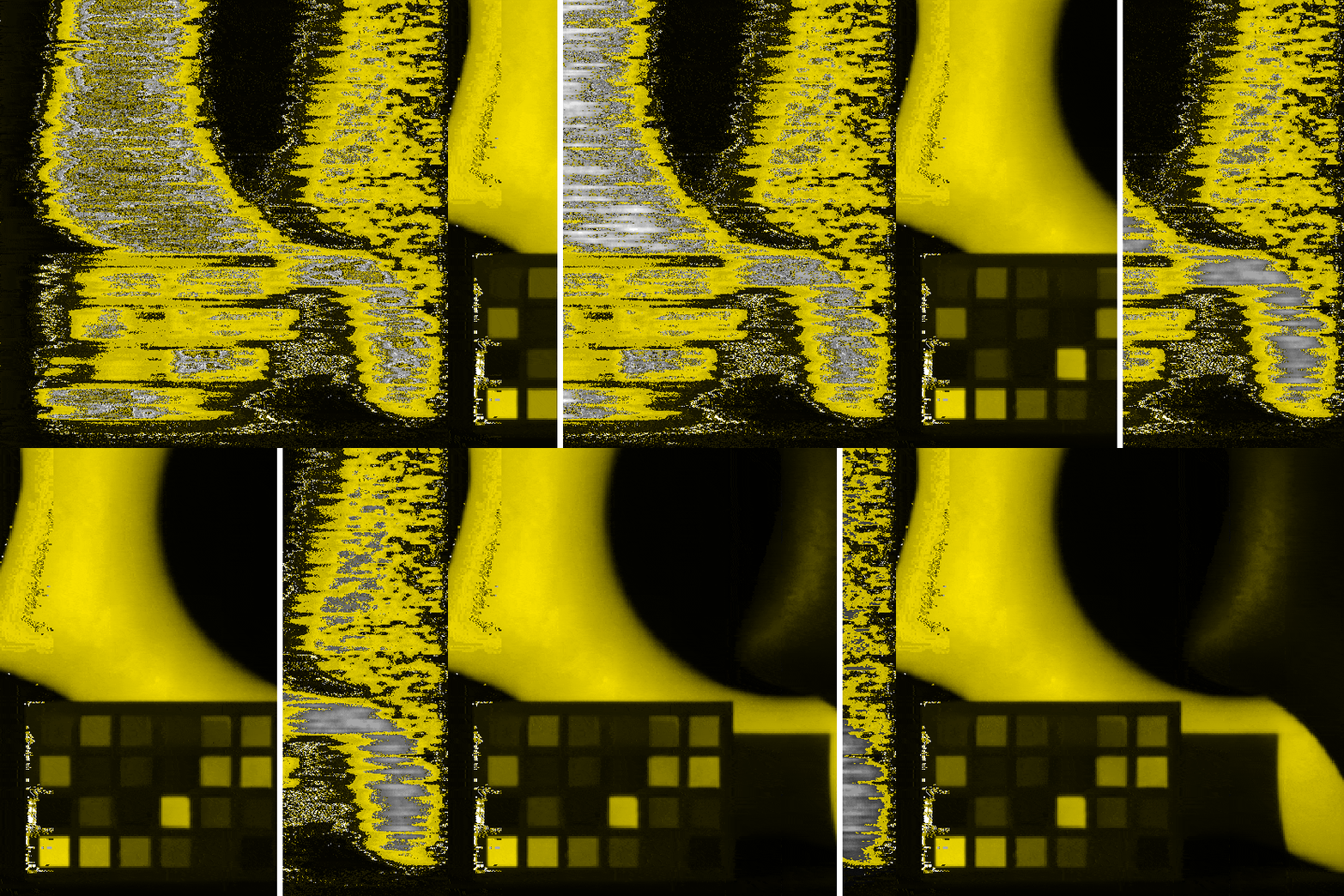
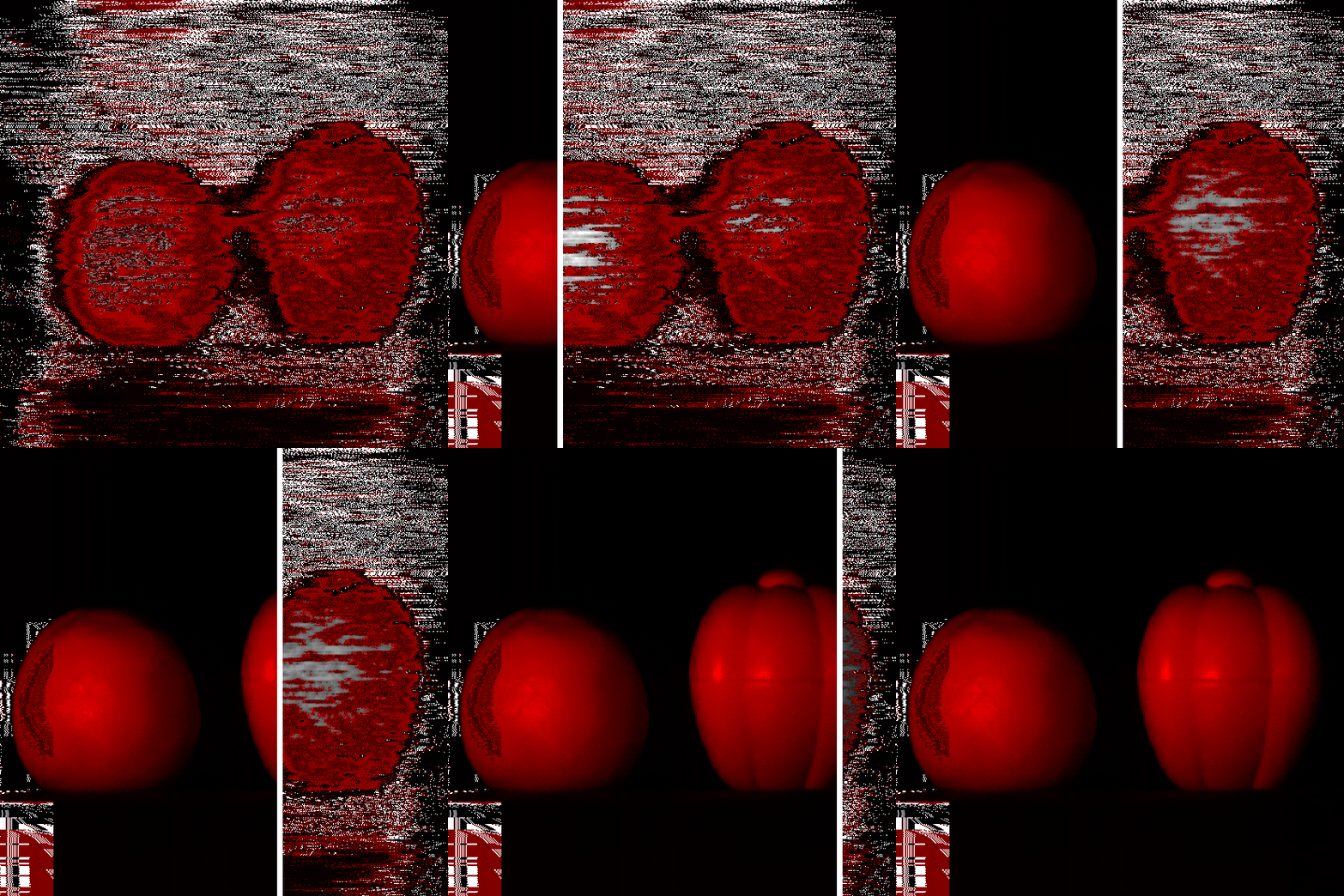
The toolbox reconstructs hyperspectral image cubes from coded snapshot measurements using the corresponding sensing mask and measurement model. The simulation implementation reconstructs 28 spectral bands. This task differs from reconstructing spectra directly from ordinary RGB photographs.
MST — Mask-guided Spectral-wise Transformer for Efficient Hyperspectral Image Reconstruction (CVPR 2022) models dependencies across spectral channels and incorporates sensing-mask information to guide reconstruction.
MST authors: Yuanhao Cai, Jing Lin, Xiaowan Hu, Haoqian Wang, Xin Yuan, Yulun Zhang, Radu Timofte, and Luc Van Gool.


The awards concern the associated challenge solutions. This repository hosts the spectral compressive imaging model zoo; the NTIRE 2024 low-light enhancement weights are available in CaiYuanhao/Retinexformer.
| Scene 2 | Scene 3 | Scene 4 | Scene 7 |
|---|---|---|---|
 |
 |
 |
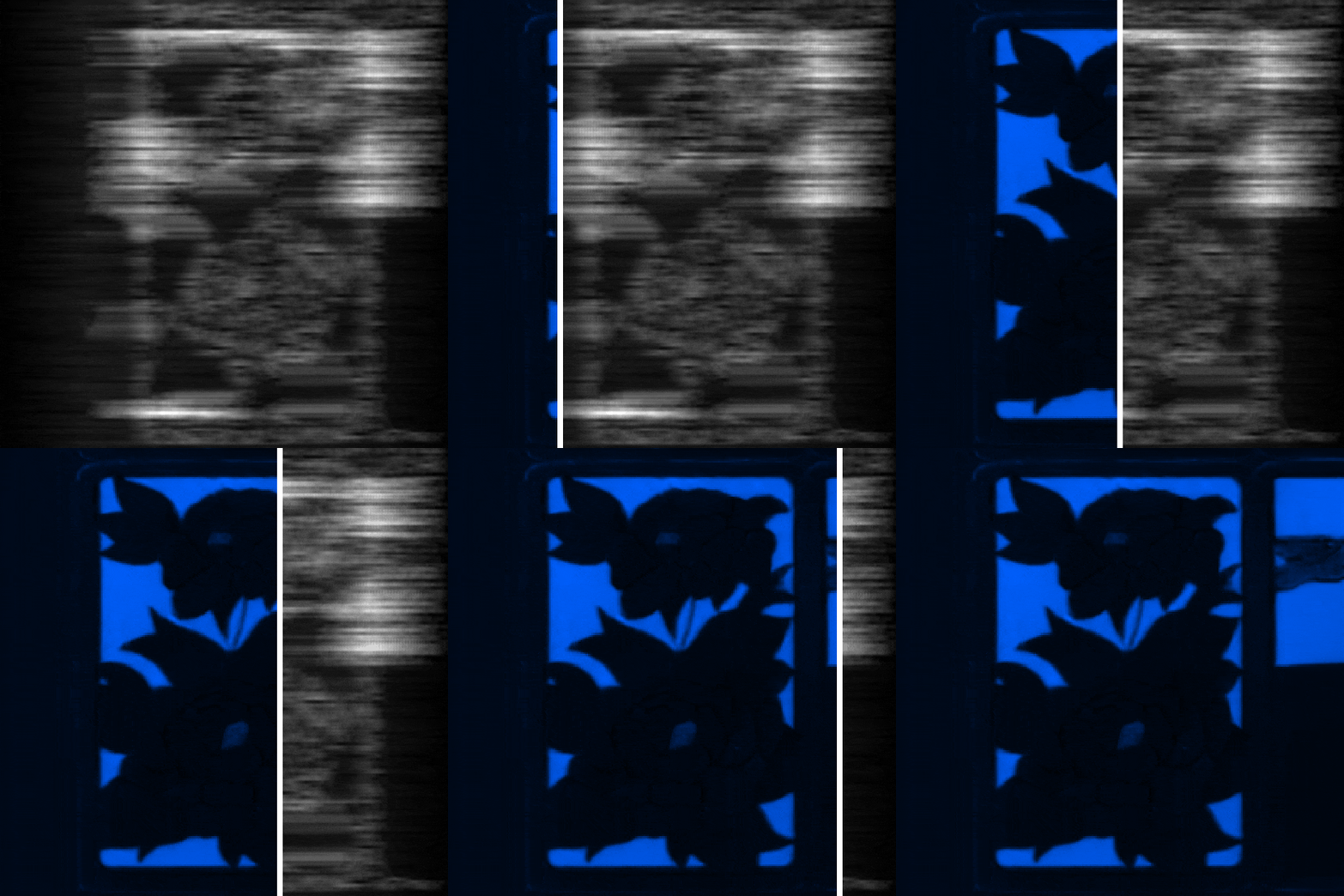 |
See the GitHub repository for reconstruction comparisons and visualization tools.
The Hugging Face repository contains 20 checkpoints across 12 model families:
| Model family | Checkpoint paths |
|---|---|
| ADMM-Net | admm_net/admm_net.pth |
| BIRNAT | birnat/birnat.pth |
| BiSRNet | bisrnet/bisrnet.pth |
| CST | cst/cst_l.pthcst/cst_l_plus.pthcst/cst_m.pthcst/cst_s.pth |
| DAUHST | dauhst/dauhst_2stg.pthdauhst/dauhst_3stg.pthdauhst/dauhst_5stg.pthdauhst/dauhst_9stg.pth |
| DGSMP | dgsmp/dgsmp.pth |
| GAP-Net | gap_net/gap_net.pth |
| HDNet | hdnet/hdnet.pth |
| λ-Net | lambda_net/lambda_net.pth |
| MST | mst/mst_l.pthmst/mst_m.pthmst/mst_s.pth |
| MST++ | mst_plus_plus/mst_plus_plus.pth |
| TSA-Net | tsa_net/tsa_net.pth |
Each checkpoint requires its matching architecture and method setting in the toolbox.
git clone https://github.com/caiyuanhao1998/MST.git
cd MST
pip install -r requirements.txt
The official testing implementation requires an NVIDIA GPU with CUDA and a compatible PyTorch installation. See the environment instructions.
Run from the MST repository root to download the weights into the simulation model zoo while preserving the expected directory structure:
pip install -U huggingface_hub
hf download CaiYuanhao/MST --include "*.pth" --local-dir simulation/test_code/model_zoo
To download only MST-S:
hf download CaiYuanhao/MST mst/mst_s.pth --local-dir simulation/test_code/model_zoo
For example, the MST-S checkpoint will be saved as simulation/test_code/model_zoo/mst/mst_s.pth.
Follow the project's dataset preparation instructions to place the hyperspectral test scenes and sensing mask under datasets/TSA_simu_data/:
datasets/
└── TSA_simu_data/
    ├── mask.mat
    └── Truth/
        ├── scene01.mat
        ├── scene02.mat
        └── ...
From the MST repository root:
cd simulation/test_code

# MST-S
python test.py --template mst_s --method mst_s \
  --pretrained_model_path ./model_zoo/mst/mst_s.pth \
  --outf ./exp/mst_s/

# MST++
python test.py --template mst_plus_plus --method mst_plus_plus \
  --pretrained_model_path ./model_zoo/mst_plus_plus/mst_plus_plus.pth \
  --outf ./exp/mst_plus_plus/

# DAUHST-9stg
python test.py --template dauhst_9stg --method dauhst_9stg \
  --pretrained_model_path ./model_zoo/dauhst/dauhst_9stg.pth \
  --outf ./exp/dauhst_9stg/
Reconstructed hyperspectral images are saved as Test_result.mat under the corresponding output directory. See the official documentation for other methods, real-measurement experiments, MATLAB quality metrics, and visualization scripts.
Please cite the paper corresponding to the method you use:
@inproceedings{mst,
  title={Mask-guided Spectral-wise Transformer for Efficient Hyperspectral Image Reconstruction},
  author={Yuanhao Cai and Jing Lin and Xiaowan Hu and Haoqian Wang and Xin Yuan and Yulun Zhang and Radu Timofte and Luc Van Gool},
  booktitle={CVPR},
  year={2022}
}

@inproceedings{cst,
  title={Coarse-to-Fine Sparse Transformer for Hyperspectral Image Reconstruction},
  author={Yuanhao Cai and Jing Lin and Xiaowan Hu and Haoqian Wang and Xin Yuan and Yulun Zhang and Radu Timofte and Luc Van Gool},
  booktitle={ECCV},
  year={2022}
}

@inproceedings{dauhst,
  title={Degradation-Aware Unfolding Half-Shuffle Transformer for Spectral Compressive Imaging},
  author={Yuanhao Cai and Jing Lin and Haoqian Wang and Xin Yuan and Henghui Ding and Yulun Zhang and Radu Timofte and Luc Van Gool},
  booktitle={NeurIPS},
  year={2022}
}

@inproceedings{bisci,
  title={Binarized Spectral Compressive Imaging},
  author={Yuanhao Cai and Yuxin Zheng and Jing Lin and Xin Yuan and Yulun Zhang and Haoqian Wang},
  booktitle={NeurIPS},
  year={2023}
}

@inproceedings{mst_pp,
  title={MST++: Multi-stage Spectral-wise Transformer for Efficient Spectral Reconstruction},
  author={Yuanhao Cai and Jing Lin and Zudi Lin and Haoqian Wang and Yulun Zhang and Hanspeter Pfister and Radu Timofte and Luc Van Gool},
  booktitle={CVPRW},
  year={2022}
}

@inproceedings{hdnet,
  title={HDNet: High-resolution Dual-domain Learning for Spectral Compressive Imaging},
  author={Xiaowan Hu and Yuanhao Cai and Jing Lin and  Haoqian Wang and Xin Yuan and Yulun Zhang and Radu Timofte and Luc Van Gool},
  booktitle={CVPR},
  year={2022}
}