Diffusers documentation
IP-Adapter
IP-Adapter
IP-Adapter steers a pretrained diffusion model with a reference image while you keep a text prompt. It freezes the base model and adds a small set of image cross-attention layers, which makes it practical for matching a subject or style from a photo without fine-tuning.
text prompt                         reference image
    |                                     |
 text encoder                        image encoder
    |                                     |
    v                                     v
 text cross-attn  (frozen)          IP-Adapter cross-attn
    \                                     /
     \                                   /
      +-------->  denoiser  <-----------+
                  (frozen base)
IP-Adapter checkpoints are typically ~100MB because they store adapter weights, not a full model. Load a base pipeline first, then load the adapter with load_ip_adapter().
IP-Adapters are available to many models such as Flux and Stable Diffusion 3, and more. The examples in this guide use Stable Diffusion and Stable Diffusion XL.
Use set_ip_adapter_scale() to control how strongly the IP-Adapter steers generation. 1.0 applies the adapter at full strength; 0.5 usually balances text and image prompts.
The examples below show IP-Adapter on common tasks.
import torch
from diffusers import AutoPipelineForText2Image
from diffusers.utils import load_image

pipeline = AutoPipelineForText2Image.from_pretrained(
  "stabilityai/stable-diffusion-xl-base-1.0",
  dtype=torch.float16
).to("cuda")  # or "mps", "xpu", "cpu"
pipeline.load_ip_adapter(
  "h94/IP-Adapter",
  subfolder="sdxl_models",
  weight_name="ip-adapter_sdxl.bin"
)
pipeline.set_ip_adapter_scale(0.8)
Pass an image to ip_adapter_image along with a text prompt to generate an image.
image = load_image("https://huggingface.co/datasets/huggingface/documentation-images/resolve/main/diffusers/ip_adapter_diner.png")
pipeline(
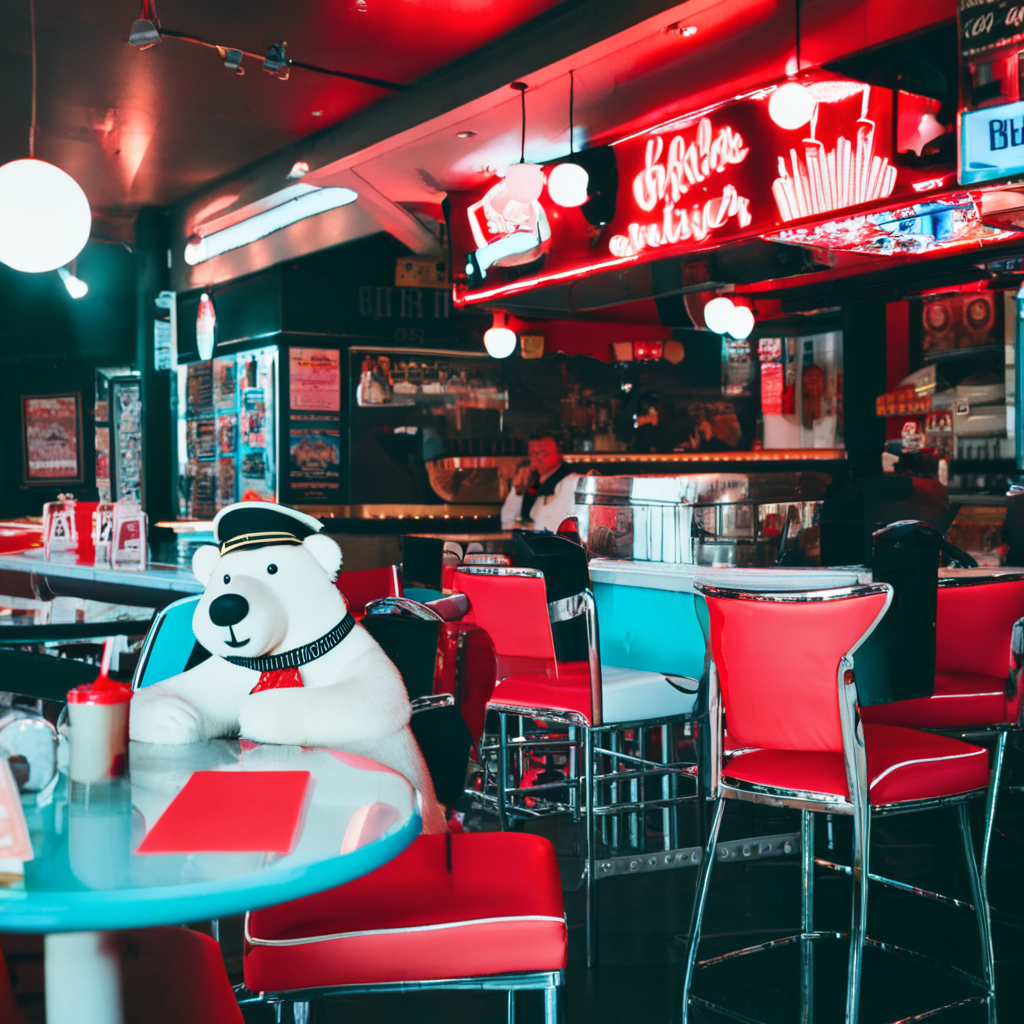
    prompt="a polar bear sitting in a chair drinking a milkshake",
    ip_adapter_image=image,
    negative_prompt="deformed, ugly, wrong proportion, low res, bad anatomy, worst quality, low quality",
).images[0]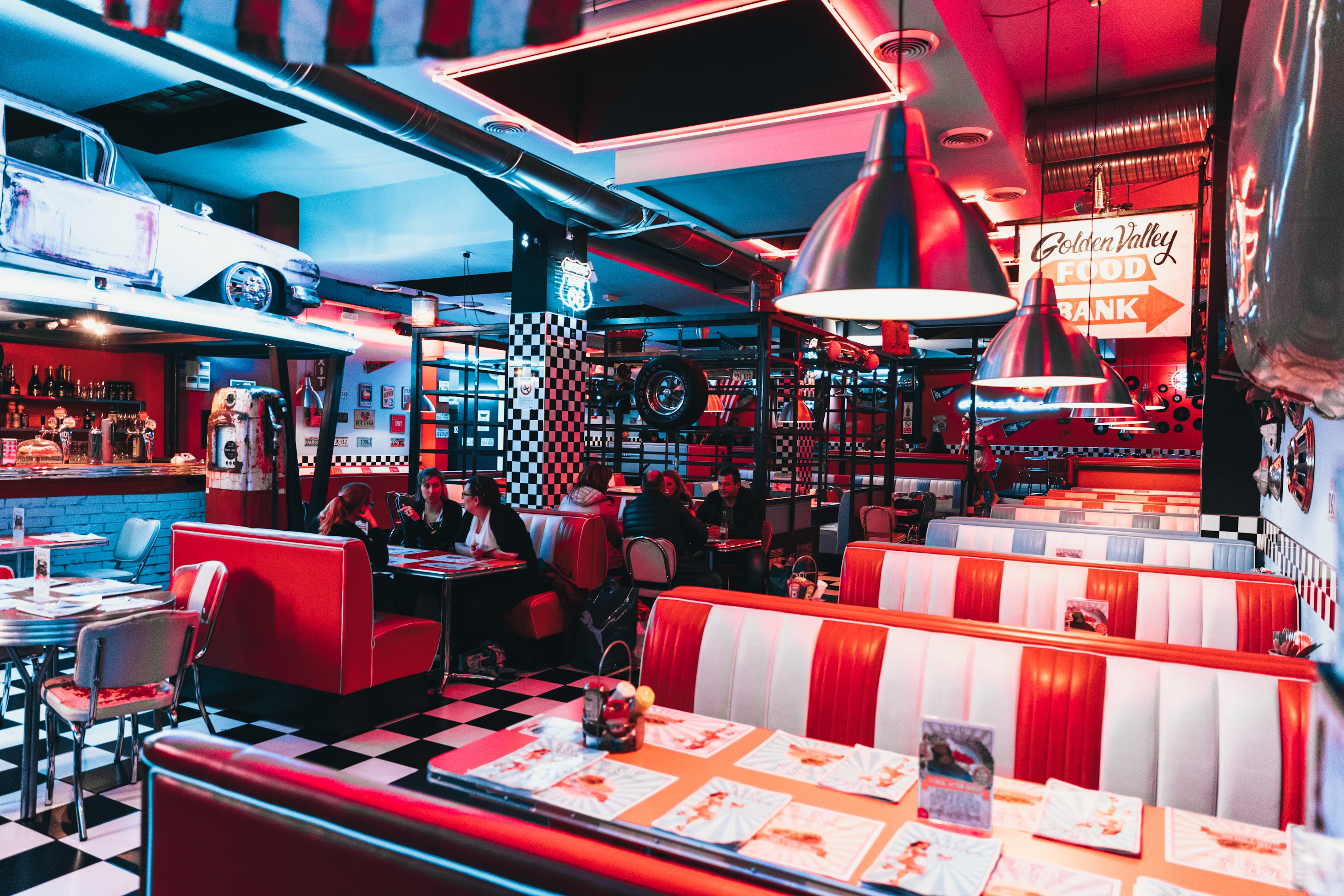
Checkpoint variants
Load Plus when detail from the reference image matters most. Load FaceID when you need InsightFace identity embeddings rather than CLIP image embeddings.
import torch
from transformers import CLIPVisionModelWithProjection
from diffusers import AutoPipelineForText2Image

image_encoder = CLIPVisionModelWithProjection.from_pretrained(
    "h94/IP-Adapter",
    subfolder="models/image_encoder",
    dtype=torch.float16
)

pipeline = AutoPipelineForText2Image.from_pretrained(
    "stabilityai/stable-diffusion-xl-base-1.0",
    image_encoder=image_encoder,
    dtype=torch.float16
).to("cuda")  # or "mps", "xpu", "cpu"

pipeline.load_ip_adapter(
  "h94/IP-Adapter",
  subfolder="sdxl_models",
  weight_name="ip-adapter-plus_sdxl_vit-h.safetensors"
)
Image embeddings
prepare_ip_adapter_image_embeds() encodes IP-Adapter images into embeddings you can save and reuse. Precompute them once instead of loading and encoding the same images every time you run the pipeline.
import torch
from diffusers import AutoPipelineForText2Image
from diffusers.utils import load_image

pipeline = AutoPipelineForText2Image.from_pretrained(
  "stabilityai/stable-diffusion-xl-base-1.0",
  dtype=torch.float16
).to("cuda")  # or "mps", "xpu", "cpu"
pipeline.load_ip_adapter(
  "h94/IP-Adapter",
  subfolder="sdxl_models",
  weight_name="ip-adapter_sdxl.bin"
)

image = load_image("https://huggingface.co/datasets/huggingface/documentation-images/resolve/main/diffusers/ip_adapter_bear_1.png")
image_embeds = pipeline.prepare_ip_adapter_image_embeds(
    ip_adapter_image=image,
    ip_adapter_image_embeds=None,
    device="cuda",
    num_images_per_prompt=1,
    do_classifier_free_guidance=True,
)

torch.save(image_embeds, "image_embeds.ipadpt")
Reload the image embeddings by passing them to the ip_adapter_image_embeds parameter. Set image_encoder_folder to None because you don’t need the image encoder anymore to generate the image embeddings.
You can also load image embeddings from other sources such as ComfyUI.
pipeline = AutoPipelineForText2Image.from_pretrained(
  "stabilityai/stable-diffusion-xl-base-1.0",
  dtype=torch.float16
).to("cuda")  # or "mps", "xpu", "cpu"
pipeline.load_ip_adapter(
  "h94/IP-Adapter",
  subfolder="sdxl_models",
  image_encoder_folder=None,
  weight_name="ip-adapter_sdxl.bin"
)
pipeline.set_ip_adapter_scale(0.8)
image_embeds = torch.load("image_embeds.ipadpt")
pipeline(
    prompt="a polar bear sitting in a chair drinking a milkshake",
    ip_adapter_image_embeds=image_embeds,
    negative_prompt="deformed, ugly, wrong proportion, low res, bad anatomy, worst quality, low quality",
    num_inference_steps=100,
).images[0]
Masking
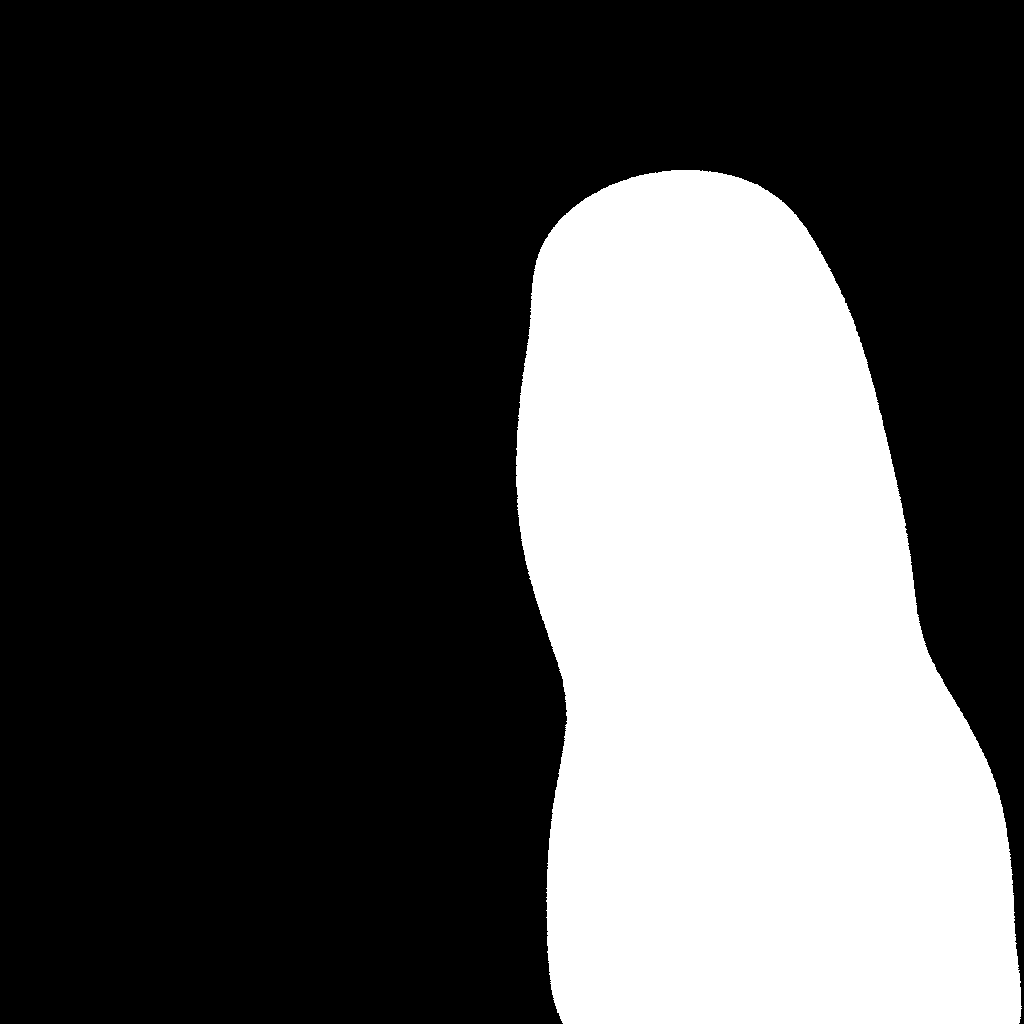
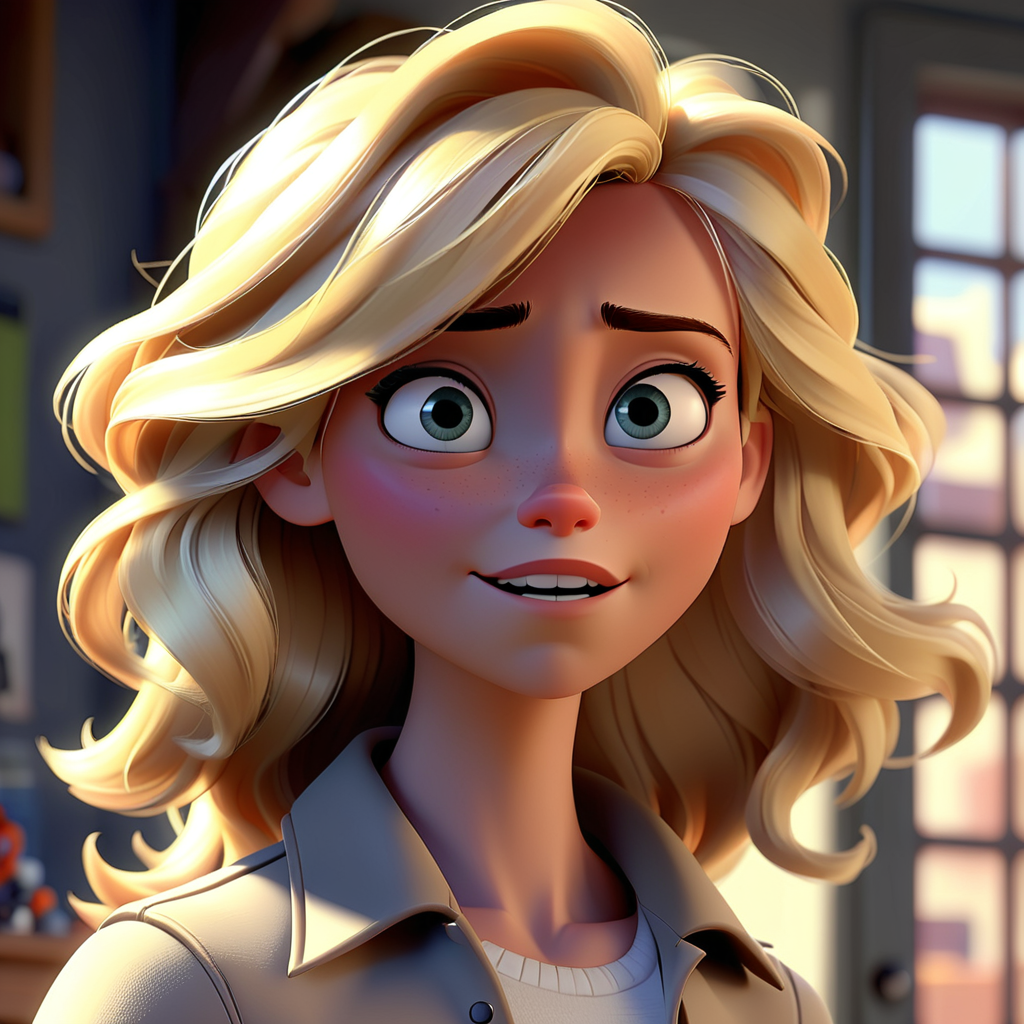
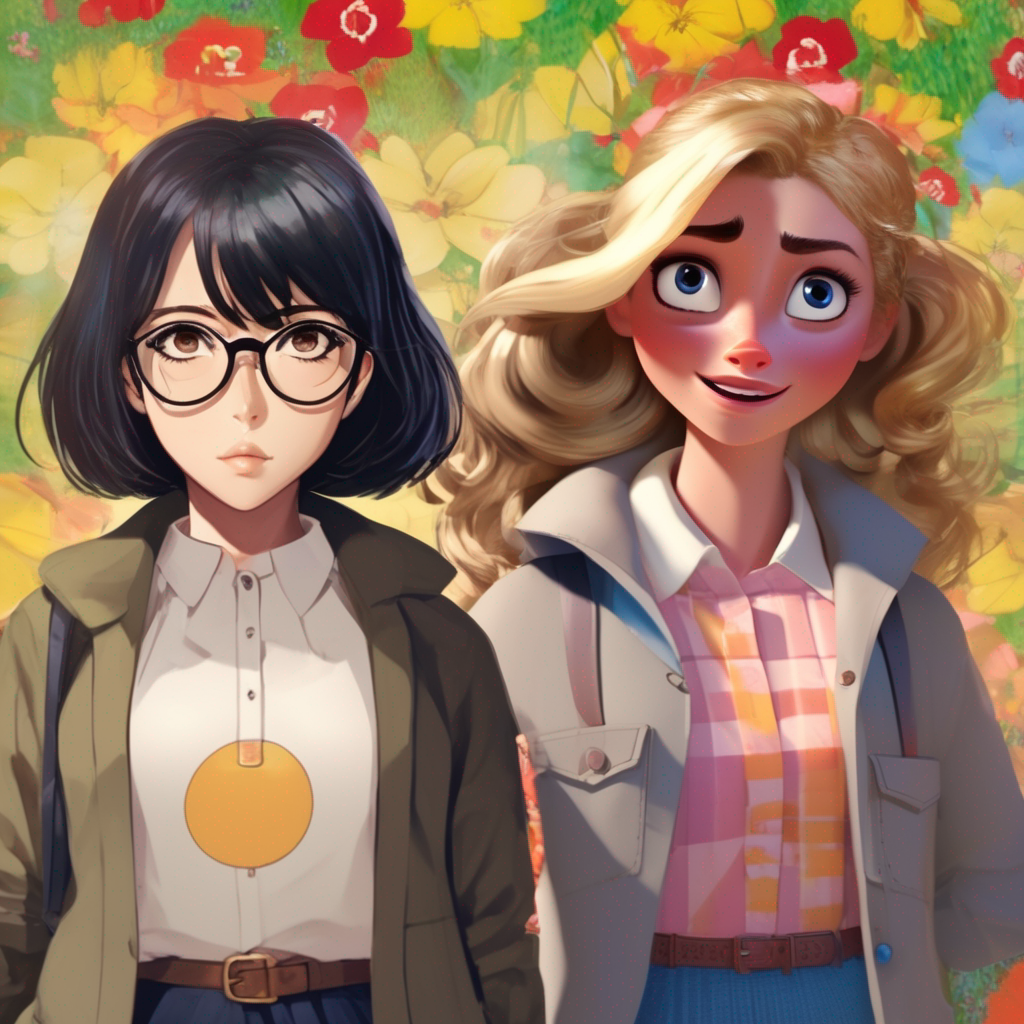
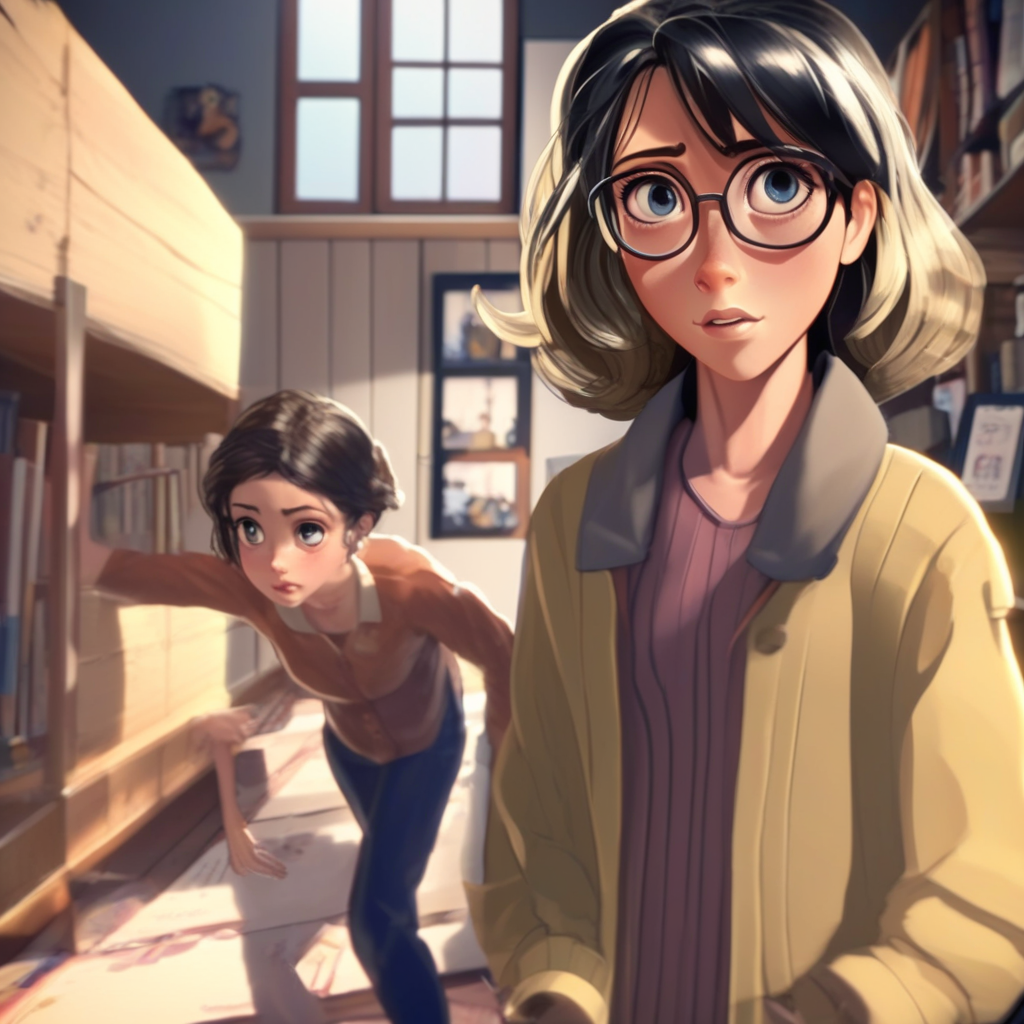
Binary masking enables assigning an IP-Adapter image to a specific area of the output image, making it useful for composing multiple IP-Adapter images. Each IP-Adapter image requires a binary mask.
Load the IPAdapterMaskProcessor to preprocess the image masks. For the best results, provide the output height and width to ensure masks with different aspect ratios are appropriately sized. If the input masks already match the aspect ratio of the generated image, you don’t need to set the height and width.
import torch
from diffusers import AutoPipelineForText2Image
from diffusers.image_processor import IPAdapterMaskProcessor
from diffusers.utils import load_image

pipeline = AutoPipelineForText2Image.from_pretrained(
  "stabilityai/stable-diffusion-xl-base-1.0",
  dtype=torch.float16
).to("cuda")  # or "mps", "xpu", "cpu"

mask1 = load_image("https://huggingface.co/datasets/huggingface/documentation-images/resolve/main/diffusers/ip_mask_mask1.png")
mask2 = load_image("https://huggingface.co/datasets/huggingface/documentation-images/resolve/main/diffusers/ip_mask_mask2.png")

processor = IPAdapterMaskProcessor()
masks = processor.preprocess([mask1, mask2], height=1024, width=1024)
Provide both the IP-Adapter images and their scales as a list. Pass the preprocessed masks to cross_attention_kwargs in the pipeline.
face_image1 = load_image("https://huggingface.co/datasets/huggingface/documentation-images/resolve/main/diffusers/ip_mask_girl1.png")
face_image2 = load_image("https://huggingface.co/datasets/huggingface/documentation-images/resolve/main/diffusers/ip_mask_girl2.png")

pipeline.load_ip_adapter(
  "h94/IP-Adapter",
  subfolder="sdxl_models",
  weight_name=["ip-adapter-plus-face_sdxl_vit-h.safetensors"]
)
pipeline.set_ip_adapter_scale([[0.7, 0.7]])

ip_images = [[face_image1, face_image2]]
masks = [masks.reshape(1, masks.shape[0], masks.shape[2], masks.shape[3])]

pipeline(
  prompt="2 girls",
  ip_adapter_image=ip_images,
  negative_prompt="monochrome, lowres, bad anatomy, worst quality, low quality",
  cross_attention_kwargs={"ip_adapter_masks": masks}
).images[0]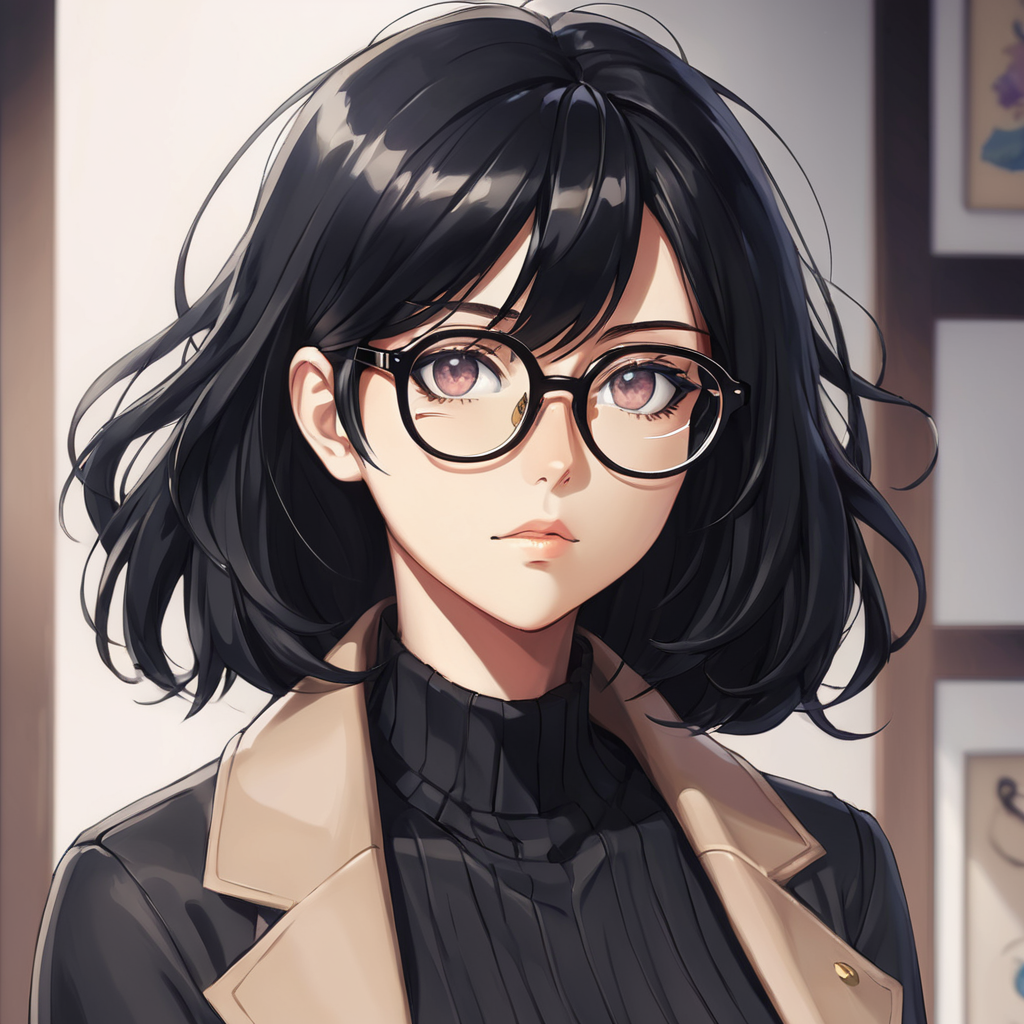
Recipes
Combine IP-Adapter with other adapters or pipelines, like multiple adapters, ControlNet, InstantStyle, or few-step LCM, when one reference image isn’t enough.
Multiple IP-Adapters
Combine multiple IP-Adapters to generate images in more diverse styles. For example, you can use IP-Adapter Face to generate consistent faces and characters and IP-Adapter Plus to generate those faces in specific styles.
Load an image encoder with CLIPVisionModelWithProjection.
import torch
from diffusers import AutoPipelineForText2Image, DDIMScheduler
from transformers import CLIPVisionModelWithProjection
from diffusers.utils import load_image

image_encoder = CLIPVisionModelWithProjection.from_pretrained(
    "h94/IP-Adapter",
    subfolder="models/image_encoder",
    dtype=torch.float16,
)
Load a base model, scheduler and the following IP-Adapters.
- ip-adapter-plus_sdxl_vit-h uses patch embeddings and a ViT-H image encoder
- ip-adapter-plus-face_sdxl_vit-h uses patch embeddings and a ViT-H image encoder but it is conditioned on images of cropped faces
pipeline = AutoPipelineForText2Image.from_pretrained(
    "stabilityai/stable-diffusion-xl-base-1.0",
    dtype=torch.float16,
    image_encoder=image_encoder,
)
pipeline.scheduler = DDIMScheduler.from_config(pipeline.scheduler.config)
pipeline.load_ip_adapter(
  "h94/IP-Adapter",
  subfolder="sdxl_models",
  weight_name=["ip-adapter-plus_sdxl_vit-h.safetensors", "ip-adapter-plus-face_sdxl_vit-h.safetensors"]
)
pipeline.set_ip_adapter_scale([0.7, 0.3])
# enable_model_cpu_offload to reduce memory usage
pipeline.enable_model_cpu_offload()
Load an image and a folder containing images of a certain style to apply.
face_image = load_image("https://huggingface.co/datasets/YiYiXu/testing-images/resolve/main/women_input.png")
style_folder = "https://huggingface.co/datasets/YiYiXu/testing-images/resolve/main/style_ziggy"
style_images = [load_image(f"{style_folder}/img{i}.png") for i in range(10)]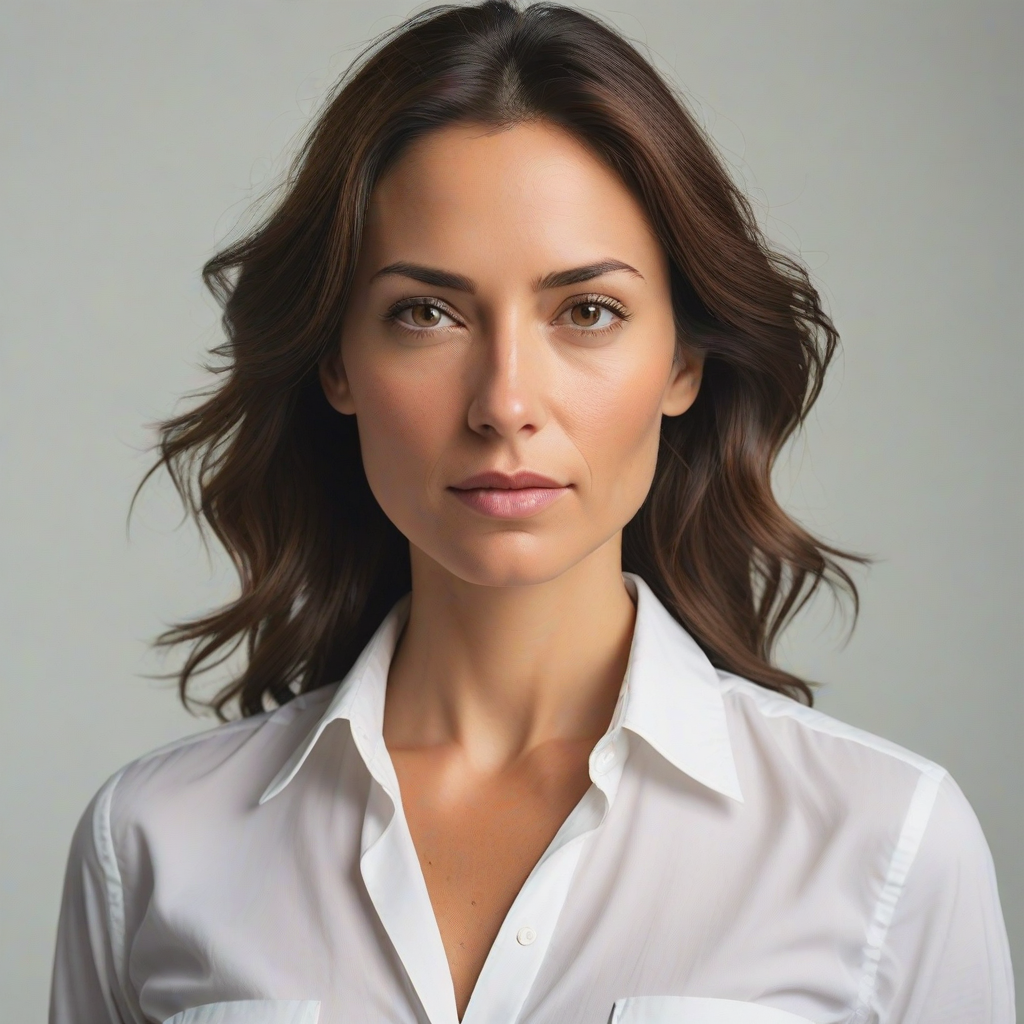
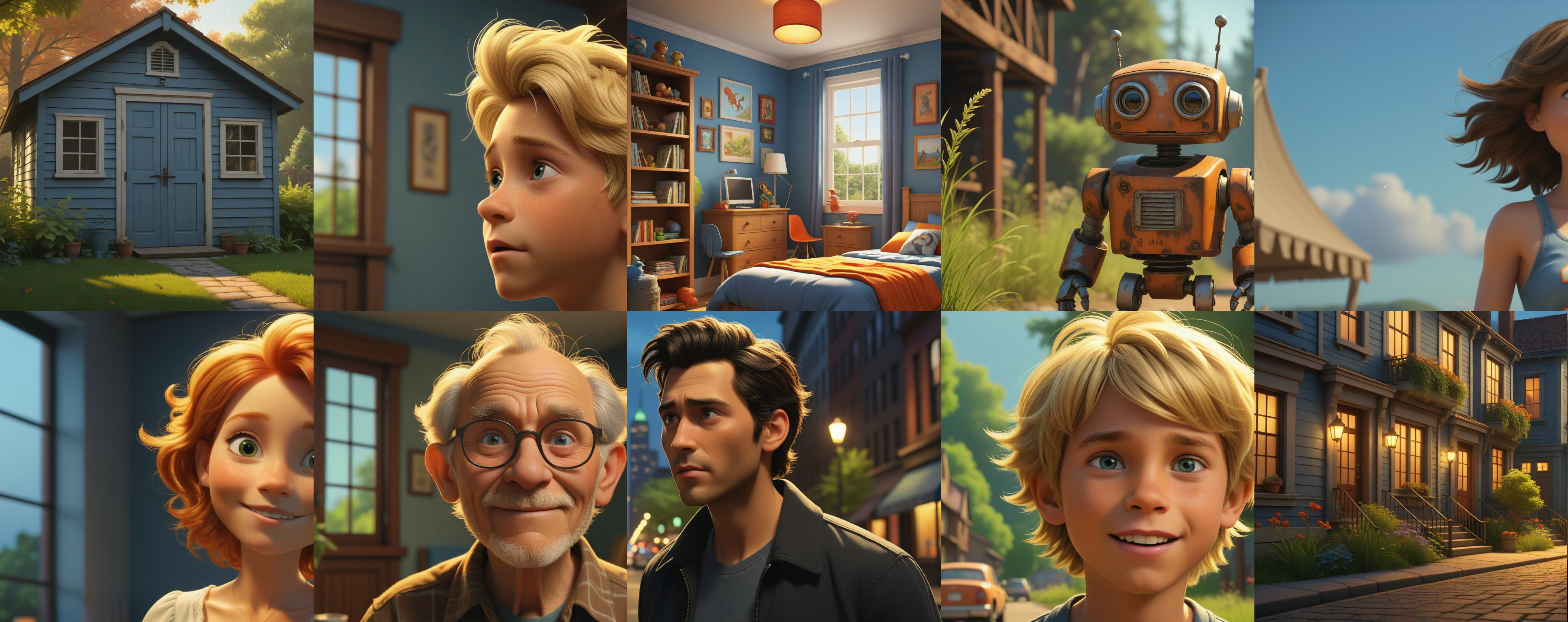
Pass style and face images as a list to ip_adapter_image.
generator = torch.Generator(device="cpu").manual_seed(0)

pipeline(
    prompt="wonderwoman",
    ip_adapter_image=[style_images, face_image],
    negative_prompt="monochrome, lowres, bad anatomy, worst quality, low quality",
).images[0]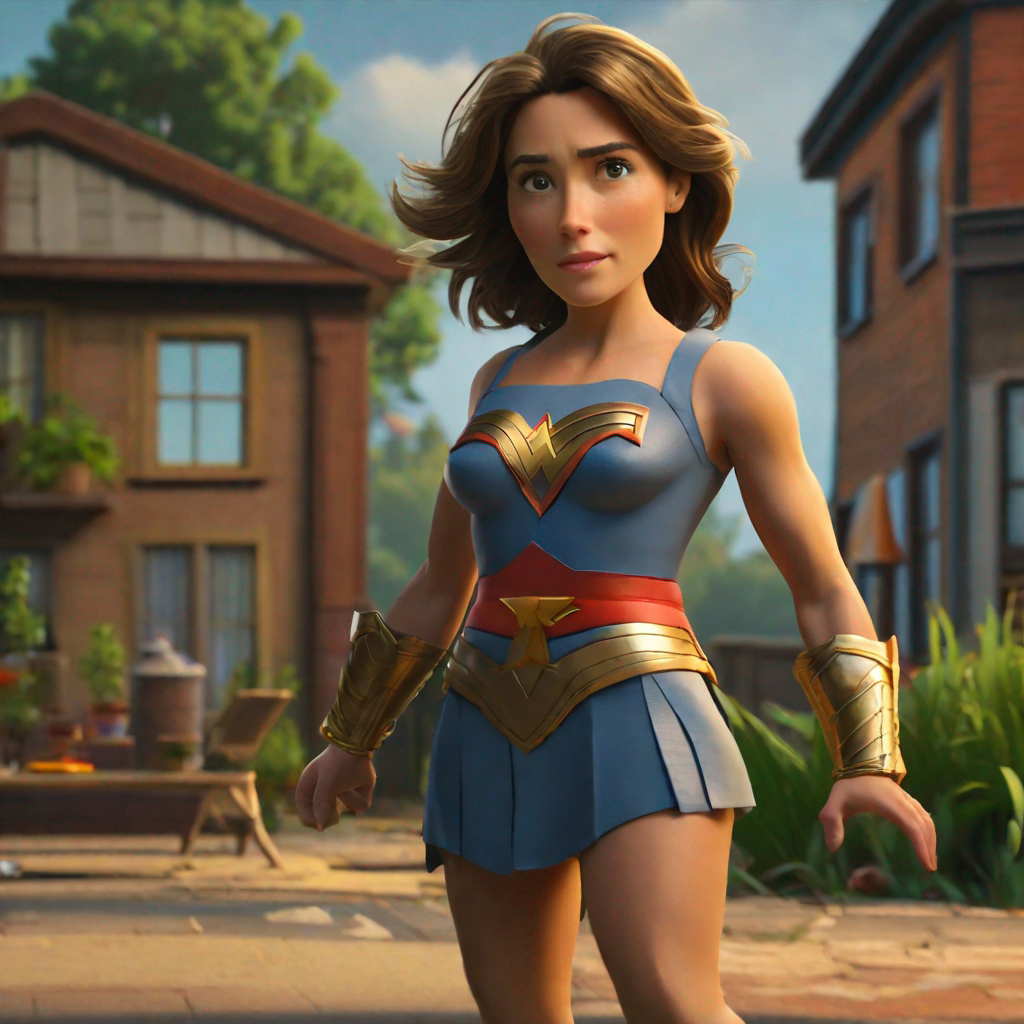
Structural control
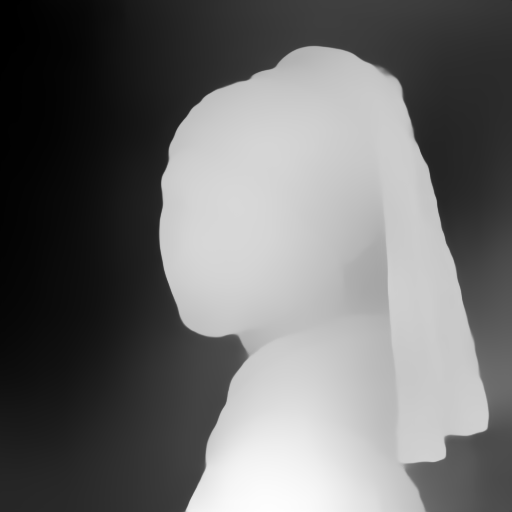
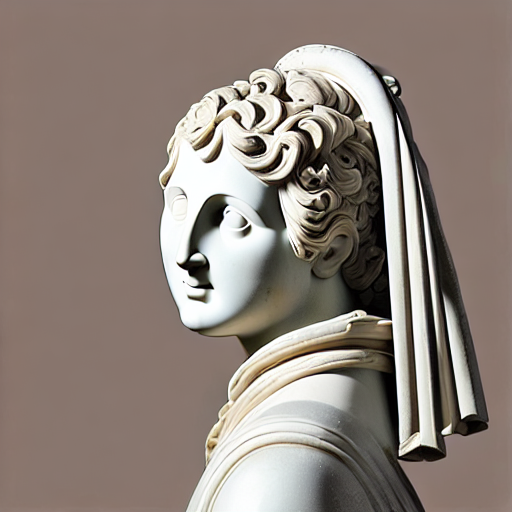
For structural control, combine IP-Adapter with ControlNet conditioned on depth maps, edge maps, pose estimations, and more.
The example below loads a ControlNetModel checkpoint conditioned on depth maps and combines it with an IP-Adapter.
import torch
from diffusers.utils import load_image
from diffusers import StableDiffusionControlNetPipeline, ControlNetModel

controlnet = ControlNetModel.from_pretrained(
  "lllyasviel/control_v11f1p_sd15_depth",
  dtype=torch.float16
)

pipeline = StableDiffusionControlNetPipeline.from_pretrained(
    "stable-diffusion-v1-5/stable-diffusion-v1-5",
    controlnet=controlnet,
    dtype=torch.float16
).to("cuda")  # or "mps", "xpu", "cpu"
pipeline.load_ip_adapter(
  "h94/IP-Adapter",
  subfolder="models",
  weight_name="ip-adapter_sd15.bin"
)
Pass the depth map and IP-Adapter image to the pipeline.
depth_map = load_image("https://huggingface.co/datasets/YiYiXu/testing-images/resolve/main/depth.png")
ip_adapter_image = load_image("https://huggingface.co/datasets/YiYiXu/testing-images/resolve/main/statue.png")
pipeline(
  prompt="best quality, high quality",
  image=depth_map,
  ip_adapter_image=ip_adapter_image,
  negative_prompt="monochrome, lowres, bad anatomy, worst quality, low quality",
).images[0]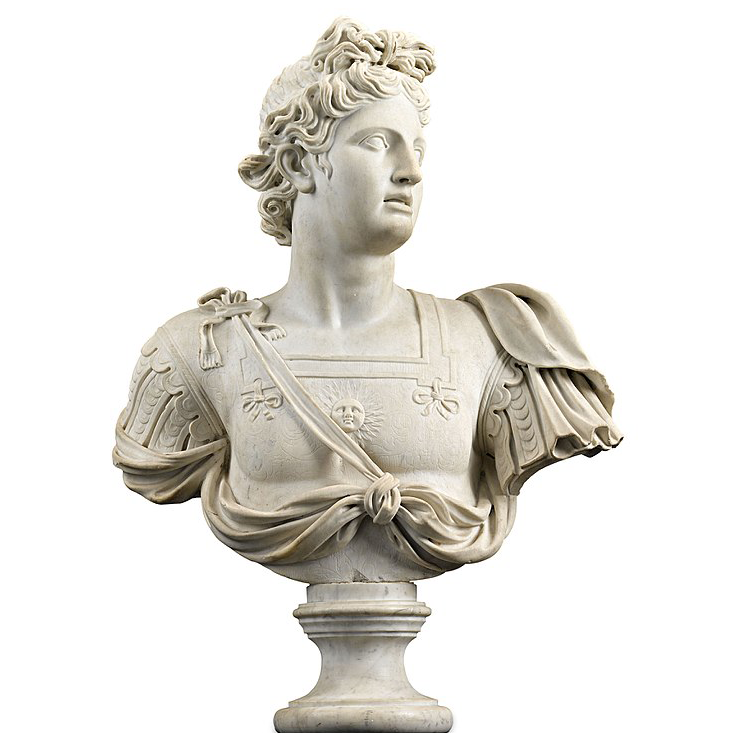
Style and layout control
For style and layout control, combine IP-Adapter with InstantStyle. InstantStyle separates style (color, texture, overall feel) from content and applies style only in style-specific blocks so content areas stay intact. That gives stronger style consistency and clearer layout control.
Activate the IP-Adapter only in selected layers with set_ip_adapter_scale(). The example below turns it on in the model’s down block_2 (layout) and up block_0 (style).
import torch
from diffusers import AutoPipelineForText2Image
from diffusers.utils import load_image

pipeline = AutoPipelineForText2Image.from_pretrained(
  "stabilityai/stable-diffusion-xl-base-1.0",
  dtype=torch.float16
).to("cuda")  # or "mps", "xpu", "cpu"
pipeline.load_ip_adapter(
  "h94/IP-Adapter",
  subfolder="sdxl_models",
  weight_name="ip-adapter_sdxl.bin"
)

scale = {
    "down": {"block_2": [0.0, 1.0]},
    "up": {"block_0": [0.0, 1.0, 0.0]},
}
pipeline.set_ip_adapter_scale(scale)
Load the style image and generate an image.
style_image = load_image("https://huggingface.co/datasets/huggingface/documentation-images/resolve/0052a70beed5bf71b92610a43a52df6d286cd5f3/diffusers/rabbit.jpg")

pipeline(
    prompt="a cat, masterpiece, best quality, high quality",
    ip_adapter_image=style_image,
    negative_prompt="text, watermark, lowres, low quality, worst quality, deformed, glitch, low contrast, noisy, saturation, blurry",
    guidance_scale=5,
).images[0]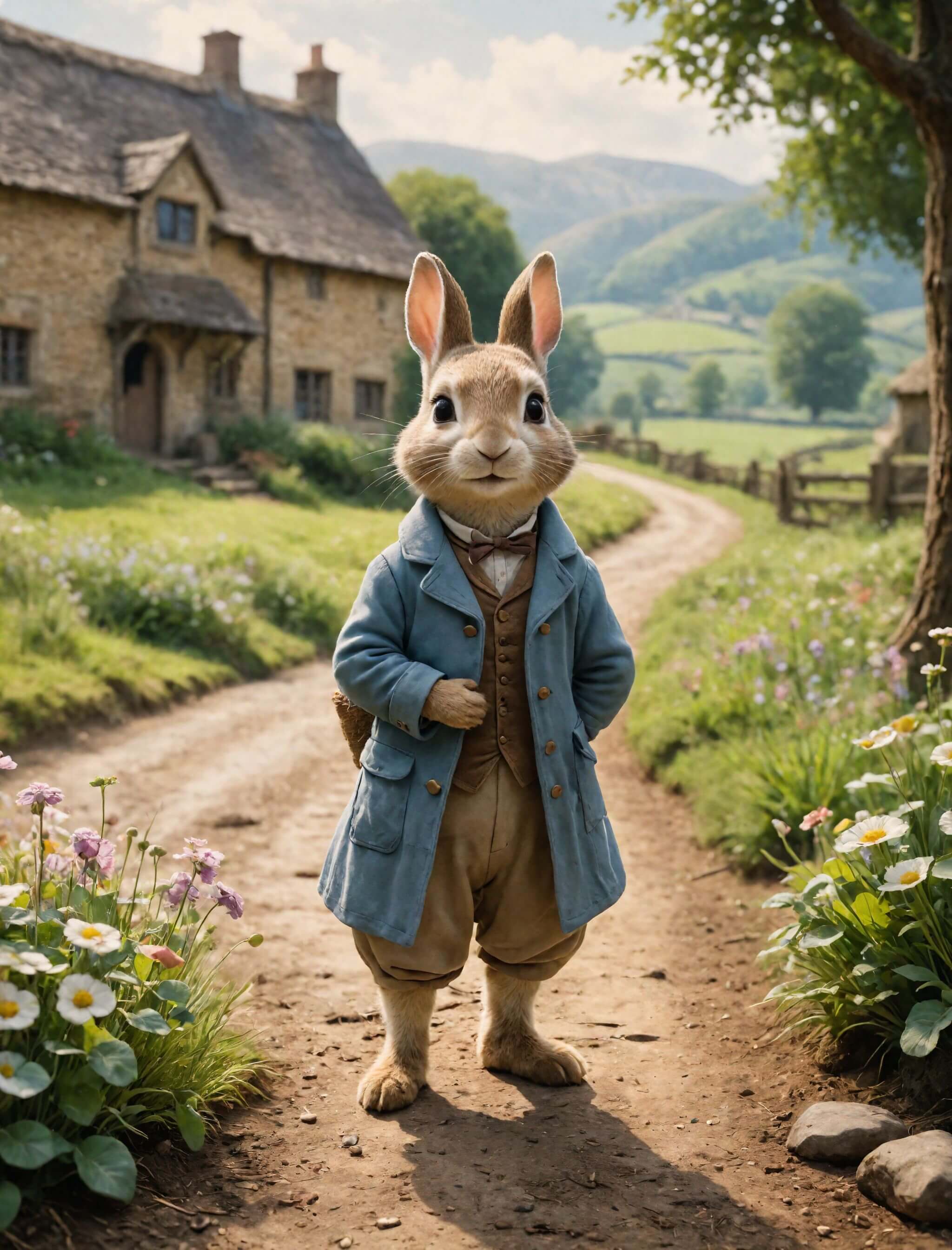

The figures below compare InstantStyle’s style-only activation (up block_0) with turning the IP-Adapter on in all layers. All-layers usually follows the image prompt more strongly and can reduce diversity. Prefer the style-only scale when you want InstantStyle’s layout-preserving behavior.
You don’t need to specify all the layers in the
scaledictionary. Layers not included are set to 0, which means the IP-Adapter is disabled.
scale = {
    "up": {"block_0": [0.0, 1.0, 0.0]},
}
pipeline.set_ip_adapter_scale(scale)

pipeline(
    prompt="a cat, masterpiece, best quality, high quality",
    ip_adapter_image=style_image,
    negative_prompt="text, watermark, lowres, low quality, worst quality, deformed, glitch, low contrast, noisy, saturation, blurry",
    guidance_scale=5,
).images[0]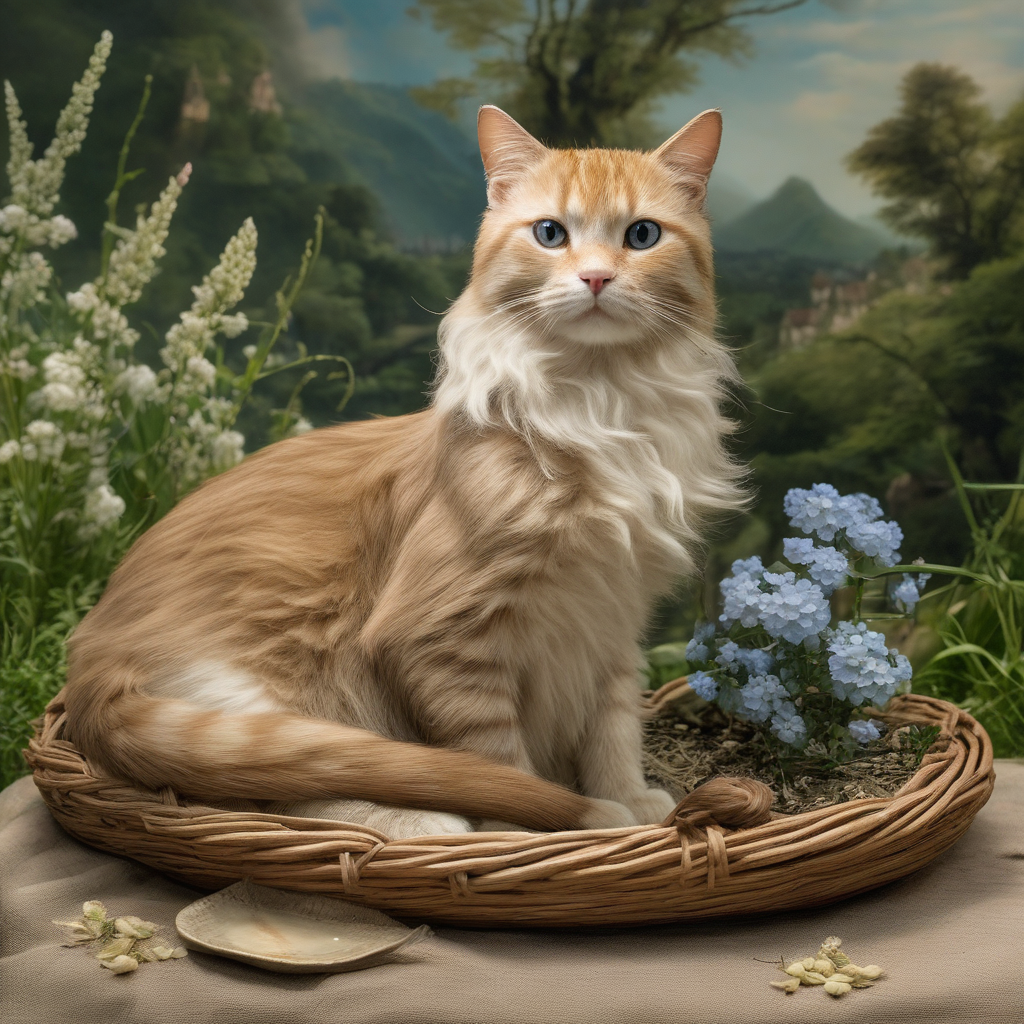

Instant generation
Combine IP-Adapter with an LCM LoRA for few-step generation.
import torch
from diffusers import DiffusionPipeline, LCMScheduler
from diffusers.utils import load_image

pipeline = DiffusionPipeline.from_pretrained(
  "sd-dreambooth-library/herge-style",
  dtype=torch.float16
)
pipeline.load_ip_adapter(
  "h94/IP-Adapter",
  subfolder="models",
  weight_name="ip-adapter_sd15.bin"
)
pipeline.load_lora_weights("latent-consistency/lcm-lora-sdv1-5")
pipeline.scheduler = LCMScheduler.from_config(pipeline.scheduler.config)
pipeline.enable_model_cpu_offload()

pipeline.set_ip_adapter_scale(0.4)
ip_adapter_image = load_image("https://user-images.githubusercontent.com/24734142/266492875-2d50d223-8475-44f0-a7c6-08b51cb53572.png")
pipeline(
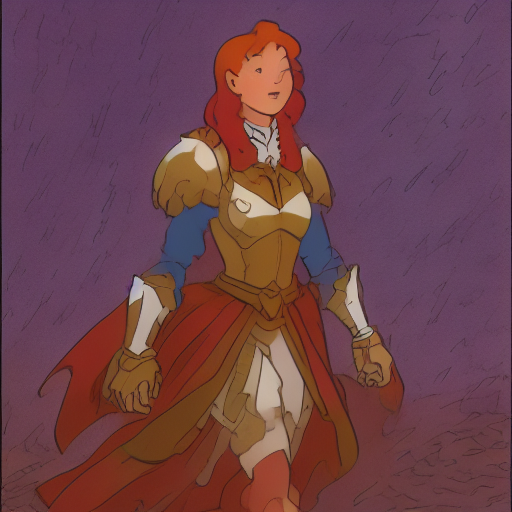
    prompt="herge_style woman in armor, best quality, high quality",
    ip_adapter_image=ip_adapter_image,
    num_inference_steps=4,
    guidance_scale=1,
).images[0]